The Community Empowerment for Progress Organization (CEPO) has warned that South Sudan’s planned elections are unlikely to be peaceful, credible, or non-violent unless political leaders first commit to an inclusive national dialogue that brings together all stakeholders to build consensus on the country’s political transition.
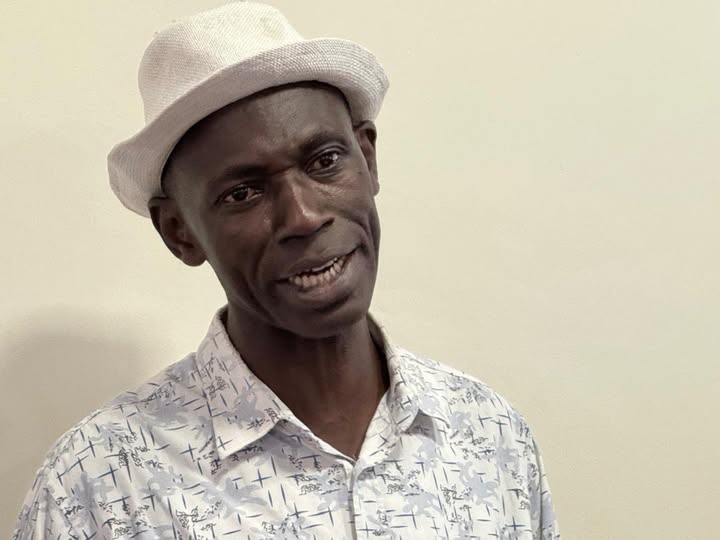
Speaking on Saturday, CEPO Executive Director Edmund Yakani expressed concern that the country’s political transition continues to be undermined by deep-seated historical grievances among the political elite, which he said have shaped political attitudes and continue to fuel mistrust and division.
“We are now fully convinced that the current political class administering public governance have serious issues to deal with,” Yakani said.
“Those historical grievances are shaping their political behaviors and attitudes towards each other, and they have shaped their approach towards transitioning South Sudan from violence to peace.”
Yakani said CEPO’s position is informed by the organization’s continued monitoring of the implementation of the 2018 Revitalized Peace Agreement, the Tumaini Peace Initiative, and regional mediation efforts, including recent calls by the African Union for an inclusive political process.
According to him, many political actors still perceive violence as a more effective means of resolving political disputes than dialogue, a trend he warned could jeopardize South Sudan’s democratic transition.
“Their historical grievances have built in them a culture to believe that violent approach for resolving political grievances is their best option, rather than a non-violent approach, which is an inclusive political dialogue that leaves no one behind,” he said.
Yakani also criticized what he described as repeated actions by both the incumbent government and opposition groups that continue to delay the country’s political transition and create uncertainty around the electoral roadmap.
He argued that without broad political consensus, elections alone cannot guarantee lasting peace.
“For the success of a peaceful and credible election, inclusive dialogue is needed to generate a national consensus for conducting a peaceful, credible, and non-violent election,” he stated.
“Otherwise, what we are seeing now is that our political class is actually building a society that believes violence is a viable option for resolving political grievances.”
The CEPO Executive Director stressed that inclusive dialogue should take place before the country enters the campaign period or opens polling stations, saying all political stakeholders must be allowed to participate without fear, exclusion, or preconditions.
“South Sudanese, before going to the polling stations or even before political campaigns, should have held an inclusive political dialogue that leaves no one behind a dialogue without preconditions and where everybody feels secure and safe,” Yakani said.
He further urged the incumbent government to take primary responsibility for steering the country toward a genuine and timely political transition by embracing recommendations contained in previous national dialogue initiatives and responding positively to the African Union’s calls for broader political engagement.
Yakani warned that failure to change the current political culture could leave future generations paying the price through renewed conflict, loss of lives, and destruction of property.
“The current generation and the upcoming generation should not pay a very expensive price with their lives and properties because of historical grievances witnessed during the struggle for independence,” he said.
He concluded by appealing to South Sudan’s leaders to put national interest above political rivalry and demonstrate genuine commitment to peace.
“You still have the chance to demonstrate a primary responsibility of making peace and stability prevail through standing firm and engaging in an inclusive political dialogue that leaves no one behind,” Yakani said.
The remarks come as South Sudan continues preparations for its long-awaited elections under the Revitalized Peace Agreement, amid growing calls from civil society organizations and regional partners for an inclusive political process to ensure the credibility and peaceful conduct of the polls.