South Sudan’s Ministry of Health has warned that declining international donor support could undermine the delivery of essential health services, urging the government to increase domestic investment to ensure the sustainability of the country’s healthcare system.
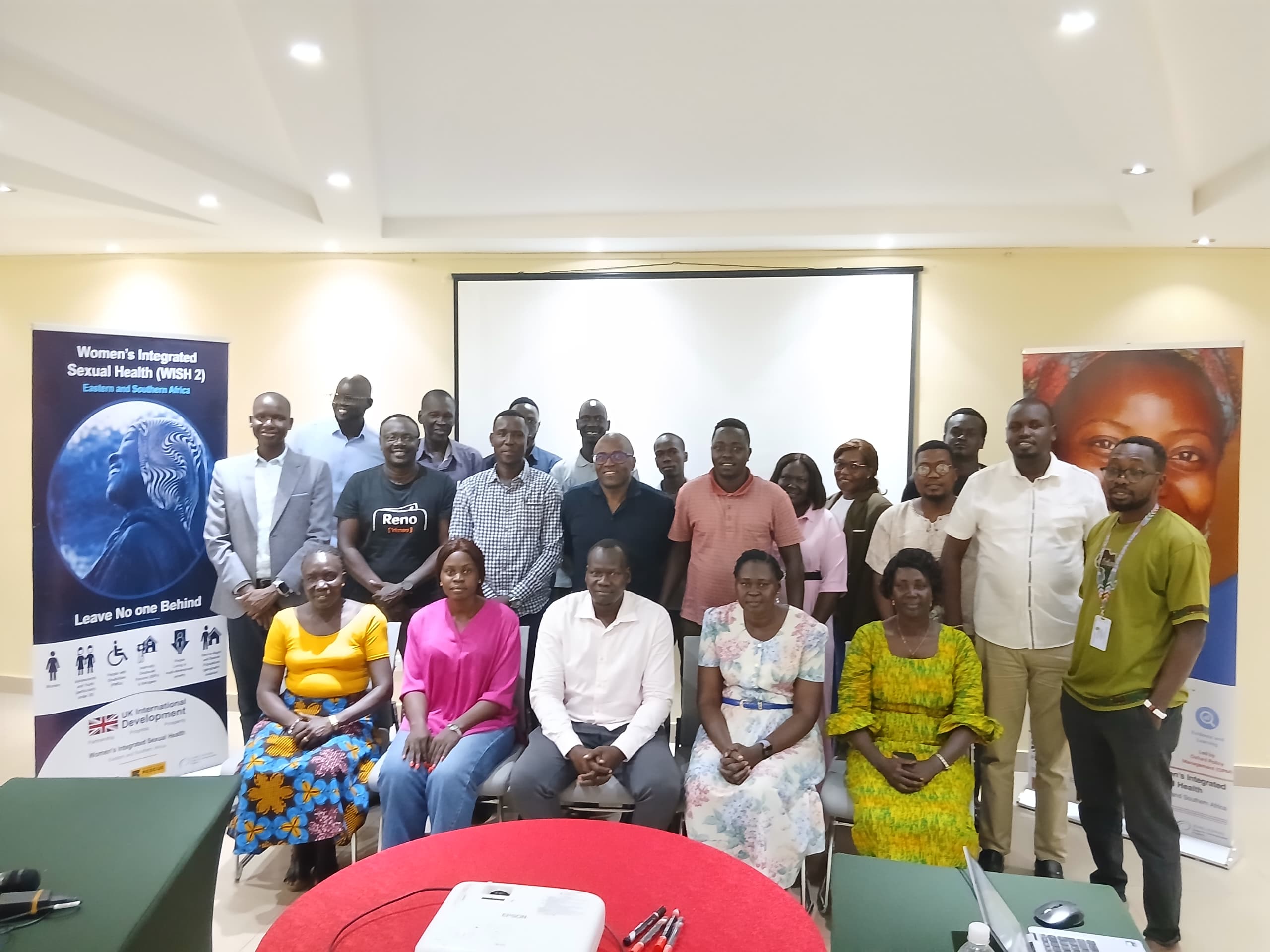
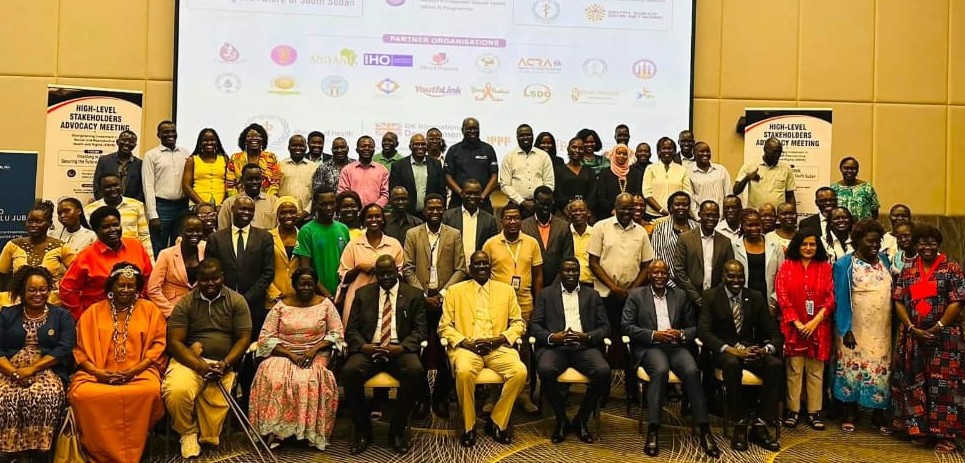
The warning was issued during a high-level advocacy meeting in Juba on Tuesday, organized by the Ministry of Health in partnership with the South Sudan Sexual and Reproductive Health and Rights (SRHR) Network, with support from WISH 2.
The meeting brought together government officials, lawmakers, development partners, civil society organizations and health experts to discuss sustainable financing for the health sector.
Speaking on behalf of the ministry’s undersecretary, the Director General for Reproductive Health, Dr. Mading Michael, said South Sudan remains committed to achieving universal health coverage by 2030 but continues to face significant financial constraints.
He said that while more than 70 percent of health facilities across the country now provide basic maternal and child health services, the country still records one of the world’s highest maternal mortality rates, estimated at 692 deaths per 100,000 live births.
Dr. Michael noted that more than 80 percent of health services in South Sudan are financed by external partners, leaving the health system highly vulnerable as global donor funding continues to decline.
He called for increased government investment in health, particularly in sexual and reproductive health services, saying stronger domestic financing is essential to maintain lifesaving care and reduce dependence on international assistance.
Representing the United Kingdom’s Foreign, Commonwealth and Development Office (FCDO), Dr. Wani Ayire said reductions in global aid are already affecting access to sexual and reproductive health services, urging South Sudan to strengthen domestic financing and develop long-term solutions for the health sector.
“The evidence is clear. The question is whether we will act with urgency and at scale,” he said.
Meanwhile, Dr. Benjamin Malek Atem, representing the Health Committee of the Transitional National Legislative Assembly, said South Sudan already has legal frameworks that protect the health rights of women and children, but stressed that greater budget allocations and effective implementation are now needed.
The meeting concluded with renewed calls for closer collaboration between government, parliament and development partners to build a more resilient health system capable of delivering essential services despite declining external support.