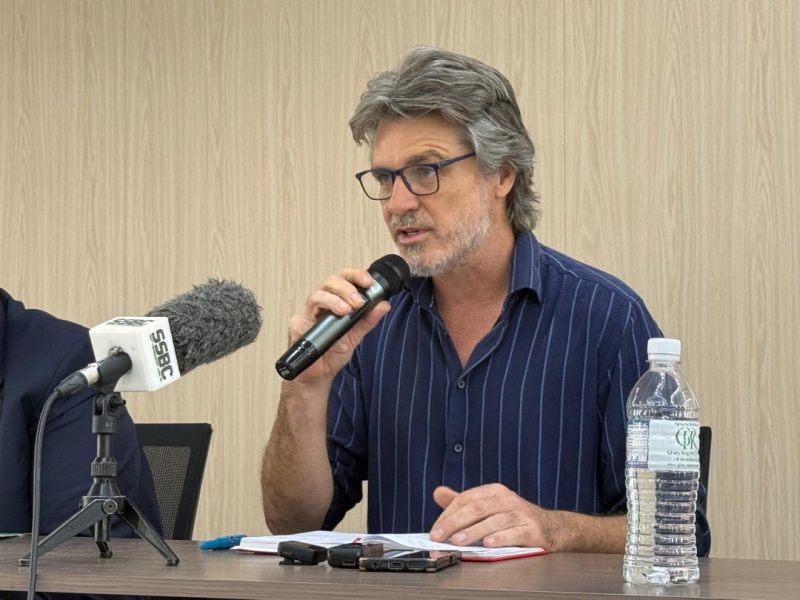

South Sudan has released 49 children from military training centres and armed forces, marking fresh progress in efforts to end the recruitment and use of children in conflict, officials announced at the Fourth National Child Protection Conference in Juba on Tuesday.
The children were released following engagements between the South Sudan Disarmament, Demobilization and Reintegration (DDR) Commission and military authorities conducted between April and June this year.
According to DDR Commission Chairperson Ayuen Alier Jongroor, 23 children were released from a military training centre in Malakal, 21 from Baryang in the Ruweng Administrative Area, and five from former SPLA-IO forces that have since been integrated into the South Sudan People’s Defence Forces (SSPDF) in Yambio.
Jongroor described the releases as an important milestone in implementing the Comprehensive Action Plan to end grave violations against children.
“Twenty-three children were released from a military training centre in Malakal, 21 from a military training centre in Baryang of Ruweng Administrative Area, and five from former SPLA-IO forces that have since been integrated into the SSPDF in Yambio,” Jongroor said.
He welcomed the extension of the Comprehensive Action Plan until 15 October 2027, saying it should provide enough time to complete all remaining commitments.
“We should regard this extension as an opportunity to conclude all our standing commitments,” he said.
Jongroor also appealed to commanders of the SSPDF, SPLA-IO and other organized forces to prevent the recruitment of children, saying the protection of children requires collective action from all stakeholders.
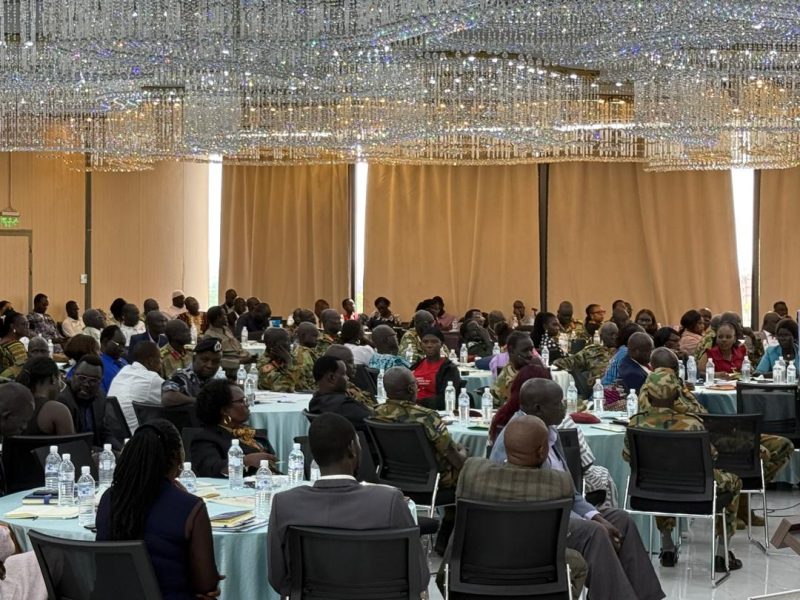
The Ministry of Gender, Child and Social Welfare said the government remains committed to strengthening systems that protect children affected by conflict.
Undersecretary Adeng Andrew said efforts would continue to focus on family reunification, psychosocial support, juvenile justice reforms and strengthening child protection services across the country.
“As a ministry, we remain committed to strengthening the child protection system, supporting family reunification, promoting psychosocial recovery, advancing juvenile justice reforms and ensuring that no child is left behind,” she said.
She also urged lawmakers to prioritize the passage of pending child protection legislation.
“Our policies can only be as effective as the laws that support them,” Andrew added.
Defence Minister Gen. Chol Thon Balok issued a stern warning to military commanders, saying South Sudan would not tolerate the recruitment or use of children by any armed force.
“Anyone responsible for recruiting, using, abducting, killing, maiming or committing any grave violation against children will be investigated, prosecuted and punished in accordance with the laws of South Sudan,” Balok said.
“No one is above the law. I also wish to emphasize that the recruitment and use of children has been criminalized.”
The United Nations also welcomed the releases.
UN Deputy Special Representative of the Secretary-General and Resident and Humanitarian Coordinator Ramanathan Balakrishnan described the recruitment and use of children as one of the gravest violations of children’s rights, saying children belong in schools and communities where they can learn, grow and contribute to South Sudan’s future.
Civil society organizations said the release of the children should be followed by stronger measures to prevent future recruitment.
Executive Director of the Community Empowerment for Progress Organization (CEPO), Edmund Yakani, welcomed the development but said releasing children must be matched by sustained prevention and accountability.
“The release of these children is encouraging and demonstrates that engagement can produce results, but our work is far from over,” Yakani said.
“The real success will be measured when no child is recruited again, commanders respect the law, and every child is safely reunited with family, returned to school and given the opportunity to rebuild a dignified future.”
Yakani urged the government, security institutions and communities to strengthen monitoring and ensure all armed actors fully comply with the Comprehensive Action Plan.
“Protecting children is not only a government responsibility. It requires communities, civil society, security institutions and development partners to work together to keep every child out of armed conflict,” he said.
South Sudan has been implementing the Comprehensive Action Plan with support from the United Nations and international partners to end grave violations against children.
While officials described the release of the 49 children as an important achievement, they acknowledged that continued cooperation, stronger accountability and sustained community engagement will be critical to ensuring that children are no longer recruited into armed forces or armed groups.