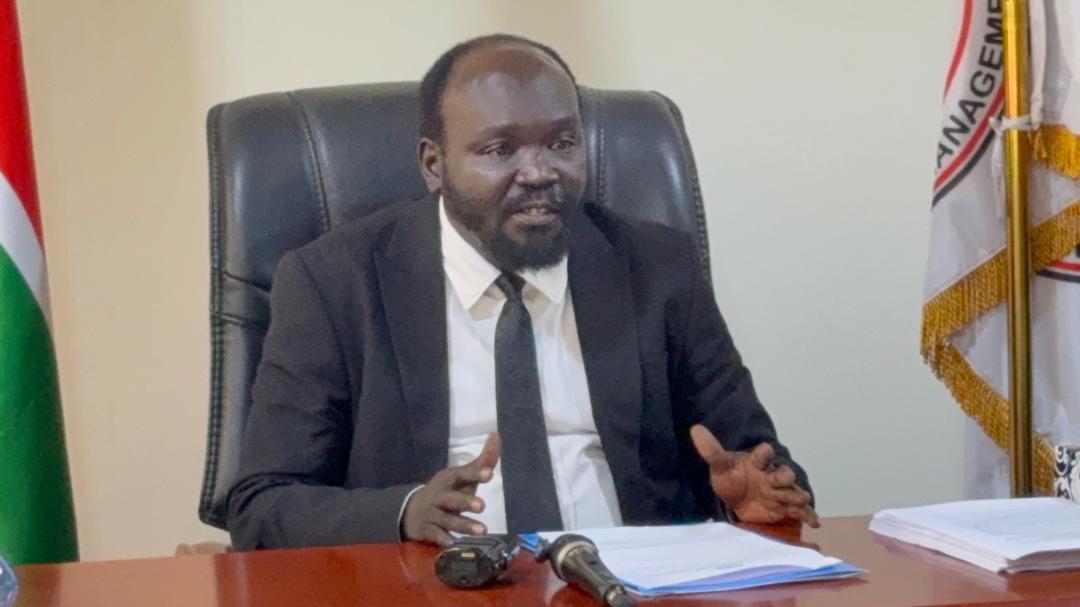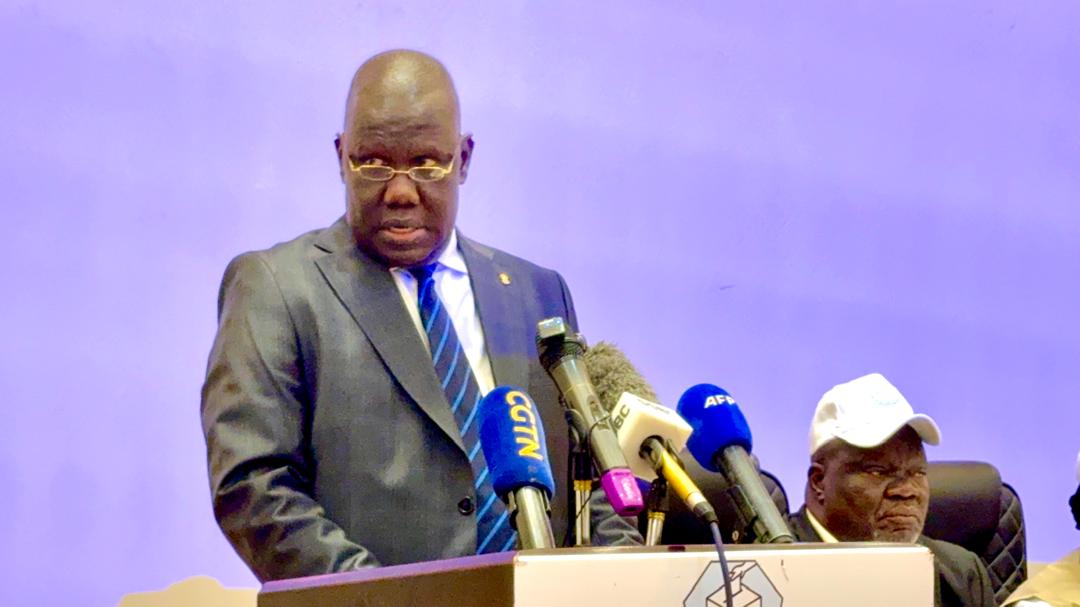
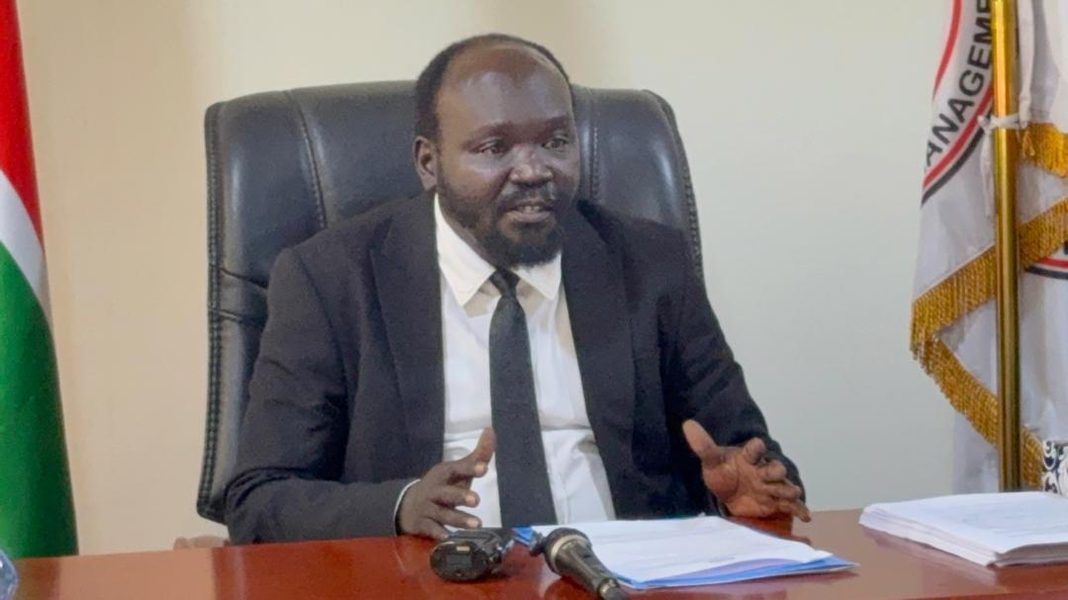
South Sudan’s Caretaker Minister of Humanitarian Affairs and Disaster Management, Peter Mayen Majongdit, on Monday announced new regulatory requirements compelling international non-governmental organizations (INGOs) to sign government-host agreements or risk challenges to their registration and continued operations in the country.
The new measures are contained in Ministerial Order No. 03/2026/MO/MHADM, signed by Minister Mayen on November 16, 2026, introducing a nationwide verification, review and re-registration exercise for national NGOs, international NGOs and civil society organizations operating under the NGO Act, 2016.
The order, officially titled The Verification, Review of Operational Scope, Enforcement of Country Host Agreement, and Re-registration of National and International Non-Governmental Organizations Order, 2026, establishes new compliance conditions for organizations seeking to maintain their legal status and operational authorization in South Sudan.
Under the directive, all international NGOs will be required to formally sign the standardized Country Host Agreement introduced by the government in July 2022 before completing their re-registration and obtaining authorization to continue operating.
The ministry has described the agreement as a mandatory requirement for every international NGO operating in the country, making its execution a central part of the new registration process.
The application exercise is scheduled to open on November 20 and close on December 21, 2026. Organizations holding valid registration certificates and submitting their applications within the stipulated period will be allowed to continue their lawful activities within their approved operational mandates while verification and agreement procedures are finalized.
Beyond the host agreement requirement, the order introduces additional conditions for international agencies, including establishing partnerships with at least two national NGOs or community-based organizations, maintaining valid technical agreements with relevant government line ministries and operating active bank accounts in recognized South Sudanese banks.
The directive also introduces new localization requirements for international organizations. Under the staffing provisions, INGOs must ensure that at least 80 percent of their workforce comprises South Sudanese nationals, while nationals must account for at least 50 percent of senior and country management positions.
The requirements appear aimed at strengthening national participation in humanitarian and development operations while increasing government oversight of organizations implementing projects across the country.
Meanwhile, the ministry has emphasized that the entire verification and re-registration exercise will be conducted free of charge.
It has warned government officials, committee members and local authorities against demanding administrative, processing or facilitation fees from participating organizations. Any individuals found soliciting unofficial payments will be referred to law enforcement and anti-corruption authorities.
The verification exercise will be conducted in three stages, beginning with the submission of organizational, financial, governance and operational documents. This will be followed by the execution of host agreements and compliance assessments before successful organizations receive renewed registration certificates and operational authorizations.
To oversee the process, the ministry has appointed a nine-member committee tasked with coordinating the exercise and ensuring that applications are assessed transparently.
The order also provides for organizations with minor compliance gaps to address them through time-bound corrective measures rather than immediately facing registration challenges.
Despite introducing stricter regulatory conditions, the ministry says the exercise is intended to improve coordination between humanitarian organizations and government institutions, prevent agencies from operating outside their approved mandates, promote local capacity and strengthen the legal framework governing humanitarian operations.
It further stressed that the new requirements are not intended to interrupt lifesaving humanitarian and development assistance across South Sudan.
The announcement comes as international humanitarian organizations remain important partners in delivering emergency assistance, health services, food support and other essential interventions to vulnerable communities across the country.
The Ministry of Humanitarian Affairs and Disaster Management, working with the Relief and Rehabilitation Commission (RRC), is expected to release additional implementation guidelines, including the standardized Country Host Agreement, verification checklists and application procedures, before the exercise officially begins on November 20.
Organizations operating in South Sudan are therefore expected to review the new requirements and prepare the necessary documentation ahead of the December 21 deadlines.