
Civil society activist Edmund Yakani, Executive Director of the Community Empowerment for Progress Organization (CEPO), has called on the African Union’s ad hoc peace mechanism, AUC5, to take decisive action to halt renewed fighting and push South Sudan’s leaders back to a peaceful political path.
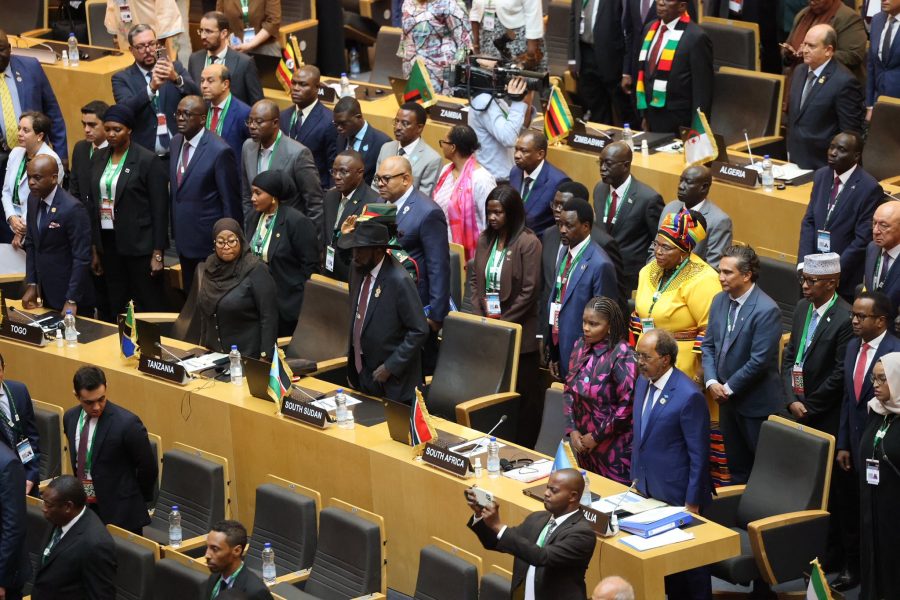
Speaking ahead of a side meeting on South Sudan held alongside the African Union Summit in Addis Ababa, Yakani said civilians are once again bearing the brunt of military confrontations between rival forces, warning that the return to armed solutions is deepening human suffering across parts of the country.
Yakani directly addressed members of AUC5 chaired by South Africa and comprising Nigeria, Algeria, Rwanda, and Chad urging them to use their mandate to influence South Sudanese leaders to abandon military escalation and recommit to dialogue.
According to Yakani, continued reliance on armed confrontation has resulted in civilian deaths, displacement, and loss of livelihoods, while many communities remain cut off from humanitarian assistance and face starvation amid ongoing violence.
Among the key demands raised by civil society is an immediate ceasefire and de-escalation of hostilities in line with the 2017 Cessation of Hostilities Agreement, followed by the resumption of an inclusive political dialogue among all rightful signatories to the 2018 Revitalized Peace Agreement.
Yakani also called on leaders to commit to holding national elections scheduled for December 2026, stressing that the polls must only proceed when conditions allow for a free, fair, and credible process.
He warned against further extensions of the transitional period, saying repeated delays undermine public confidence in the peace process.
In addition, civil society is demanding the release of political detainees to enable genuine and inclusive dialogue, as well as an end to persistent political splits that weaken commitment to implementing the peace agreement.
Yakani further urged AUC5 to support the efforts of South Sudanese women mediators, describing dialogue not military force as the only viable pathway to resolving the country’s political crisis.
He concluded by appealing to the AUC5 chair and its members to deliver concrete outcomes from their engagement with South Sudan’s leaders, saying citizens are looking for action, not statements, to help the country transition from violence to lasting peace.