South Sudan is grappling with tightening liquidity in its banking system, even as officials stress that the country is not facing a broader currency crisis, a senior government advisor has warned.
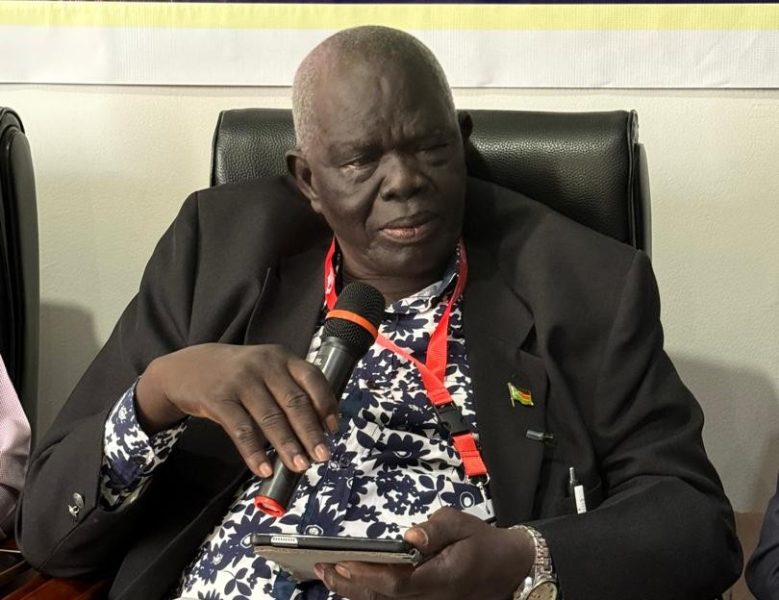
Aggrey Tisa Sabuni, Advisor to the South Sudan Revenue Authority, said the current cash shortages in banks are not merely an economic concern but a deeper structural issue with wide-ranging consequences across governance, trade, and migration.
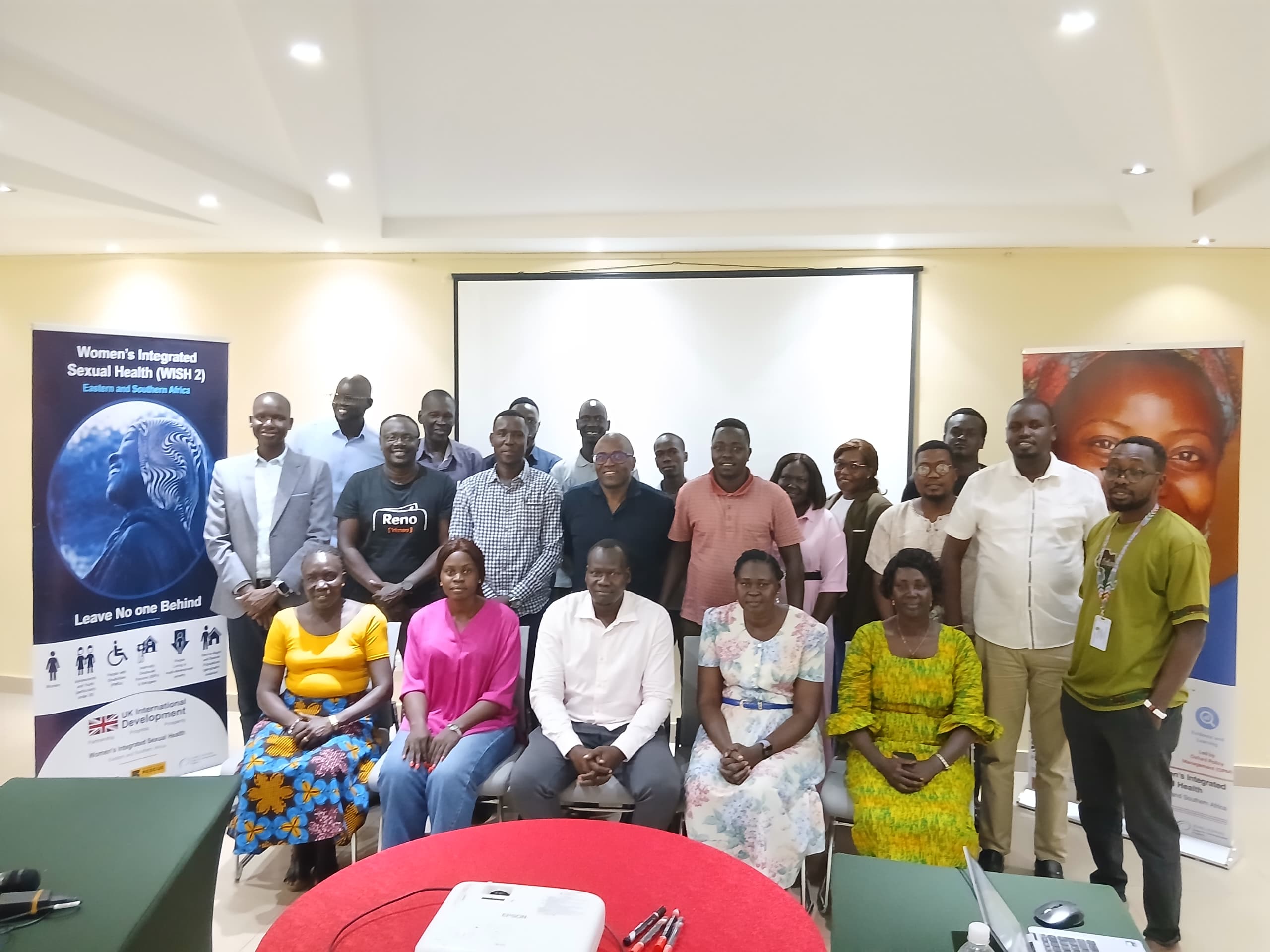
He made the remarks during a panel discussion at an Economic Symposium held on 22nd April 2026, organized by the Talent Initiative Development (TIDE) in partnership with the Konrad Adenauer Stiftung (KAS).
The forum examined the spillover effects of liquidity constraints on rule of law, cross-border trade, and population movement.
“There is no currency crisis in South Sudan what we have is a banking liquidity crisis. Money exists, but it has moved out of banks into the hands of individuals,” he said.
Sabuni described the situation as a “multi-layered crisis,” explaining that liquidity shortages arise when individuals, businesses, or institutions lack sufficient cash or easily convertible assets to meet immediate obligations.
“In South Sudan, this has become visible in everyday life, including difficulties in accessing salaries and limited cash circulation within the banking system,” he said.
“By definition, a liquidity crisis is a financial emergency where a country, company, bank, or individual lacks efficient cash or liquid assets to meet immediate obligations,” Sabuni added.
He attributed the tightening liquidity in banks primarily to declining public confidence in the banking sector, which he said has weakened financial circulation.
He further linked the situation to irregular inflows of foreign reserves over recent years, which has constrained banks’ ability to meet cash demand.
According to Sabuni, the effects extend beyond the financial sector, influencing informal trade practices, encouraging cash-hoarding behaviors, and complicating cross-border transactions.
He warned that these dynamics are gradually reshaping how economic activity is conducted outside formal banking systems.
Experts participating in the symposium also noted that sustained liquidity constraints may have broader social implications, including influencing migration patterns, as economic pressures often drive people to seek opportunities across borders.
Concerns were also raised about the growing strain on regulatory institutions and the enforcement of the rule of law, particularly as informal economic activity expands in response to cash shortages.
Participants at the symposium called for urgent and coordinated interventions to stabilize the financial system and rebuild trust in banking institutions.
Key recommendations included strengthening monetary governance, improving the management of foreign reserves, and enhancing transparency within the financial sector.
They further urged closer collaboration between government institutions, financial regulators, and development partners to address underlying structural weaknesses contributing to the liquidity challenges.
The need to expand public awareness on formal banking systems was also emphasized as a critical step toward restoring confidence among citizens and the business community.
The discussion formed part of broader efforts by TIDE and KAS to promote evidence-based dialogue on economic governance and its wider social and cross-border implications in South Sudan.