A public disagreement among senior South Sudanese officials over the use of crude oil cargo to finance government projects has exposed growing tensions within the country’s leadership over how state resources are managed outside formal budget systems.
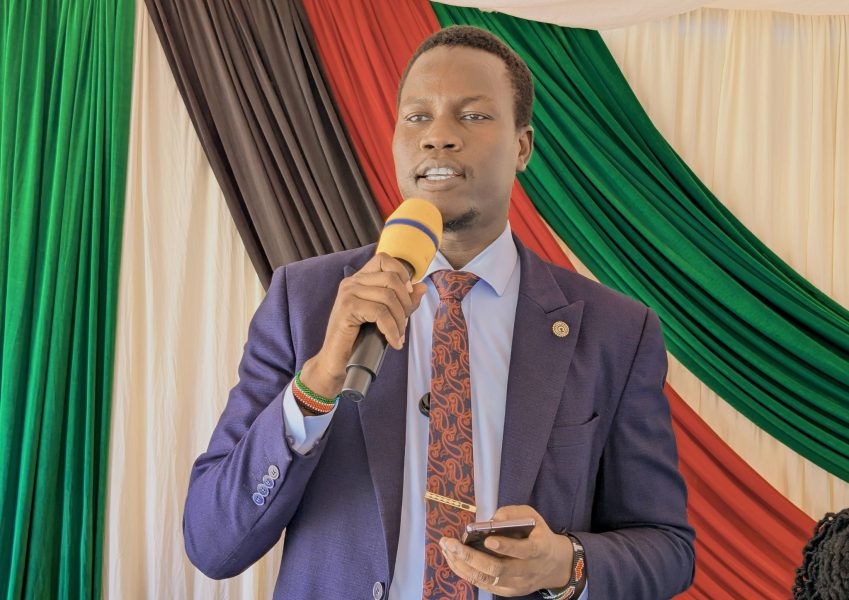
The clash unfolded during the inauguration ceremony of the National Olympics Committee office in Juba on Tuesday, where Central Equatoria State Minister for Youth and Sports, Bush Buse, appealed for government support to establish a modern sports city in the state.
Buse revealed that the state government had already allocated a large piece of land for the ambitious sports project and said only financial backing from the national government and development partners was now needed to begin construction.
“We now have the land for the sports city project, and the next step is to seek support from international partners and the government. Even one cargo allocation from the government could be enough to develop the area,” Bush Buse said.
The youthful minister’s remarks immediately sparked reactions among senior officials attending the event, turning the ceremony into a heated debate over how government projects should be financed.
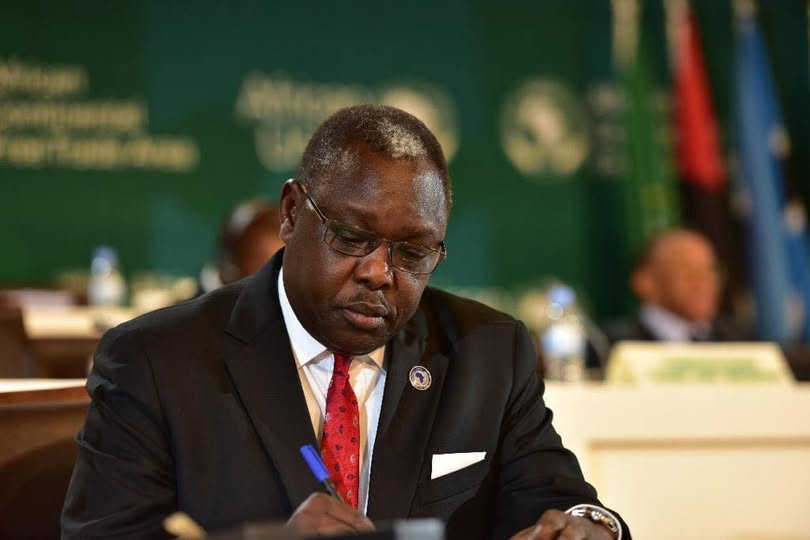
Cabinet Affairs Minister Martin Elia Lomuro strongly opposed the proposal, arguing that national projects must follow proper government budgeting procedures rather than relying on direct oil cargo allocations.
Lomuro warned against normalizing the practice of financing public projects through crude oil shipments outside approved state mechanisms, saying government institutions should instead prioritize accountability and transparent budgeting processes.
The minister’s comments appeared to reflect growing concerns within sections of government over the increasing use of oil cargo allocations to directly fund projects and settle state obligations amid long-running complaints about missing oil revenues and weak financial oversight.
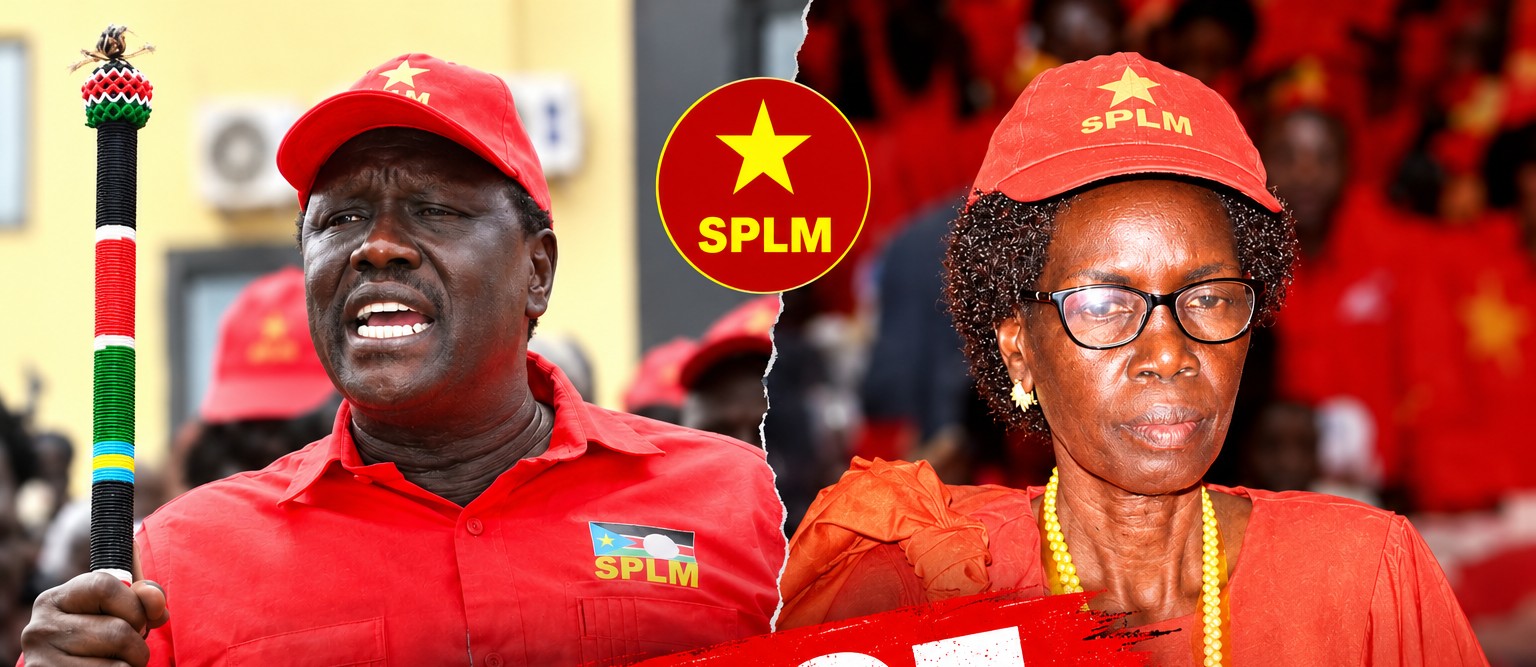
But Vice President Rebecca Nyandeng De Mabior quickly came to the defense of Bush Buse, dismissing criticism of the request and arguing that the young minister had done nothing unusual.
In a blunt response that drew laughter and murmurs from the audience, Rebecca said requesting oil cargo support had effectively become “the language being spoken in South Sudan.”
“Why should he not ask?” she reportedly remarked, defending Buse’s proposal while pointing to the country’s growing culture of using crude oil allocations as a direct financing tool for government activities.
Her remarks highlighted what many observers see as the normalization of parallel financing structures within government, where strategic projects are increasingly tied to oil cargo deals instead of parliamentary budget allocations.
The exchange quickly transformed what was meant to be a ceremonial sports event into a revealing political debate over South Sudan’s oil-dependent economy and the government’s controversial management of petroleum revenues.
In recent years, authorities have increasingly turned to direct crude oil cargo arrangements to finance infrastructure projects, repay debts, and sustain government operations, particularly during periods of economic crisis and cash shortages.
However, critics argue that the system has weakened public financial accountability and created opportunities for misuse of state resources, with repeated allegations that proceeds from oil sales often fail to reach intended institutions or development programs.
The disagreement between Lomuro and Rebecca also exposed deeper divisions within government over whether the country should continue relying on informal oil-backed arrangements or return to stricter budgetary controls and institutional financial management.
For Bush Buse, the proposal was presented as a practical appeal aimed at unlocking development for sports infrastructure in Central Equatoria State, especially after the allocation of land for the planned sports city.
But for others, the public exchange became yet another reflection of how deeply South Sudan’s politics and governance remain tied to crude oil wealth — where even the construction of sports facilities can trigger a national debate over barrels, budgets, and power.