The Country Coordinating Mechanism (CCM) has begun preparations for a new funding application worth $129 million from the Global Fund to support South Sudan’s fight against HIV, tuberculosis (TB), and malaria.
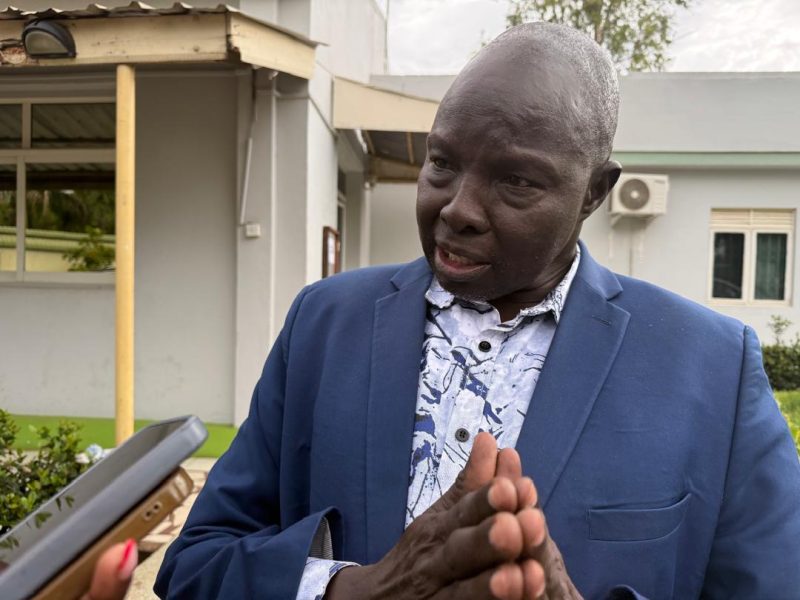
Dr. Marial Cuir Khoc, Vice Chair of the CCM and Director General for Programme Coordination at the HIV/AIDS Commission, revealed the development while briefing journalists on the sidelines of a CCM General Assembly meeting in Juba on Tuesday.
Dr. Cuir said the CCM, which serves as the official in-country representative of the Global Fund, is responsible for overseeing grants and coordinating national efforts to ensure resources are effectively utilized to combat the three diseases.
“The Global Fund does not have offices in individual countries, so the CCM acts as the official platform representing the partnership at the national level,” he explained.
“Our role is to oversee the grants, ensure accountability, and guide the country in preparing funding applications.”
He noted that South Sudan has been benefiting from Global Fund support for over two decades, with successive grant cycles contributing significantly to the country’s health sector.
The country is currently implementing Grant Cycle Seven (GC7) and is now preparing to transition into Grant Cycle Eight (GC8).
According to Dr. Cuir, the new funding allocation of $129 million will be distributed across the three priority diseases, with malaria receiving the largest share, followed by HIV and TB. The funds will support a range of interventions, including prevention, treatment, diagnostics, and health system strengthening.
He emphasized that preparations for the funding application are already underway, beginning with a comprehensive review of existing programs.
“We recently concluded a program review covering the past three years to assess achievements, identify challenges, and highlight gaps in implementation,” he said.
The findings from the review have informed the development of updated national strategic plans for HIV, TB, and malaria.
These plans, currently undergoing final validation, will serve as the foundation for the new funding application.
“What worked well will be maintained in the new strategy, and areas of weakness will be addressed to improve outcomes,” Dr. Cuir added.
The CCM is expected to begin the formal allocation of funds across priority interventions next week, with a deadline of June 8 set for submission of the final application to the Global Fund.
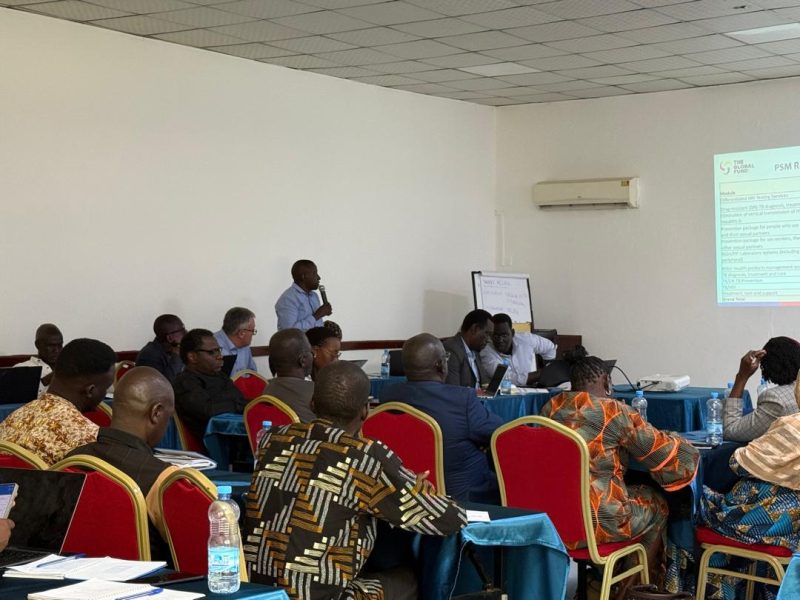
Dr. Cuir said the General Assembly meeting was convened to update stakeholders on progress made so far and to ensure inclusive participation in decision-making.
The assembly brings together representatives from government, civil society, development partners, affected communities, and the media.
“We want all stakeholders to be on the same page,” he said. “Their input is critical in guiding priorities so that no group is left behind in the allocation of resources.”
He explained that Principal Recipients organizations responsible for implementing Global Fund programs present progress reports during such meetings, outlining successes, challenges, and areas requiring attention.
These presentations help inform deliberations and recommendations from CCM members.
However, Dr. Cuir cautioned that the country risks losing part of the allocated funds if it fails to meet co-financing requirements set by the Global Fund.
Under the arrangement, the government is expected to contribute approximately 10 percent of the total grant value through domestic investments in the health sector.
Failure to meet this obligation could result in deductions from the approved funding. “If we do not demonstrate adequate co-financing, the Global Fund may reduce our allocation,” he warned.
He noted that efforts are underway to document government contributions, including spending on health workers, infrastructure, and service delivery, which can be counted toward the co-financing requirement.
Dr. Cuir also raised concerns about declining donor support globally, warning that reduced funding could impact service delivery in the country.
He called for increased domestic investment and stronger engagement with the private sector to sustain health programs.
Despite the challenges, he highlighted notable progress made over the years, particularly in reducing HIV infections and deaths, improving malaria diagnosis, and expanding access to TB treatment.
“As we move into the next funding cycle, our focus is to build on these gains while addressing persistent gaps to ensure better health outcomes for all South Sudanese,” he said.