
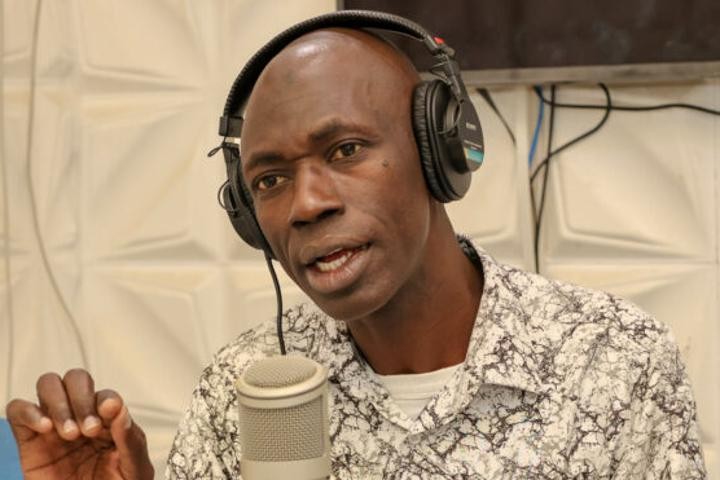
A civil society leader has called on South Sudan’s political parties to engage in sincere dialogue among the rightful peace signatories, cautioning that mistrust and political disputes threaten the nation’s fragile peace.
Speaking at a press briefing in Juba, the civil society advocate stressed that the peace agreement remains the only viable framework for ending years of conflict, but said its success depends on honest engagement, political will, and respect for the roles of all original signatories.
“The peace agreement was not signed for public relations or political convenience,” the civil society leader said.
“It was signed to end bloodshed, restore dignity to our people, and lay the foundation for democratic governance. That purpose is being undermined when dialogue becomes selective, superficial, or driven by narrow interests.”
The civil society leader expressed concern over growing divisions within the peace partners, noting that internal splits, parallel negotiations, and exclusionary decision-making processes are eroding trust among parties that committed themselves to the agreement.
According to the activist, some political actors are increasingly bypassing established mechanisms under the R-ARCSS, choosing instead to pursue unilateral actions that weaken collective ownership of the peace process.
“Genuine dialogue means sitting together as equals, acknowledging grievances, and resolving differences within the structures agreed upon,” the leader said.
“It does not mean imposing decisions or sidelining partners who hold legitimate stakes in the peace.”
The call for renewed dialogue comes amid widespread public frustration over slow implementation of key provisions of the peace agreement, including security arrangements, constitutional reforms, electoral preparations, and the unification of forces.
Civil society groups say these delays have deepened economic hardship, prolonged insecurity in parts of the country, and diminished public confidence in the transition.
“The people of South Sudan are tired of extensions, excuses, and political games,” the leader said. “They want peace dividends—security, services, justice, and a clear path to elections.”
The civil society leader warned that failure to resolve political disagreements through dialogue could reverse hard-won gains and plunge the country back into instability.
“History has taught us that when dialogue collapses, violence fills the vacuum,” the leader cautioned. “No party will emerge victorious from another conflict. The only winners would be suffering, displacement, and national regression.”
The activist urged regional guarantors, international partners, and peace monitors to play a more assertive role in encouraging compliance with the peace agreement, while respecting South Sudan’s sovereignty.
“They must remind leaders of their commitments and support inclusive processes that put the interests of citizens first,” the leader said.
Concluding the statement, the civil society leader appealed to political leaders to rise above personal and factional interests and focus on the future of the nation.
“Leadership is not about holding onto power at all costs,” the leader said. “It is about responsibility, compromise, and courage to do what is right for the people.
Genuine dialogue among rightful peace signatories is not optional it is essential for South Sudan’s survival and progress.”