Civil society organizations have renewed their commitment to strengthening advocacy for women’s participation in leadership and decision making following a one-day refresher training that examined the challenges limiting women’s representation in public office and governance.
Speaking during the training, Young Women’s Christian Association (YWCA) Project Officer Nemisho Joye Bage said the forum enabled civil society actors to reflect on barriers affecting women’s leadership and review advocacy strategies aimed at increasing women’s participation in decision-making.
She said the annual refresher training assesses progress made over the past year, reviews existing advocacy plans, and identifies gaps that continue to hinder women’s meaningful participation in leadership.
Bage noted that despite sustained advocacy efforts, many women remain reluctant to seek leadership positions due to fear of public criticism, discrimination, and poor working conditions.
“Many women fear taking leadership positions because they believe they will be judged more harshly than men. When a woman assumes office, people quickly question what she has achieved, yet the same questions are rarely directed at men holding similar positions,” she said.
She added that economic hardships also discourage women from remaining in leadership, with some opting for small businesses to support their families because of inadequate salaries and financial insecurity.
Bage further cited weak implementation of laws protecting women’s rights and promoting gender equality as a major obstacle to increasing women’s representation in governance.
She urged civil society organizations to regularly review their advocacy approaches to ensure they effectively influence policies and address the realities women face.
“We need to go back to the drawing board and determine what is working and what is not. Our advocacy plans must respond to the challenges women face and push for policies that increase their participation in leadership,” she said.
Bage also encouraged women aspiring to leadership to believe in themselves and build strong support networks within their communities and political parties, saying confidence and alliances are essential for success.
She emphasized that promoting women’s rights requires the involvement of both women and men, noting that YWCA partners with male youth groups to promote positive masculinity and address the root causes of gender inequality and gender-based violence.
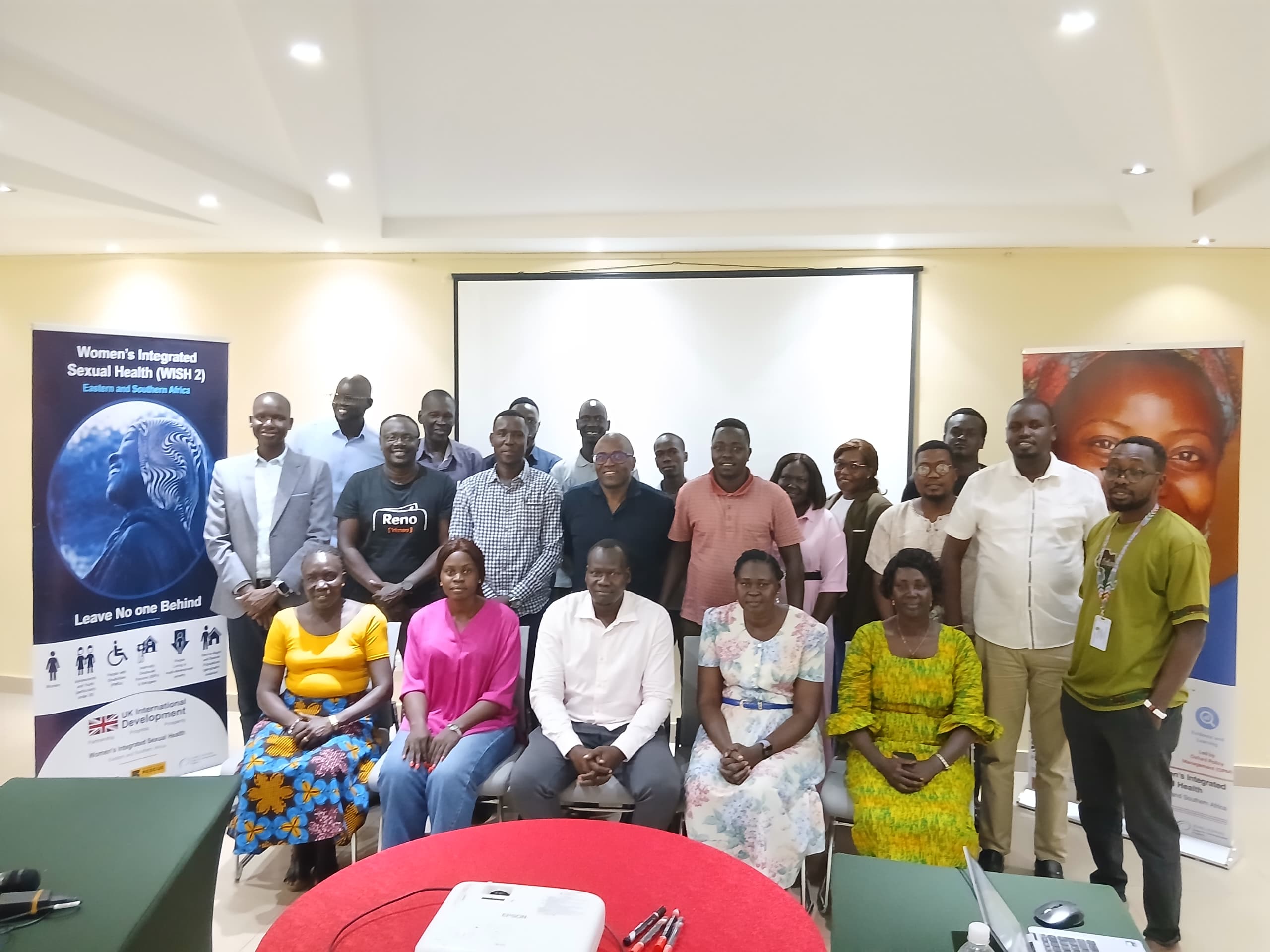
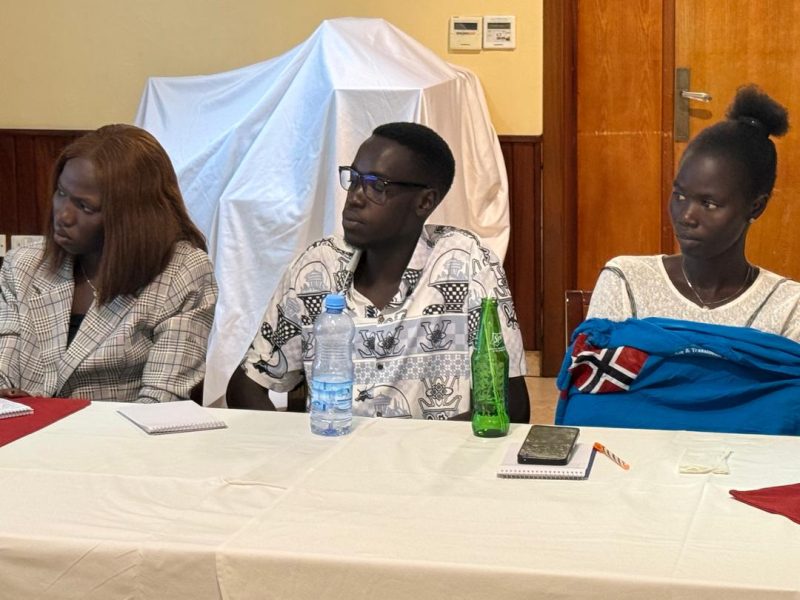
The one-day refresher training was organized by the Young Women’s Christian Association (YWCA) with support from DANIDA. It brought together more than 30 participants, including representatives from civil society organizations, women-led groups, youth organizations, disability advocates, government institutions, and other stakeholders to review advocacy strategies and strengthen collective efforts to increase women’s participation in leadership and decision-making.
Echoing similar sentiments, Gordon Kuol Majak, Executive Director of Tribe64 Organisation, described the training as a valuable platform for civil society organizations to exchange experiences and identify practical solutions to challenges affecting women’s participation in leadership.
Majak said interacting with organizations working directly with women had broadened his understanding of the barriers they face, particularly deeply rooted social norms and negative public attitudes.
“Our biggest challenge is changing people’s beliefs and attitudes. It is not easy to break long-held social norms, but through continuous community engagement and awareness, we can help people understand that women are equally capable of leading and making decisions,” he said.
He added that Tribe64 promotes gender equality within its own structure by maintaining equal representation of women and men in leadership positions and encouraged young women to believe in their abilities, saying self-confidence is key to increasing women’s participation in leadership and decision-making.