
A civil society leader has raised concerns over a growing wave of violence linked to competition for mining and fishing resources across South Sudan, warning that failure to regulate the sectors could lead to increased loss of life and instability in affected communities.
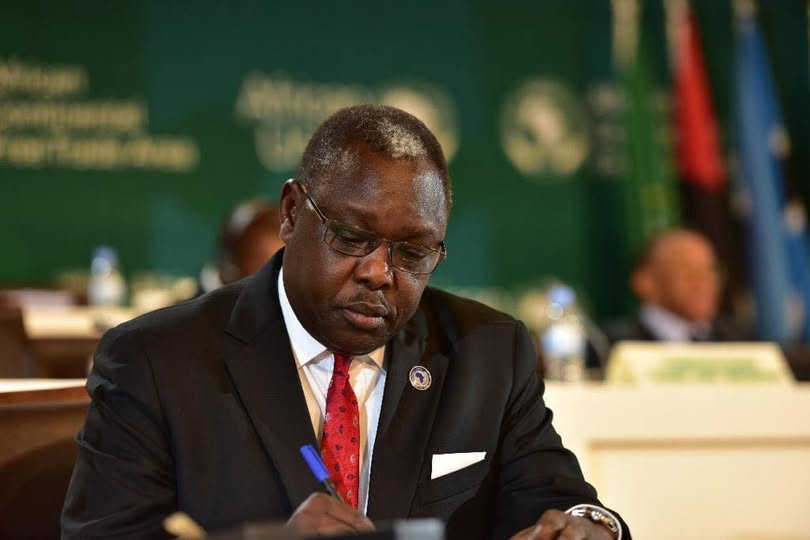
Speaking on behalf of the Community Empowerment for Progress Organization (CEPO), Executive Director Edmund Yakani said the organization’s early warning system has detected an emerging pattern of deadly conflicts associated with disputes over gold mining sites and fishing grounds in several parts of the country.
Yakani noted that communities are increasingly competing for access to natural resources that have become important sources of income amid economic hardships, creating tensions that risk escalating into wider intercommunal violence.
According to CEPO, several recent incidents point to a worrying trend.
These include clashes in Bor Medina of Raja County linked to disputes over mining areas, tensions in Kashingor along the border between Eastern Equatoria State and the Greater Pibor Administrative Area, and violence in areas involving Murle and Anyuak communities.
The organization also cited previous deadly confrontations in Jabal Iraq and emerging tensions in Tonj South County, where disputes over access to resources have attracted public attention and concern from local leaders.
Yakani further warned that additional hotspots are beginning to emerge, including in Loponok Payam of Central Equatoria State and other areas where mining activities are expanding.
He said the lack of clear regulations and effective management of mining operations has contributed to competition among communities, individuals, and groups seeking control over lucrative resource sites.
“The mining sector in the country is becoming deadly,” Nyakani said, stressing that similar incidents have previously been reported in other parts of South Sudan and now appear to be forming a broader national trend.
Beyond mining, CEPO also highlighted recurring conflicts over fishing grounds, particularly involving armed youth groups competing for access to productive fishing areas.
The organization noted that disputes linked to fishing activities have repeatedly resulted in violence and loss of life in some communities.
Many say the growing importance of artisanal mining and commercial fishing as sources of livelihoods has intensified competition, especially in areas where governance structures remain weak and resource management systems are underdeveloped.
Yakani urged both the national and state governments to take immediate steps to formalize and regulate the mining and fishing industries.
He argued that establishing clear legal frameworks, strengthening oversight, and promoting peaceful resource-sharing mechanisms could help prevent future conflicts.
He also called for increased engagement between local authorities, traditional leaders, and communities to address grievances before they escalate into violence.
“If these sectors remain unregulated, South Sudan risks witnessing more deadly confrontations and the loss of innocent lives as communities compete over these growing income-generating resources,” he warned.
CEPO said it will continue monitoring conflict indicators through its early warning system and sharing information with authorities and peacebuilding actors to support preventive action in areas identified as high-risk.
The warning comes amid growing concerns that competition over natural resources is becoming a significant driver of local conflicts in several parts of South Sudan, threatening community cohesion and undermining efforts to build lasting peace and stability.