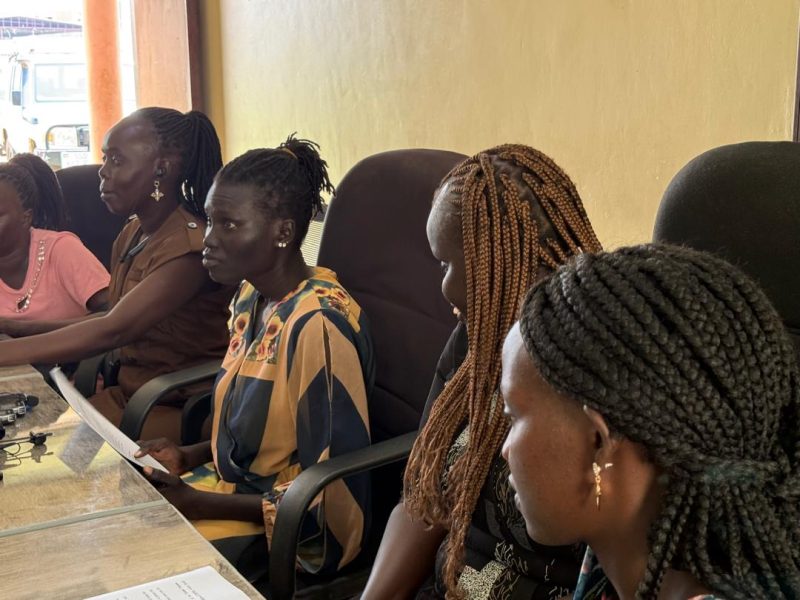
Disability rights organisations have called for urgent measures to ensure women with disabilities are fully included in South Sudan’s electoral process.
The group says credible and peaceful elections cannot be achieved while a significant section of the population remains excluded from political participation.
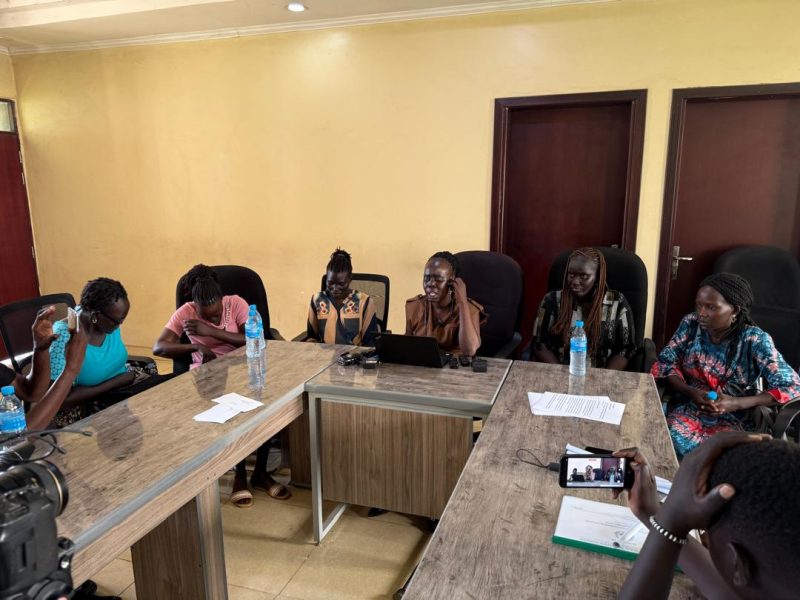
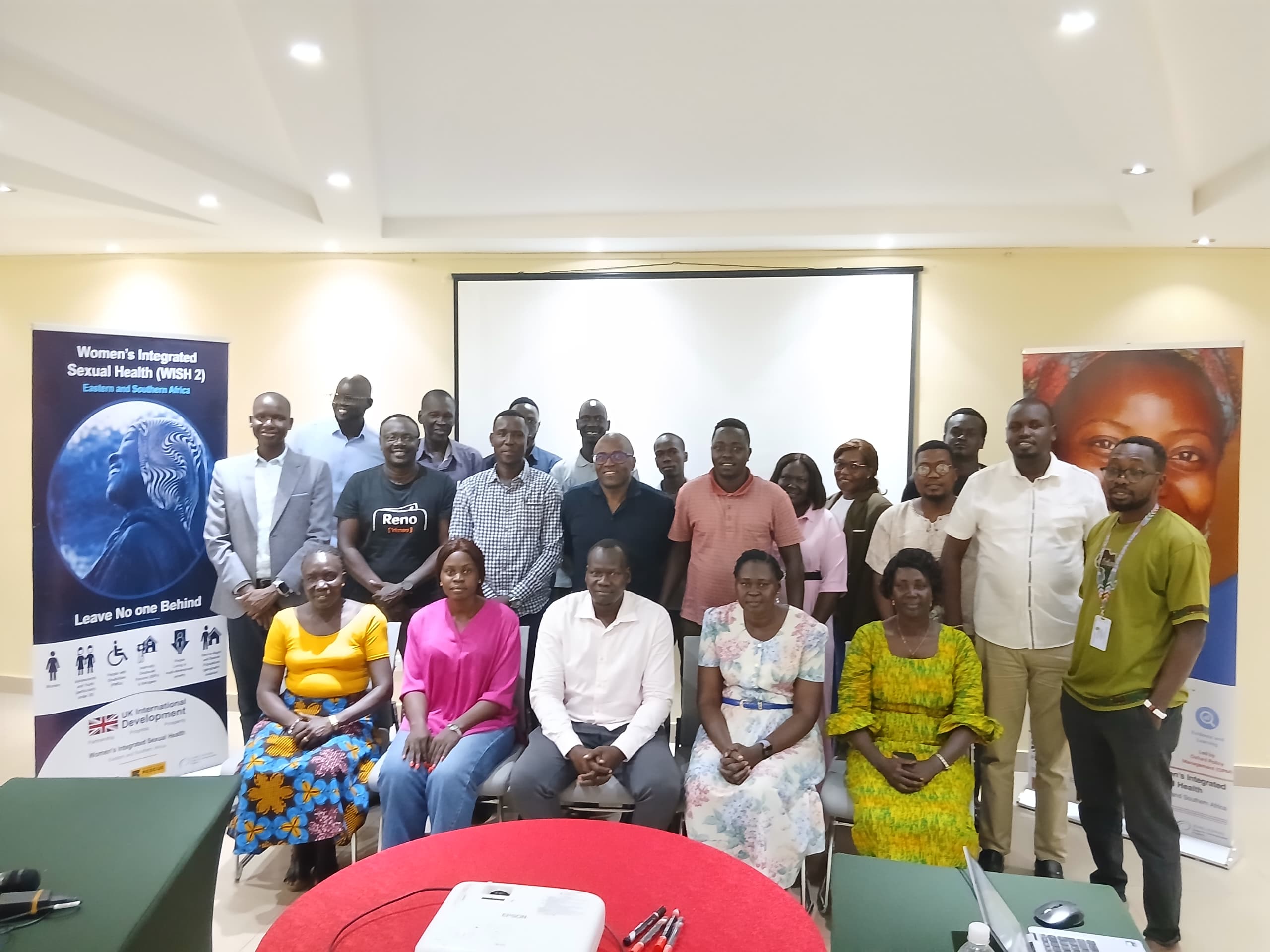
The appeal was made on Monday during an engagement with the Political Parties Council (PPC) in Juba, where representatives of Women for Justice and Equality and the Union of Persons with Disabilities urged political parties, election management bodies and government institutions to remove barriers preventing women with disabilities from participating in politics.
Speaking on behalf of the organisations, disability rights activist Catherine Vienseio said South Sudan’s commitments under national, regional and international human rights frameworks must now be translated into practical action.
“We are calling for deliberate and measurable steps that will allow women with disabilities to participate equally in elections not only as voters, but also as candidates, political leaders and decision-makers,” Vienseio said while reading the joint press statement.
The organisations said women with disabilities continue to face multiple challenges, including inaccessible political spaces, discrimination, stigma, limited access to civic and voter education, economic hardship and underrepresentation in leadership positions.
They argued that these barriers undermine democratic participation and weaken efforts to build inclusive governance and lasting peace.
The groups reminded political leaders that South Sudan has ratified the United Nations Convention on the Rights of Persons with Disabilities (CRPD), committing the country to uphold the rights and dignity of persons with disabilities, including their participation in political and public affairs.
They also cited United Nations Security Council Resolution 1325 on Women, Peace and Security, saying its implementation requires the meaningful participation of all women, including women with disabilities, in elections, peacebuilding, governance and decision-making.
In addition, the organisations urged the government to fully implement the Maputo Protocol, which guarantees women’s equal participation in political and public life and obliges states to eliminate barriers that prevent women including those with disabilities from exercising their political rights.
“The commitments made by South Sudan are more than legal obligations. They are promises to build a nation where every citizen, regardless of disability or gender, enjoys equal rights, equal opportunities and equal dignity,” the statement said.
The organisations called on political parties to adopt inclusive recruitment and leadership policies, remove discriminatory nomination procedures and ensure political meetings, campaigns and training sessions are accessible through sign language interpretation, accessible venues and information provided in formats suitable for persons with disabilities.
They also proposed expanding civic and voter education programmes targeting women with disabilities, particularly in rural and hard-to-reach areas, while advocating for stronger partnerships between political parties, civil society organisations and organisations representing persons with disabilities.
The Political Parties Council was urged to strengthen oversight of political parties by making disability inclusion a key measure of compliance with democratic standards.
The groups also recommended that parties be publicly assessed on their inclusion of women, youth and persons with disabilities ahead of future elections.
South Sudan is yet to hold its long-awaited general elections, which have been repeatedly postponed as political leaders continue implementing the 2018 Revitalised Peace Agreement.
Civil society organisations have increasingly called for reforms to ensure the electoral process is inclusive, transparent and accessible to all citizens.
The disability rights organisations reaffirmed their commitment to working with the Political Parties Council, government institutions, development partners and civil society to promote equal political participation and strengthen inclusive democracy across South Sudan.