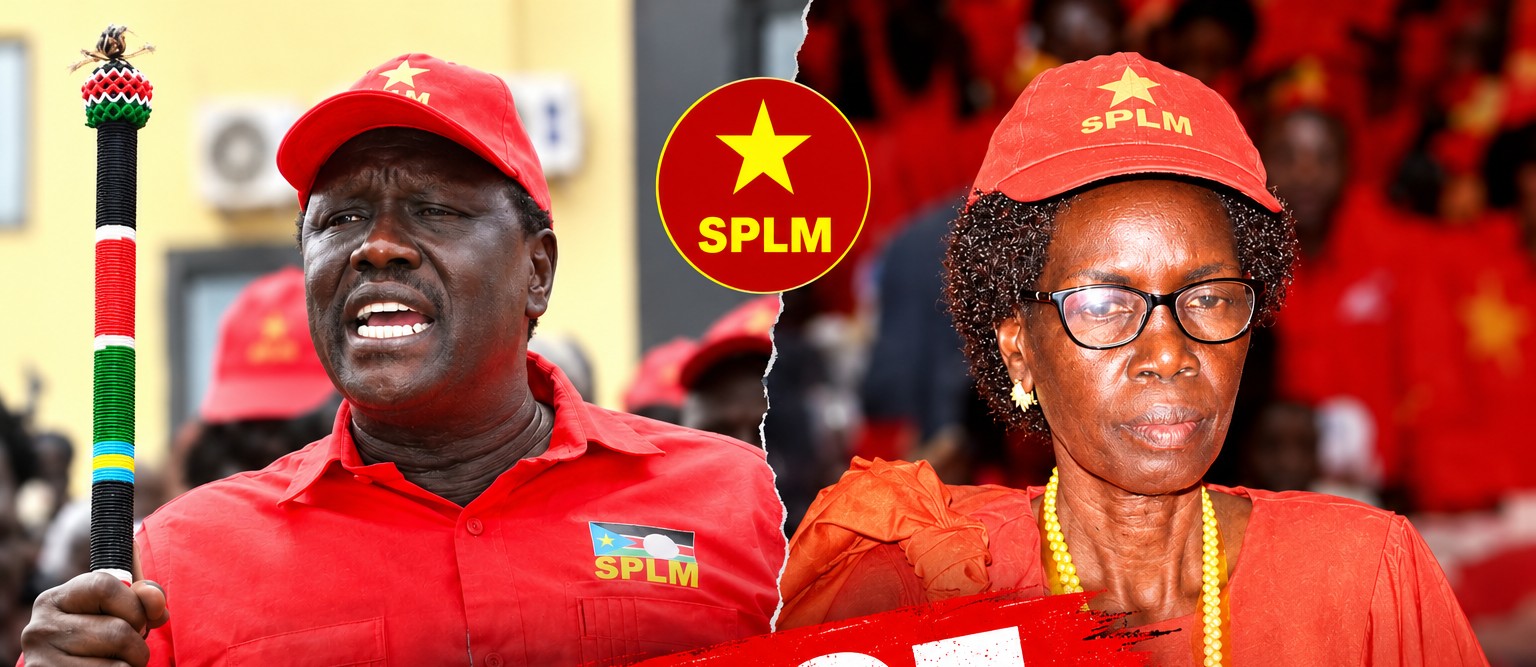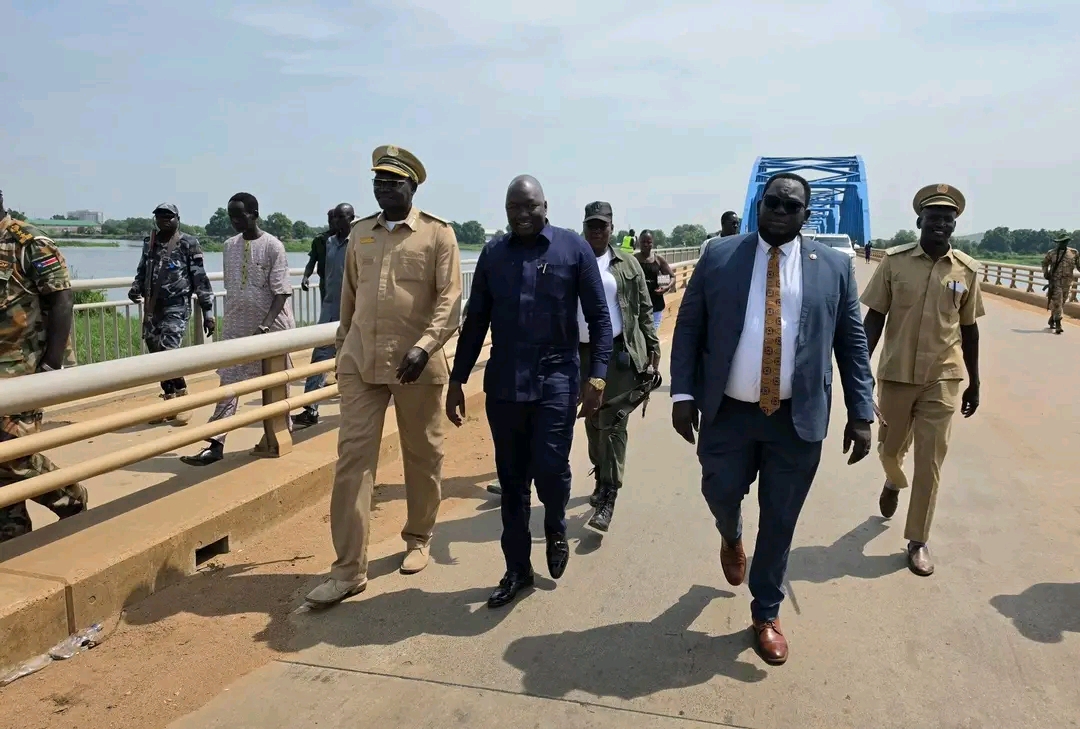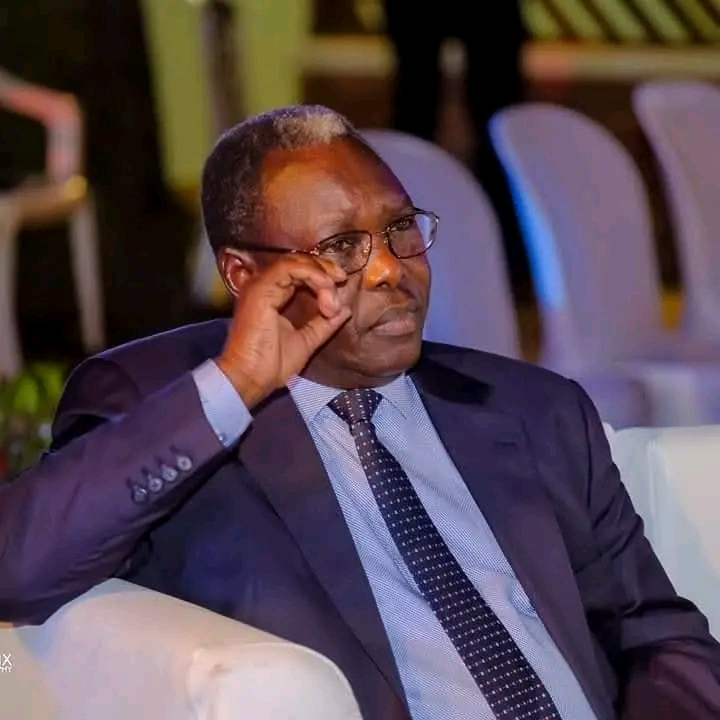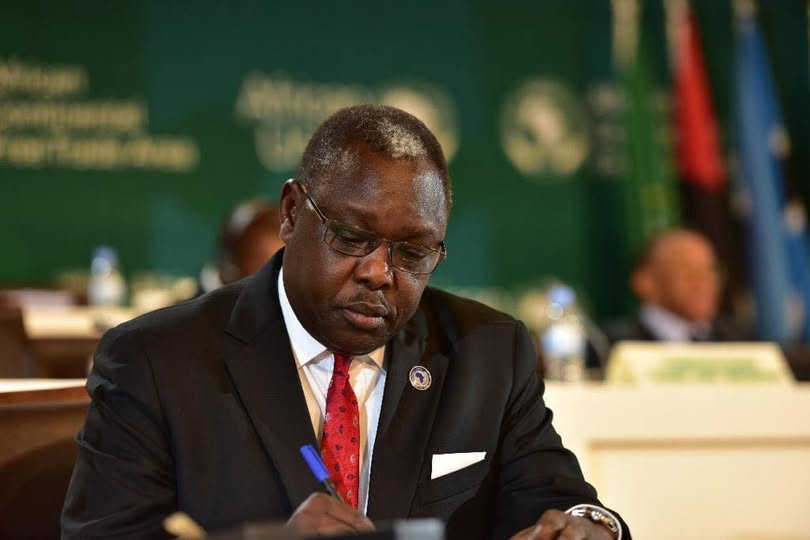
Tensions flared inside South Sudan’s Transitional National Legislative Assembly on Monday after lawmakers from the opposition Sudan People’s Liberation Movement-in-Opposition (SPLM-IO) staged a dramatic walkout in protest against proposed amendments to the Revitalized Agreement on the Resolution of the Conflict in South Sudan (R-ARCSS).
The protest briefly disrupted parliamentary proceedings after Justice and Constitutional Affairs Minister Michael Makuei Lueth tabled government-backed proposals seeking changes to parts of the 2018 peace agreement, arguing that some provisions were slowing preparations for the country’s anticipated 2026 general elections.
The proposed amendments triggered immediate resistance from SPLM-IO lawmakers, who accused the government of attempting to alter the peace agreement without adequate consultation among the signatory parties.
As debate began inside the chamber, opposition MPs rose from their seats and walked out in protest, describing the move as a violation of both the spirit and procedures of the revitalized peace agreement.
The dramatic scene forced Speaker of Parliament Joseph Ngere Paciko to temporarily adjourn the sitting before directing the Parliamentary Committee on Legislation and Legal Affairs to study the proposed amendments and report back within two weeks.
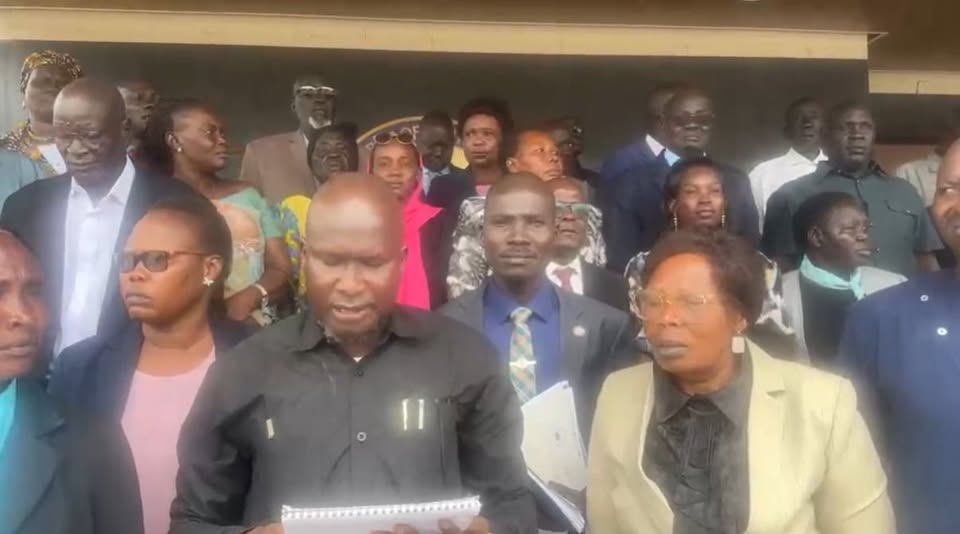
Speaking to journalists after the walkout, SPLM-IO lawmakers insisted they were not opposed to reforms or elections, but argued that any amendment to the peace agreement must emerge through broad-based consensus among all parties to the agreement.
They demanded an inclusive political dialogue involving signatories, stakeholders, and peace guarantors before any amendments are debated or adopted by parliament.
The opposition lawmakers further called on the government to prioritize the full implementation of the pending provisions of the peace agreement instead of rushing to amend it.
Among the key issues they said require urgent implementation are the unification and deployment of the Necessary Unified Forces, the reconstitution of critical institutions, constitutional-making processes, security sector reforms, and the implementation of transitional justice mechanisms outlined in the agreement.
They also urged the government to recommit itself to the agreed implementation matrix and timelines under the revitalized peace deal, warning that selective implementation risks undermining public confidence and destabilizing the fragile political transition.
“The focus should be on implementing what parties already agreed on, not changing the agreement midway,” one SPLM-IO lawmaker told reporters outside parliament.
Government officials, however, defended the proposed amendments, saying certain provisions in the agreement have become impractical and require adjustments to accommodate the realities surrounding the transition and election preparations.
Justice Minister Michael Makuei Lueth told lawmakers the proposed changes are intended to remove obstacles affecting the implementation process and help the country move toward elections expected in December 2026.
The latest standoff highlights growing political tensions within the unity government as South Sudan approaches a critical transitional period amid concerns over delayed reforms, security arrangements, and preparations for the country’s first post-independence elections.
The Legislative and Legal Affairs Committee is expected to review the amendment proposals and present recommendations to parliament before formal debate resumes.