Members of the Eastern Equatoria State Transitional Legislative Assembly have received one month’s salary covering April 2024, more than two years after the payment was due, highlighting the prolonged financial challenges facing public institutions in the state.
The delayed payment was announced on Monday by the Assembly’s spokesperson, Charles Longnolyia, who informed lawmakers to report to parliament and collect their salaries.
“We have just got one month’s salary for the month of April 2024. We don’t talk about this year. So, if you meet some of the members around there, tell them they have brought some small salary for about one month only,” Longnolyia said.
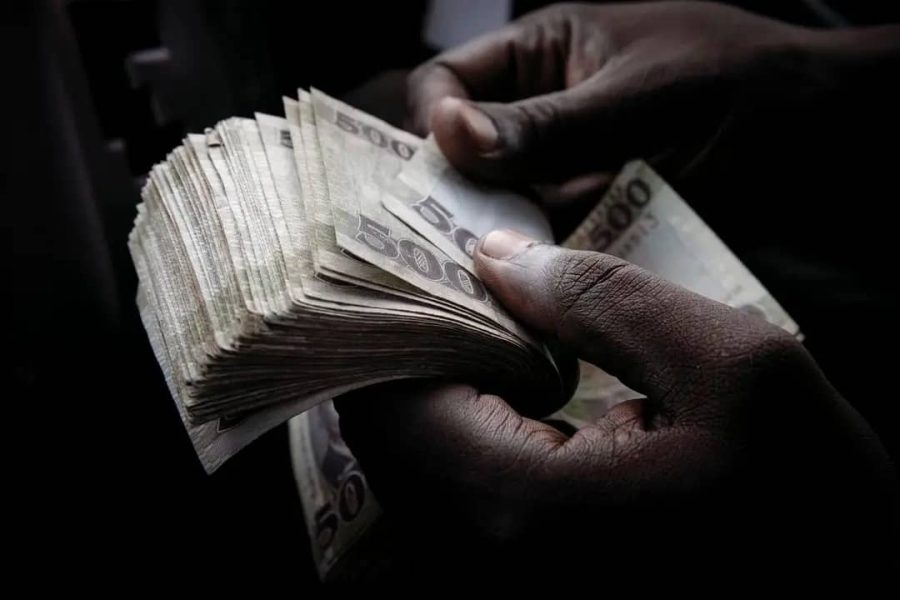
Lawmakers received between 400,000 and 600,000 South Sudanese pounds, depending on their respective positions in the Assembly.
Longnolyia said the prolonged salary arrears have left many legislators struggling financially over the past two years and have contributed to the continued closure of the state legislature.
He said the Assembly cannot resume its sittings until adequate operational funding is provided.
“Up to now, we don’t know when the Assembly will be opened. They simply tell us that it’s just the problem of money. If the money can be available, it can be open within three days. So, they can’t tell us to reopen when there is no money,” he said.
The Eastern Equatoria State Transitional Legislative Assembly went into recess in November 2025 and was expected to resume its work in January 2026.
However, the reopening has repeatedly been postponed because of financial constraints affecting the institution.
The salary payment comes as public servants across South Sudan continue to face persistent delays in receiving their wages amid an ongoing economic crisis, declining public revenues, and fiscal pressures.
The national government has previously said it is working to improve domestic revenue collection and strengthen public financial management to ensure salaries are paid more regularly.
However, salary arrears remain a major challenge for many civil servants and state institutions across the country.