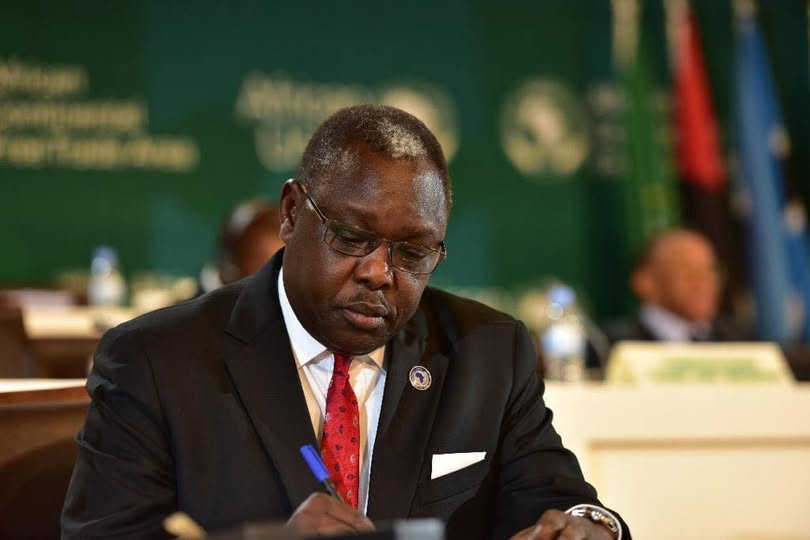
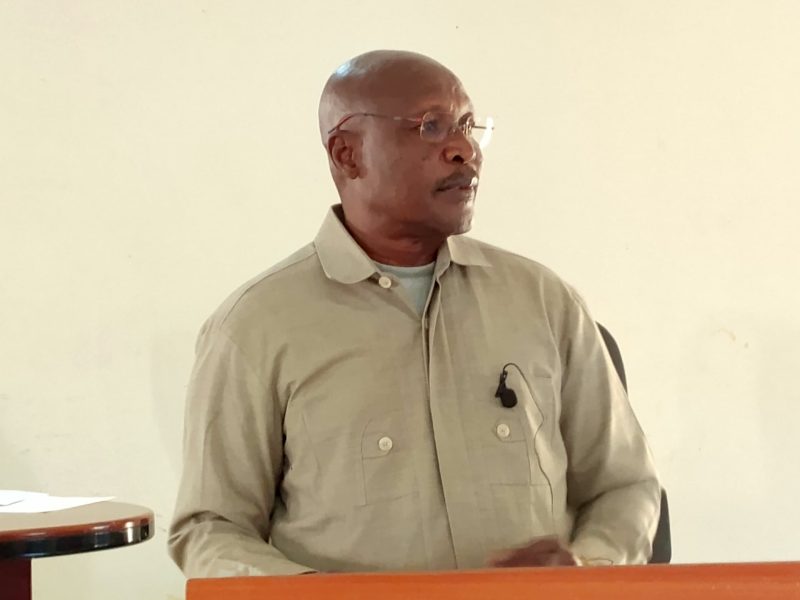
The Governor of Eastern Equatoria State, Louis Lobong Lojore, has told the Chief of Defence Forces that while the state remains largely peaceful and stable, it continues to face a range of security threats that require sustained attention from both state and national authorities.
Speaking during a meeting with the Chief of Defence Forces, Santino Deng Wol, in Torit, Governor Lobong said Eastern Equatoria has managed to maintain relative calm despite ongoing challenges linked to armed criminal activity, child abductions, cattle raiding, and logistical constraints facing security forces.
The governor attributed the state’s stability largely to a community policing approach that encourages local residents to work closely with security agencies in maintaining law and order.
He said communities across the state have played a critical role in supporting peace efforts, helping authorities respond to security incidents and prevent conflicts from escalating.
According to Lobong, the state government continues to devote its limited resources to security operations in a bid to ensure that citizens live safely in their homes and are not forced to flee across international borders in search of protection.
Despite these gains, the governor warned that serious security concerns remain.
Among the most pressing challenges, he said, are recurring incidents of child abduction and cattle raiding allegedly carried out by armed Murle groups operating in parts of the Greater Pibor Administrative Area.
Lobong claimed that some of the armed groups exploit areas occupied by SPLM/A-IO forces as temporary hideouts from which they launch attacks on local communities before retreating.
The governor also expressed concern about the activities of elements linked to the National Salvation Front (NAS), saying some fighters occasionally move from neighboring Central Equatoria State into parts of Eastern Equatoria where they allegedly collaborate with SPLM/A-IO elements to destabilize communities.
He said such movements continue to pose a threat to peace and security in some areas despite ongoing efforts by authorities to maintain stability.
On border security, Lobong emphasized that while the management of international frontiers falls under the mandate of the national government, state authorities have remained actively engaged with border communities to promote peaceful coexistence and prevent tensions.
He noted that local leaders have been working with neighboring communities across international borders to encourage trade, strengthen social ties, and address security concerns through dialogue rather than conflict.
The governor further revealed that joint border security committees have been established with neighboring countries as part of broader efforts to enhance cooperation and support peace initiatives at the community level.
Lobong also highlighted the challenges facing security personnel deployed across the state, particularly shortages of food supplies, transport, and other operational necessities.
He said inadequate logistical support continues to affect the effectiveness of security operations and called for increased assistance to enable forces to respond more effectively to emerging threats.
Responding to the governor’s briefing, Gen. Santino said his visit to Eastern Equatoria was part of ongoing efforts to advance the implementation of security arrangements under the Revitalized Peace Agreement.
The army chief explained that he was engaging with members of the SSPDF, SPLA-IO, and SSOA forces to assess progress and encourage greater cooperation among the unified forces.
He said the immediate focus is to organize all forces that have joined the government and encourage those who have not yet reported to designated assembly and training centers to do so in accordance with the peace agreement.
Gen. Santino stressed that sustainable peace in Eastern Equatoria cannot be achieved by the military alone.
He said the active participation of local communities, traditional leaders, youth, and other stakeholders remains essential to preserving stability and addressing the root causes of insecurity.
The defence chief added that the sons and daughters of Eastern Equatoria have a unique responsibility in safeguarding peace because they understand the realities and challenges facing their communities better than anyone else.
His visit comes at a time when authorities are seeking to strengthen security cooperation and accelerate the implementation of key provisions of the peace agreement amid persistent concerns over localized insecurity in several parts of the country.