A South Sudanese economist has questioned whether the government’s newly established High-Level Ministerial Committee on Economic Reform has the technical capacity needed to steer the country out of its prolonged economic crisis.
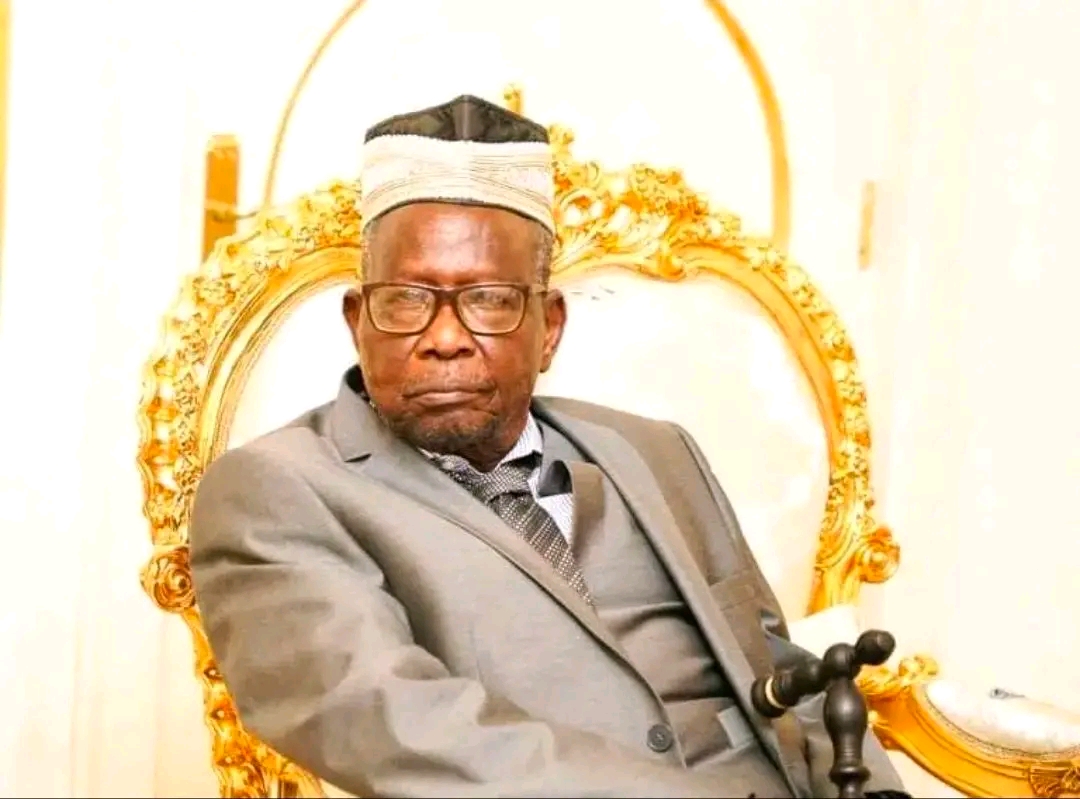
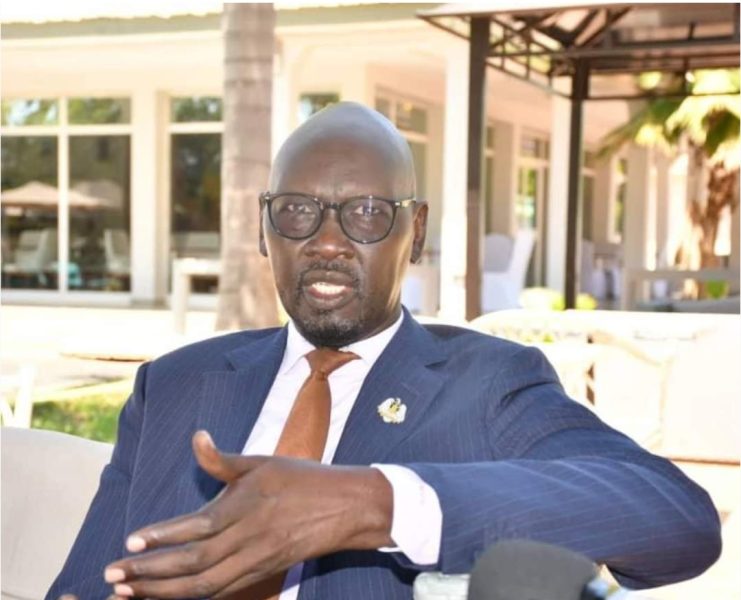
Dr. Abraham Maliet said while the creation of the committee signals the government’s intention to tackle mounting economic challenges, ministers alone cannot deliver the complex reforms required without support from technical experts.
The committee was established to restore economic stability, strengthen public financial management, improve cash circulation, ensure timely payment of salaries for civil servants and security forces, and boost domestic revenue collection.
Speaking to reporters, Maliet said successful economic reform depends on expertise in areas such as taxation, revenue administration and public finance management.
“What I was thinking, after forming that high-level committee to reform the economy, is that there is a requirement for technical know-how,” he said.
He argued that ministers set policy direction but rely on specialists to design and implement reforms.
“How do you reform taxation? A minister will not know how to replace, capture and collect revenue. The technical people will know it,” Maliet said.
He urged the government to establish a technical secretariat to advise the committee and develop practical strategies for increasing both oil and non-oil revenues.
According to Maliet, South Sudan already has qualified economists, tax specialists and public finance professionals who could provide the expertise needed to support the reform agenda.
He said the greater challenge is not the shortage of skilled personnel but the willingness to implement difficult decisions.
“If the President says today that this cargo is sold for salaries, it will be sold for salaries. What is really missing is the political will to implement these decisions. Otherwise, we will keep running in circles,” he said.
The High-Level Ministerial Committee is chaired by East African Community Affairs Minister Pieng Deng Majok and brings together senior government officials, including Information Minister Ateny Wek Ateny, Finance Minister Daniel Kuol Ayulo, Trade Minister Dr. Labanaya Margaret Mathia, Livestock and Fisheries Minister Onyoti Adigo Nyikec, Central Bank Governor Johnny Ohisa Damian, South Sudan Revenue Authority Commissioner General Moun Deng Ajuet, Finance Ministry Undersecretary Malual Tap Diu and the President’s Economic Adviser.
The committee has been tasked with spearheading economic reforms and addressing persistent delays in salary payments for civil servants and members of the organised forces.
During its inaugural meeting on Wednesday, committee rapporteur and Information Minister Ateny Wek Ateny said members discussed several immediate measures, including reviewing and cancelling non-statutory tax exemptions granted to individuals.
He also announced that salary payments had begun, with some ministries, members of the organised forces and several state governments already receiving one month’s pay.
Despite welcoming the government’s efforts to confront the economic crisis, Maliet questioned whether establishing another committee would address the underlying problems facing the economy.
He noted that South Sudan already has an Economic Cluster responsible for coordinating economic policy and said the relationship between the new committee and the existing structure should be clearly defined.
“The problem is implementation. Forming another committee on top of the Economic Cluster is something that needs to be worked out. Where does this committee fit? If it is purely economic, then it should work through the economic sector structures,” he said.
Maliet called on the leadership of both the new committee and the Economic Cluster to coordinate their work, identify institutional gaps and ensure that reform decisions are backed by technical expertise and effectively implemented.
His remarks come as South Sudan continues to grapple with inflation, declining public revenues, delayed salary payments and mounting pressure to diversify the economy beyond its heavy dependence on oil.