Ezra Construction and Development Group has announced that it will comply with President Salva Kiir’s directive to cut electricity tariffs in Juba, with the new pricing expected to take effect on November 1, 2025.
The decision follows weeks of uncertainty and public debate after the company initially resisted the presidential order.
The announcement marks a significant reversal for Ezra, the majority shareholder in the Juba Electricity Distribution Company (JEDCO), which earlier argued that the directive “lacked the necessary clarity” for immediate implementation.
A leaked internal memo this week revealed that the company had instructed JEDCO to maintain the existing tariff structure and continue operations under current contracts, pending further consultations with government authorities.
Ezra had sought urgent discussions with the Ministry of Energy and Dams and the South Sudan Electricity Corporation (SSEC) to clarify the basis and modalities of the tariff change.
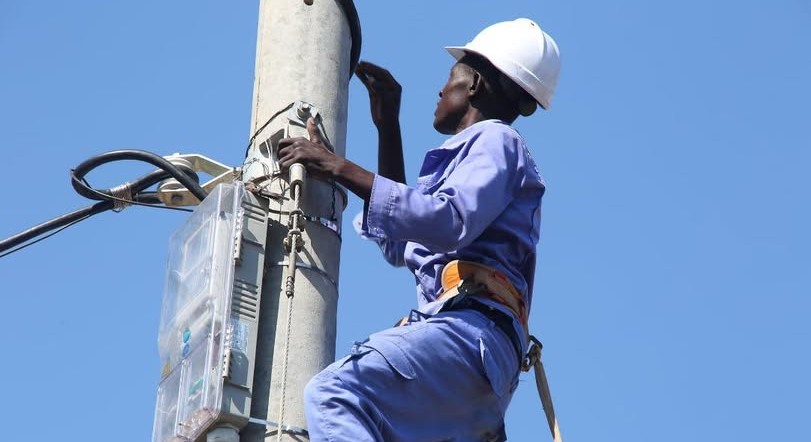
The company also stressed the importance of safeguarding its substantial investment in Juba’s power infrastructure, which has been crucial to expanding electricity access in the capital.
President Kiir issued the directive last month in response to mounting public frustration over the high cost of electricity, among the most expensive in the region which has placed significant pressure on households and businesses already grappling with inflation and economic hardship.
The move was widely welcomed by the public as a much-needed step toward making electricity more affordable.
With Ezra now committing to the November 1 timeline, residents and business owners are anticipating significant relief in their monthly utility bills.
The government has yet to issue an official response to Ezra’s decision, but the policy shift is expected to be seen as a political win for the Kiir administration and a victory for consumer advocacy groups that have long campaigned for lower electricity costs.
If implemented smoothly, the tariff cuts could mark a turning point in efforts to make basic services more affordable in one of Africa’s youngest nations.