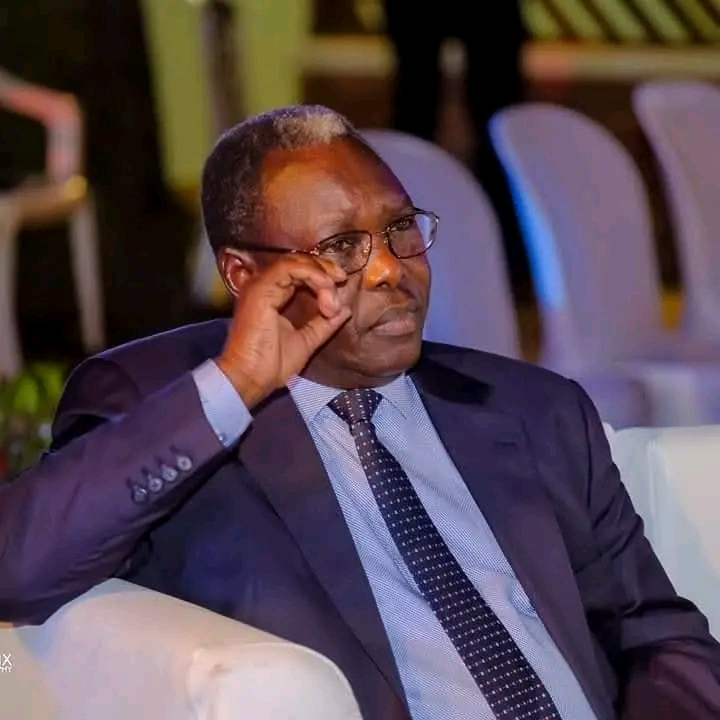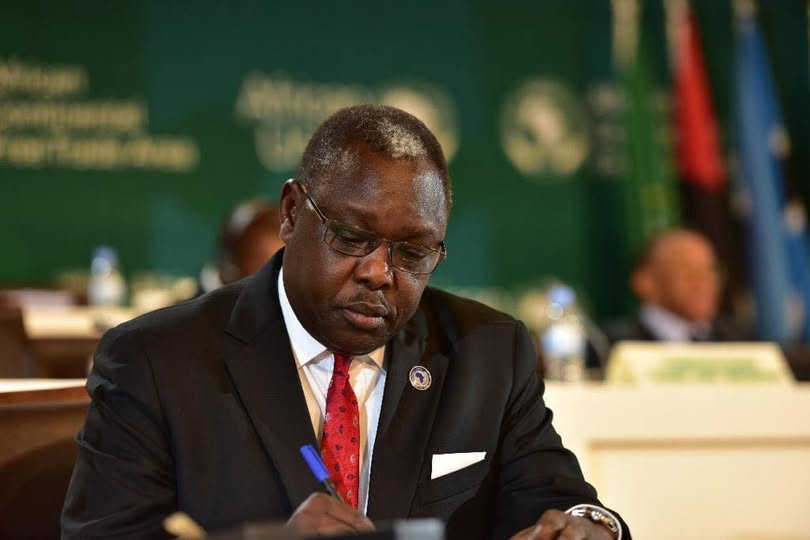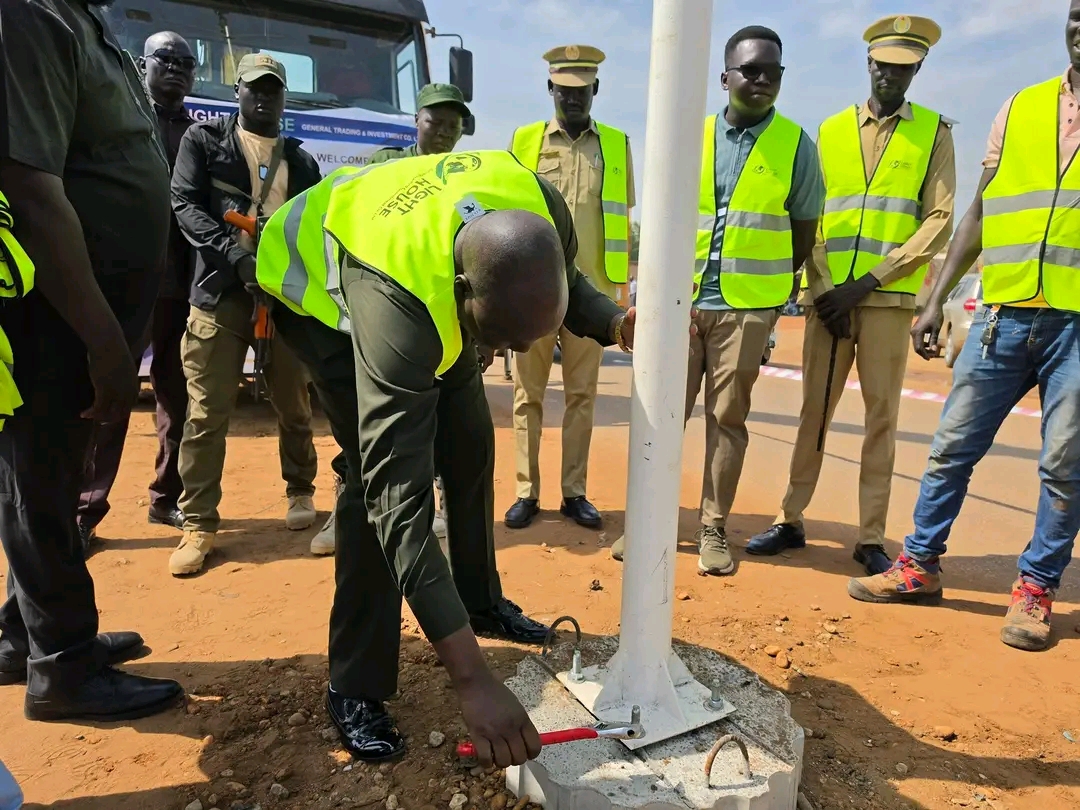
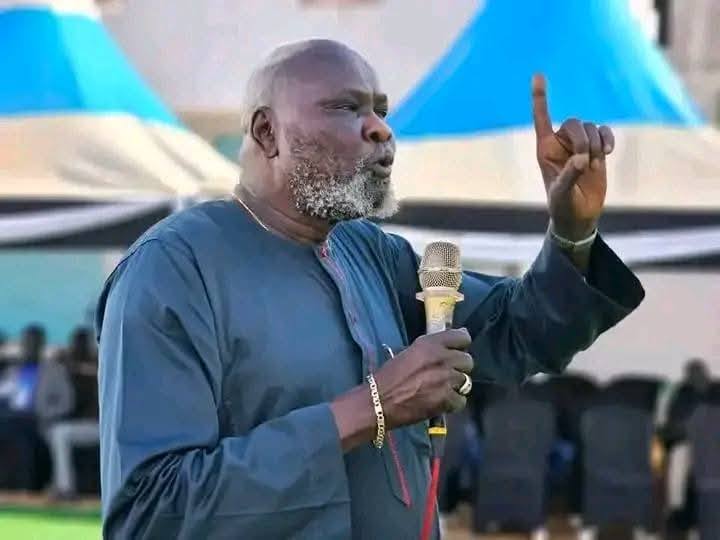
Tension continued to build in Juba on Wednesday after remarks made by senior diplomat Amb. Garang Deng Aguer triggered widespread political debate and fueled rumors of his possible arrest.
The former ambassador came under intense public attention this week after a video of his speech circulated widely across social media platforms, drawing mixed reactions from politicians, activists, and members of the public.
Speaking during a public gathering in Juba, Garang dismissed claims that tribalism is the main driver behind political and military actions in South Sudan.
Instead, he argued that the country’s crisis is rooted in political control and the targeting of opponents by groups in power, regardless of ethnicity.
“Whoever said there is tribalism in South Sudan is joking. It’s a group of people who control and target whoever opposes them, regardless of your ethnicity or tribe,” Garang said in the now-viral speech.
His comments quickly spread online, with many interpreting the remarks as a rare and direct criticism of the country’s political system.
Others viewed the speech as an attempt to challenge the long-standing narrative that ethnic divisions alone are responsible for violence and political tensions in South Sudan.
The ambassador further stirred debate after claiming that military operations in some Nuer-majority areas were being carried out by members of the same community, arguing that political loyalty had become more important than tribal identity.
He compared the situation to Uganda’s political doctrine under President Yoweri Museveni, describing it as a strategy of “protecting the gains” of those in power.
“When we are protecting our gains, we target anyone that comes our way, even if he is our blood brother,” he said.
The remarks immediately sparked speculation in political circles, with unconfirmed reports emerging that security authorities could move against him over the statements.
By Thursday morning, concern had visibly grown among members of the Aweil community in Juba.
Dozens of youth leaders, elders, and community members gathered at Garang Deng’s residence, where they held a press briefing expressing solidarity with the veteran diplomat amid rumors of his imminent arrest.
The gathering was organized by members of the Aweil Youth Union alongside other community representatives.
Speakers at the event appealed directly to President Salva Kiir to intervene and ensure that no action is taken against Garang.
They described him as a peaceful national figure who has consistently advocated for dialogue, unity, and stability in the country.
Community leaders warned that any attempt to arrest him over his political remarks could escalate tensions and create unnecessary divisions.
At the same time, they reaffirmed their loyalty to the government and stressed that their concerns should not be interpreted as rebellion or political confrontation.
“We are appealing for calm and dialogue. Amb. Garang is not calling for violence. He is expressing political opinions as a senior citizen and national figure,” one youth representative said during the briefing.
The incident has since generated intense discussion across South Sudanese social media, with supporters praising Garang for speaking openly about political repression, while critics accused him of making inflammatory statements capable of deepening mistrust.
Political observers say the reaction surrounding the speech reflects growing public sensitivity over issues of power, dissent, and freedom of expression in South Sudan’s fragile political environment.
Others argue that the swift mobilization by the Aweil community highlights fears among citizens that outspoken political figures may increasingly face pressure for expressing controversial views.
As speculation continues, authorities have not publicly commented on the rumors surrounding Garang Deng’s alleged arrest.
The silence has only added to uncertainty, with supporters closely monitoring developments around the veteran diplomat’s security and political future.
Meanwhile, Garang himself has continued calling for national unity, urging South Sudanese communities to speak with one voice in confronting the country’s political challenges rather than deepening ethnic divisions.