
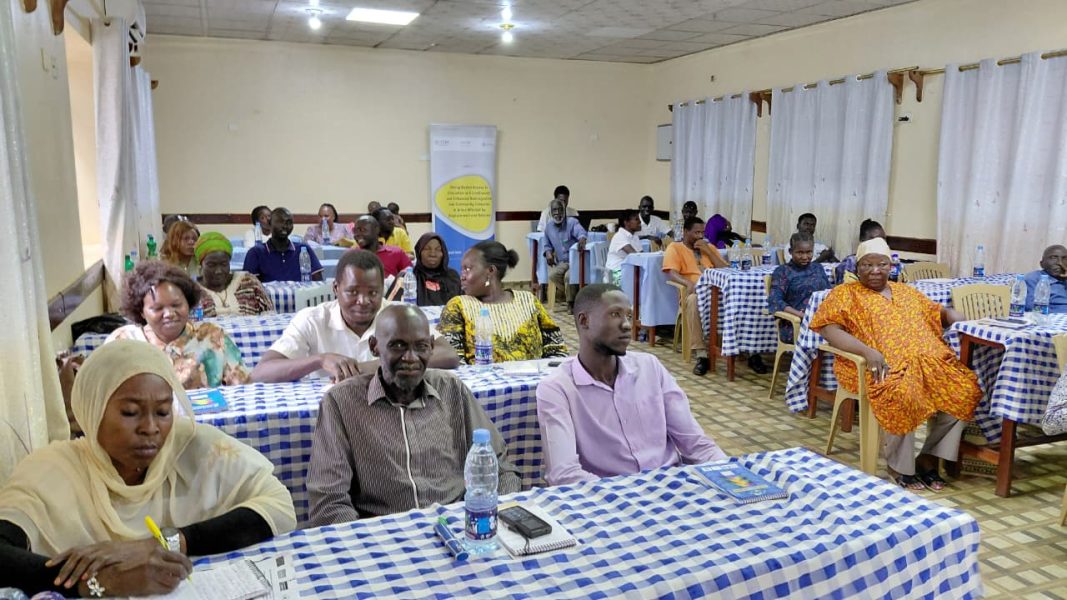
A peacebuilding programme implemented by the International Organization for Migration is beginning to deliver tangible results in Western Bahr el Ghazal and parts of Warrap State, as communities increasingly turn to dialogue to resolve disputes and rebuild social cohesion.
The initiative, part of a broader United Nations joint programme, integrates peacebuilding with livelihoods and education an approach aimed at addressing the root causes of conflict while promoting long-term stability.
Initially scheduled to conclude in 2025, the project has now been extended to mid-2026 to consolidate early gains and expand its reach.
According to Sergios Pons Ukola, the programme is designed to go beyond traditional conflict resolution by linking peace efforts with economic opportunities and access to education.
“We are linking peacebuilding with livelihoods and education to ensure communities not only resolve conflicts but also build sustainable futures,” he said.
A central pillar of the initiative is strengthening the capacity of civil society to lead peace efforts at the local level.
So far, ten community-based organizations have been supported to facilitate dialogue and engagement activities marking a shift toward locally driven solutions.
“We are moving from theory to practice,” said James Umuor Maciek following a two-day peace dialogue in Wau County.
The forum brought together youth, women, traditional leaders, and government officials to discuss pressing sources of conflict.
Participants identified cattle-related disputes, hate speech, and concerns surrounding upcoming elections as key drivers of tension.
They also emphasized the importance of early warning systems to detect and prevent violence before it escalates.
Despite these positive developments, stakeholders caution that significant challenges remain. Maciek noted that many of the most conflict-affected communities are yet to be reached.
“Dialogue must go deeper into communities,” he said, stressing the need for more inclusive and localized engagement.
Recurring tensions between host communities and pastoralist groups continue to fuel insecurity in parts of the region.
These conflicts are often rooted in historical grievances, economic hardship, and political dynamics, underscoring the complexity of the peacebuilding process.
Government officials say the programme is already helping to rebuild trust at the community level.
Al-Fateh Abkar Ambini highlighted the role of dialogue platforms and peace committees in reducing tensions and countering misinformation.
“These engagements are strengthening social cohesion and preparing communities for credible elections,” he said.
At the grassroots level, traditional leaders report a noticeable shift in attitudes, particularly among young people.
Paramount Chief Emilio Ulau Bagari said recent dialogues have helped bridge generational divides between youth and elders.
“Youth are the future leaders, and engaging them is essential,” he noted, while warning that misinformation remains a significant threat to stability.
Faith-based organizations are also playing a critical role in reinforcing peace messages. Rev. Angelina Ayen Chagai said churches are using sermons and community outreach to promote reconciliation and responsible information sharing.
Supporting partners, including the United Nations Children’s Fund and the World Food Programme, are complementing peace efforts with livelihood initiatives aimed at addressing youth unemployment widely seen as a key driver of conflict.
While the programme is entering its final phase, concerns remain over the sustainability of progress, particularly amid uncertainty about future funding.
Nevertheless, stakeholders agree that the initiative demonstrates the potential of community-led approaches in building lasting peace.
“People are beginning to see that violence is not the solution dialogue is,” Maciek said.
As the project moves toward completion, its long-term success may depend on whether local actors can sustain and expand these efforts beyond external support shaping a more stable and cohesive future for communities across the region.