
Community leaders in Greater Kapoeta have called for greater accountability from mining companies, demanding that local communities benefit from the region’s mineral wealth.
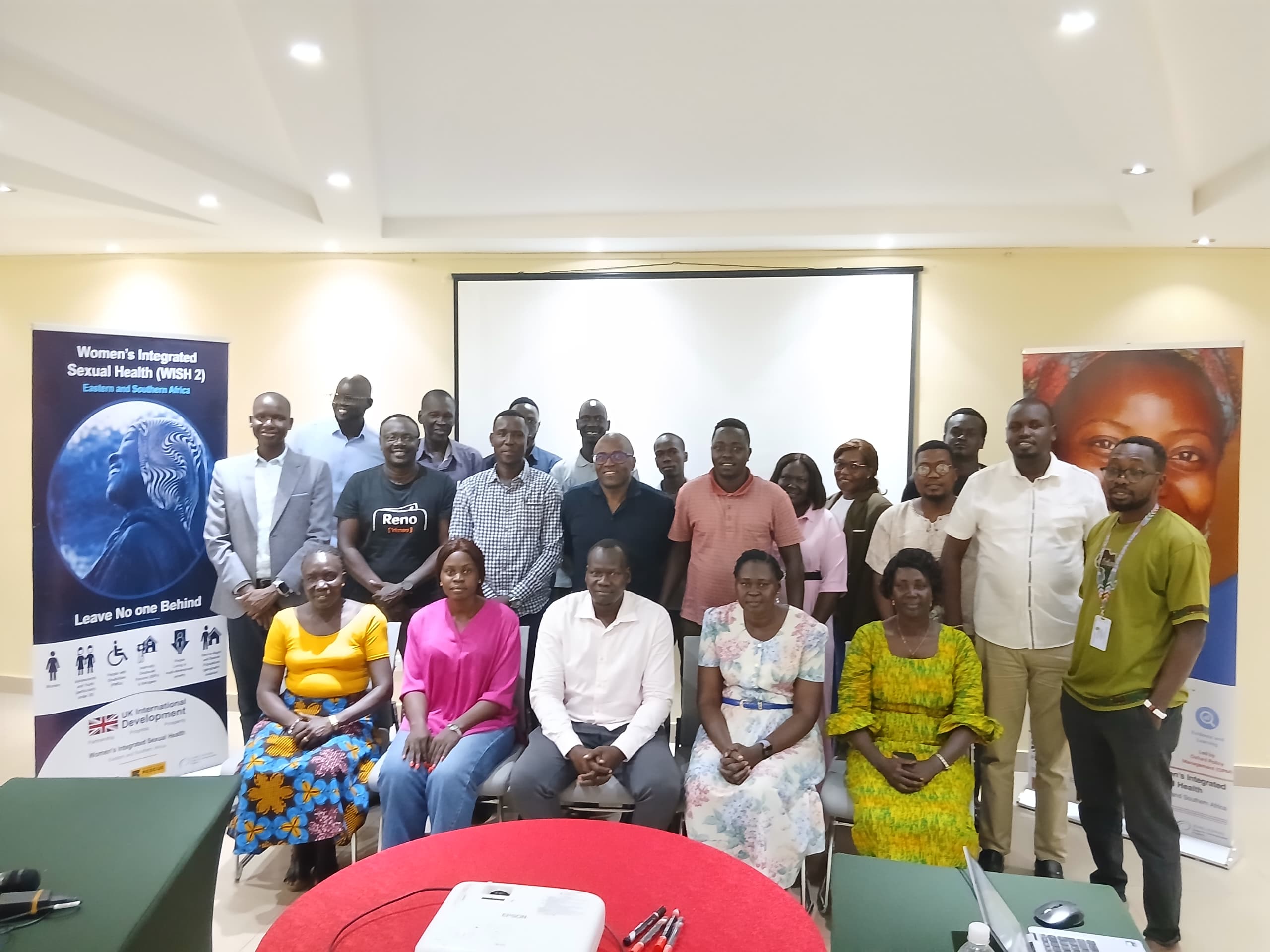
The call was made during a two-day forum organized by CSCNR, bringing together stakeholders from across Greater Kapoeta to assess mining activities and review community development commitments.
Participants examined the implementation of South Sudan’s Mining Act of 2012 and various Memorandums of Understanding (MOUs) signed between mining companies and host communities.
Discussions centered on community development agreements, environmental protection, corporate social responsibility, local employment, and public participation in decisions affecting mining operations.
Community members expressed concern that despite the region’s significant mineral wealth, many residents continue to see limited benefits from mining activities taking place on their land.
Speaking at the conclusion of the forum, youth leader Longokwo Nakeno from Nakeke mining area criticized what he described as the exclusion of local residents from employment opportunities within mining companies.
“I am from Nakeke, one of the mining areas. The situation I have observed regarding a mining company operating in our community is concerning,” Nakeno said.
According to him, many companies recruit workers from outside the region for positions ranging from drivers and cooks to administrative staff, while local residents are often limited to low-paying security jobs.
“The company brought in nearly all of its employees from outside the area, including cooks, drivers, and even cleaners, while locals are hired only as security guards.
This is a severe failure to provide employment opportunities for the sons and daughters of this area and could have significantly helped reduce extreme poverty and youth idleness,” he said.
Nakeno further alleged that local employees who are hired often receive low wages despite carrying out demanding tasks, raising concerns about labor conditions and fair compensation.
Beyond employment, participants also questioned the pace of implementation of community development projects promised under agreements signed with local communities.
Nakeno acknowledged ongoing efforts by one mining company to construct a health facility but argued that several other commitments remain unfulfilled.
“While the company is currently constructing a health facility, it has failed to renovate local schools.
Although teachers were recruited two years ago, they have not been incentivized to begin educating our children.
For a population of thousands, the company has drilled only one borehole instead of constructing a water yard that can adequately meet community needs,” he said.
Community representatives said access to clean water, quality education, healthcare services, and improved infrastructure remain among the most urgent needs in mining-affected areas.
Environmental concerns also featured prominently during the discussions, with residents warning that poor mining practices could have long-term consequences for both communities and ecosystems.
Participants cited abandoned mining pits, inadequate rehabilitation of mining sites, and improper disposal of chemicals used in gold extraction as major threats to public health and environmental sustainability.
“The environmental impacts are dangerous for our citizens, livestock, and wildlife. Open pits abandoned by previous companies remain hazardous, and chemical by-products used to wash gold are poorly managed.
This improper disposal pollutes our environment and groundwater, leading to miscarriages among women and the death of livestock,” Nakeno said.
Community leaders called on government regulators to strengthen oversight of mining operations and ensure companies comply with environmental standards and restoration requirements.
Representing the Kapoeta Women’s Advocacy Group (KWAG), Roseline Nakopir urged mining companies to fully implement commitments outlined in existing agreements with host communities.
She emphasized that communities expect tangible improvements in their living conditions, particularly in areas of water access, education, healthcare, and environmental protection.
“We call upon mining companies to fulfill their commitments, including providing clean drinking water, scholarships, improved school facilities, qualified teachers, healthcare services, and environmental safeguards,” Nakopir said.
Nakopir also stressed the importance of stronger cooperation among government authorities, mining companies, and local communities to ensure development projects are effectively implemented and monitored.
Meanwhile, CSCNR Programme Officer Gizam Moses said the coalition remains committed to promoting transparency, accountability, and citizen participation in South Sudan’s extractive sector.
“For the first time, I feel confident in our advocacy campaign for community inclusion in Greater Kapoeta. Five years ago, there was very little information available regarding mining contracts and the legality of mining operations,” Moses said.
He noted that several companies, including Nakeke, ASWA, Prudential, and Zerani, have signed agreements with communities aimed at supporting development initiatives and road construction under the coordination of the Eastern Equatoria Mining Corporation and its partners.
While acknowledging progress in formalizing community-company relations, Moses said implementation remains a major challenge.
“The signing of agreements is a positive step, but there is still a need for greater awareness and stronger implementation. We call upon the government, mining companies, and local communities to proactively coordinate their roles to realize these agreed outcomes,” he said.
Moses added that CSCNR will continue conducting public awareness campaigns and advocacy initiatives to ensure citizens understand their rights regarding service delivery, infrastructure development, environmental protection, and participation in natural resource governance.