Health leaders, medical professionals, and development partners have called for increased investment in nurses and midwives across South Sudan, warning that the country’s healthcare system cannot improve without stronger support for frontline health workers.
The call was made during national celebrations marking International Nurses Day and the International Day of Midwives in Juba, where speakers praised nurses and midwives for their dedication and resilience despite difficult working conditions.
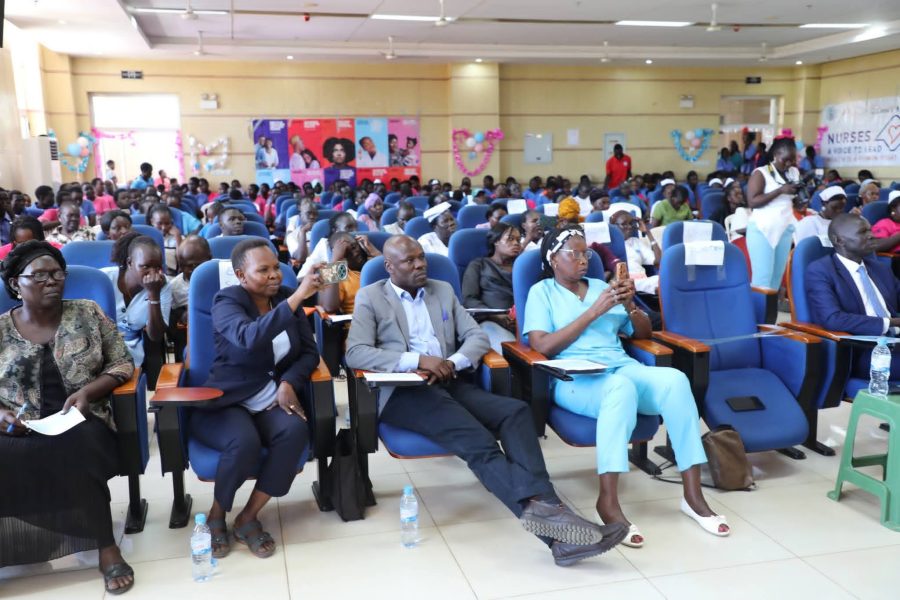
The event brought together officials from the Ministry of Health, representatives from development organizations, medical practitioners, students, and professional associations from across the country.
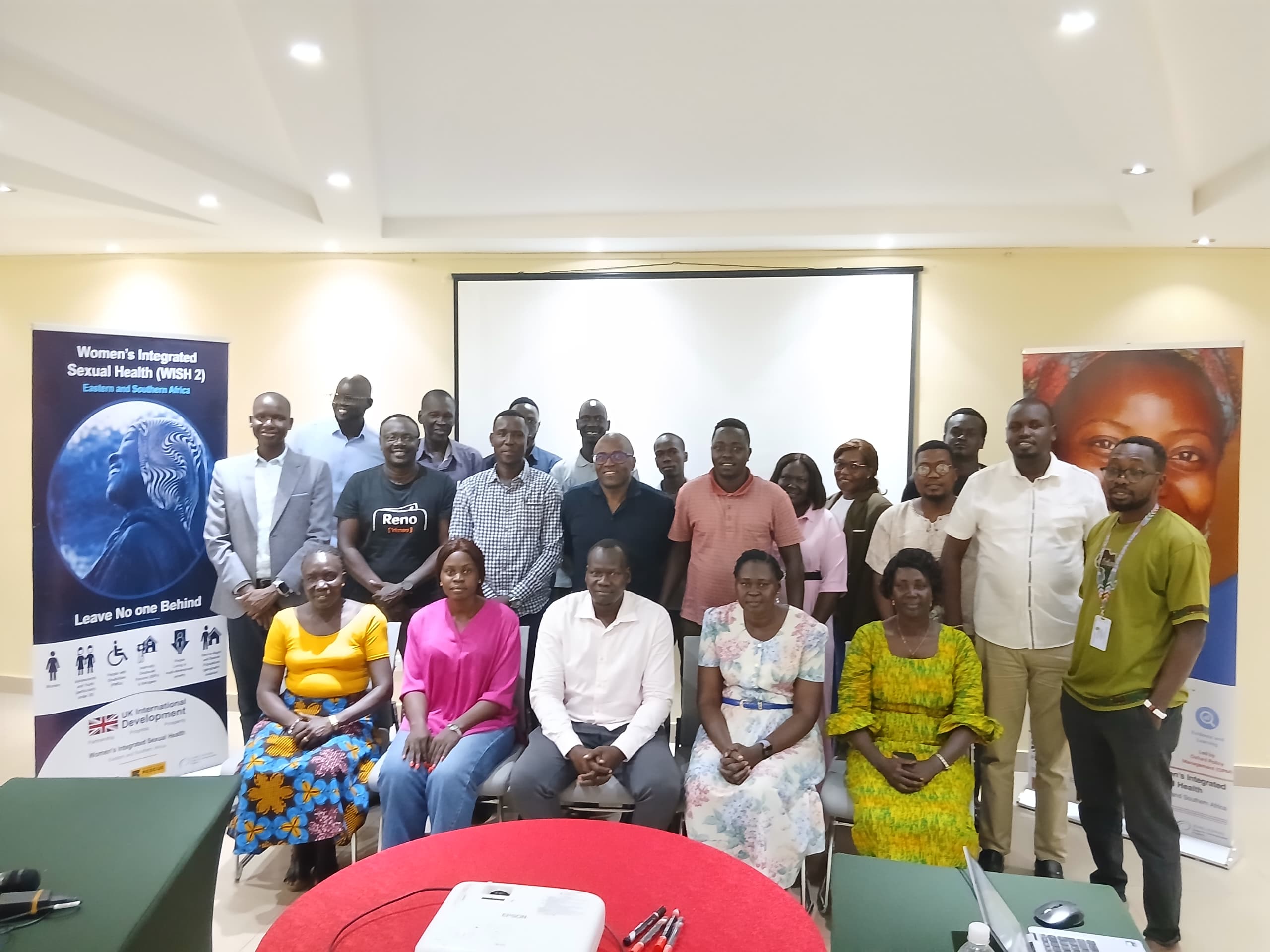
Among those recognized during the celebration were representatives from the State Ministry of Health, UNFPA, AMREF Health Africa, Juba Teaching Hospital, Health Sciences Institutes, and several nursing and midwifery associations.
Speaking during the event, Repent Khamis George said the occasion was not only meant to celebrate nurses and midwives but also to acknowledge the critical role they play in sustaining South Sudan’s fragile healthcare system.
“This gathering is more than a celebration. It is a moment to recognize and appreciate the incredible role that nurses and midwives play in protecting health, dignity, and the future of our people,” he said.
Referring to this year’s international themes, “Our Nurses, Our Future: Empowered Nurses Save Lives” and “One Million More Midwives,” Repent said the messages strongly reflect the realities facing South Sudan’s health sector.
He noted that the country continues to face high maternal and newborn mortality rates, shortages of trained health personnel, inadequate medical facilities, and limited access to healthcare services, particularly in rural communities.
According to him, conflict, displacement, economic hardship, and climate-related emergencies have further weakened healthcare delivery across the country.
Despite these challenges, Repent praised nurses and midwives for continuing to serve communities under difficult circumstances.
“You are the first people communities turn to in times of need. You are there when mothers are giving birth, when children are sick, and when families are facing moments of fear and uncertainty,” he said.
He acknowledged that many healthcare workers continue to operate in facilities with shortages of medicines, medical supplies, equipment, and delayed salaries.
“Many of you work long hours with limited support, yet you remain committed to saving lives and caring for communities,” he added.
Repent stressed that improving healthcare delivery in South Sudan requires greater investment in education, training, leadership opportunities, and better welfare for nurses and midwives.
He called on the government and development partners to prioritize timely payment of salaries and incentives, improved staffing, continuous professional development, and safer working environments in health facilities.
He also emphasized the importance of investing in maternal and newborn healthcare, saying midwives remain essential in reducing preventable deaths among mothers and babies.
“Every trained and supported midwife means safer deliveries, healthier mothers, stronger families, and healthier communities,” he said.
Repent further encouraged nurses and midwives to embrace innovation, digital healthcare systems, leadership, and lifelong learning as the medical profession continues to evolve.
“Never underestimate the importance of your work. You are not only healthcare workers; you are lifesavers and the backbone of the healthcare system,” he told participants.
Meanwhile, Rev Janet Michael urged nurses and midwives to remain committed to serving communities and to recognize the value of their contribution to society.
“Be the light in the darkness. Don’t underestimate your power and contribution to this country,” she said.
Rev Janet also highlighted progress made in strengthening nursing and midwifery education in South Sudan through partnerships with organizations such as UNFPA and the International Confederation of Midwives.
She called on health workers to continue serving with compassion and professionalism despite the economic hardships affecting the country.
The celebration concluded with renewed appeals for stronger investment in frontline healthcare workers, with participants emphasizing that empowering nurses and midwives is key to building a stronger and more resilient healthcare system in South Sudan.