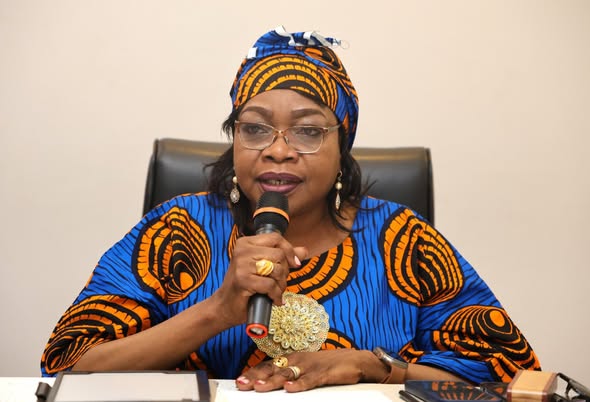
South Sudan’s Minister of Health, Sarah Cleto Rial, has called for immediate and decisive action to address persistent weaknesses undermining the country’s health system, warning that delays could further worsen already critical health indicators.
The call was made during a high-level briefing with the National Malaria Control Program (NMCP), the Health Systems Transformation Project (HSTP) Project Management Unit, and development partners, where the minister was updated on key developments shaping the health sector.
Discussions focused on the strategic direction of the Malaria Department, including its goals, objectives, vision, and mission, alongside progress reports on HIV and tuberculosis programs.
Officials also reviewed efforts to integrate these disease-specific interventions into broader health services under the HSTP framework.
Minister Rial was further briefed on findings from a recent Implementation Support Mission, which assessed ongoing initiatives aimed at strengthening South Sudan’s fragile health system and improving service delivery nationwide.
In her remarks, the minister highlighted high maternal mortality rates, poor nutrition outcomes, continued looting of health facilities, and weak medical supply chains as some of the most urgent challenges facing the sector.
She stressed the need for a government-led, comprehensive response to reverse these trends.
Rial emphasized that continued international support would depend largely on increased domestic financing and the effective implementation of reforms in health financing, medical supply management, workforce development, and community engagement.
She also called for the development of a clear, time-bound action plan to accelerate progress during the remaining program period, saying stronger coordination and accountability are essential to building a more resilient and responsive healthcare system in South Sudan.