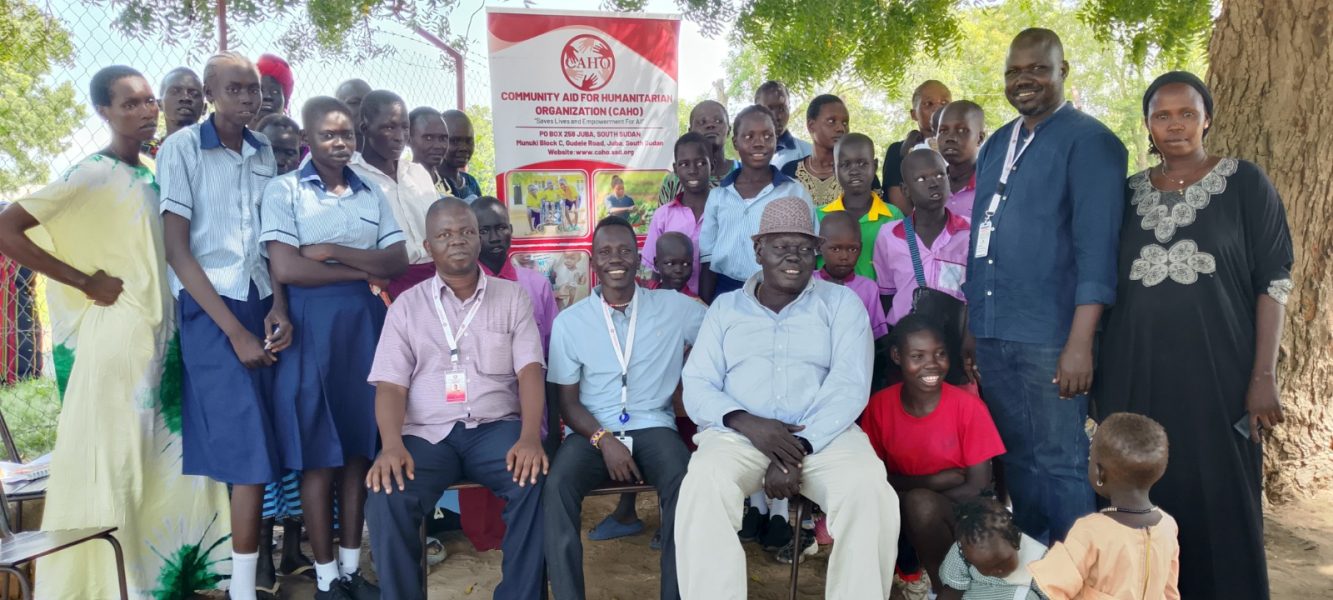
Inclusive education and livelihood initiatives are bringing positive change to vulnerable families across Terekeka County, helping improve access to education, strengthen household incomes, and promote greater social inclusion for children with disabilities.
The interventions, implemented by the Community Aid for Humanitarian Organization (CAHO), have reached communities in Muni, Nyori, Reggo, and Terekeka payams, where residents say the programs are creating new opportunities for families that have long faced social and economic challenges.
Community members report that awareness of the rights of persons with disabilities has increased significantly, encouraging more parents to enroll their children in school and participate actively in their education.
Local leaders say the initiatives are helping to challenge long-held misconceptions about disability and fostering a culture of acceptance and equal opportunity.
In Reggo Payam, community representative Jacob Morji said the programs have had a noticeable impact on both children and their families.
“We have seen encouraging changes within our community. Children with disabilities are receiving greater support, parents are becoming more engaged in their education, and many households have benefited from opportunities to improve their livelihoods,” he said.
Alongside educational support, livelihood activities have enabled vulnerable households to establish small businesses and engage in income-generating ventures.
Beneficiaries say the additional income has helped them meet basic household needs, support their children’s schooling, and improve their overall living conditions.
Local authorities and community leaders have welcomed the participatory approach adopted by CAHO, noting that residents are directly involved in identifying priorities and developing solutions tailored to local needs.
They say this has strengthened community ownership and increased the sustainability of development efforts.
Efforts to promote social inclusion have also been central to the initiative. Through community dialogues, awareness campaigns, and engagement with parents, teachers, traditional leaders, and local authorities, the program has helped address stigma and discrimination faced by persons with disabilities.
Residents say these conversations are fostering greater understanding and acceptance, creating an environment where children and adults with disabilities can participate more fully in education, social activities, and community development.
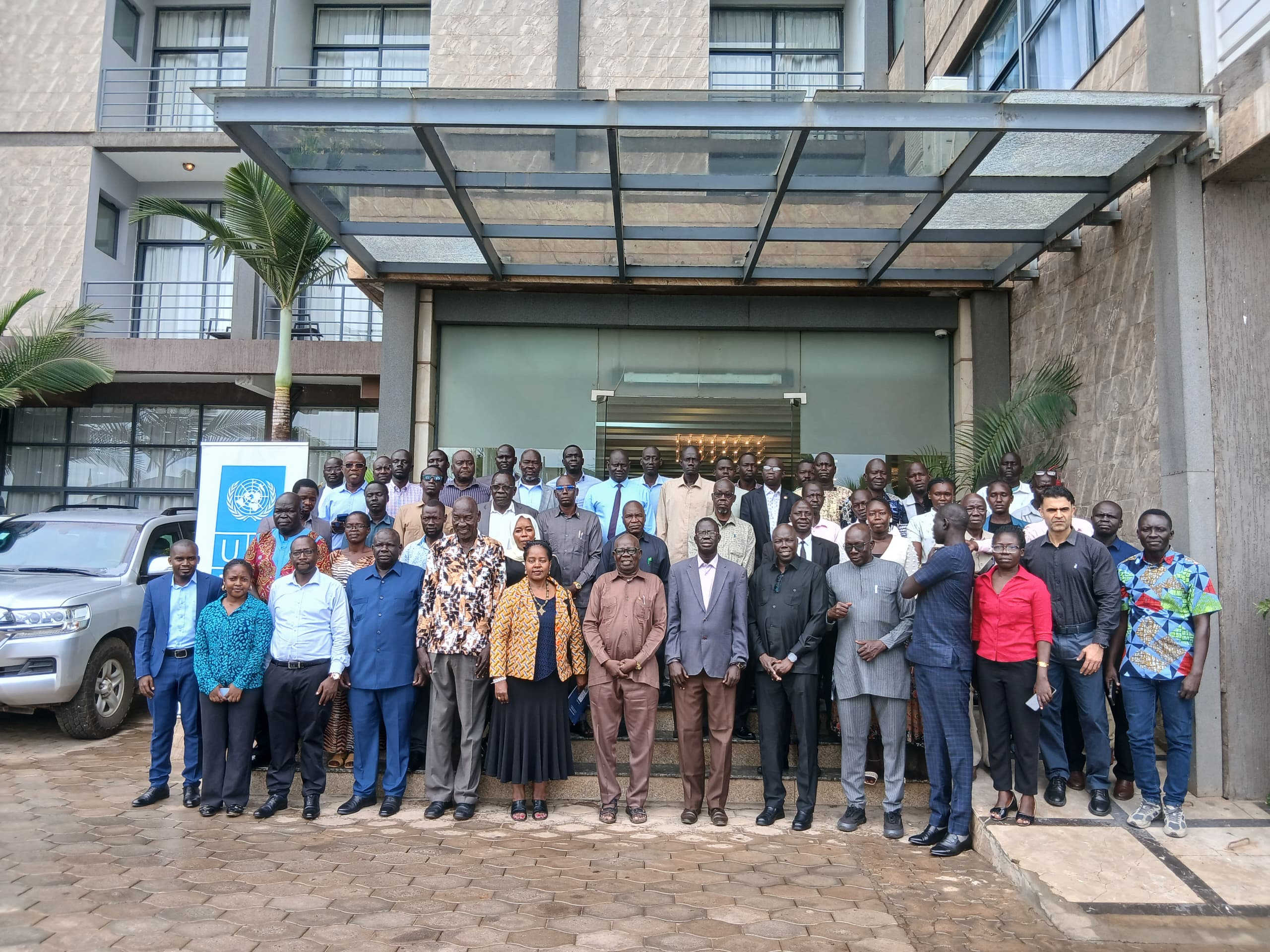
Speaking during a community engagement session, CAHO Livelihood Officer Taban James reaffirmed the organization’s commitment to supporting vulnerable populations and expanding opportunities for inclusive development.
“Our goal is to ensure that no one is left behind. We are encouraged by the progress communities are making and remain committed to expanding opportunities in education, livelihoods, and social inclusion for vulnerable groups,” he said.
As the initiatives continue, community members have called for sustained support and the expansion of similar programs to reach more vulnerable households across the county.
Many expressed optimism that continued investment in inclusive education and economic empowerment will help build stronger, more resilient communities and create better prospects for future generations.
CAHO is a South Sudanese non-governmental organization working to promote inclusive education, livelihood development, social inclusion, community empowerment, and humanitarian assistance for vulnerable populations across the country.