
Proceedings in the trial of suspended First Vice President Dr. Riek Machar Teny and seven co-accused were abruptly halted on Friday after judges ruled that forensic documents submitted by a prosecution expert were disorganised and failed to correspond with the case file.
The Special Court had convened for its 51st session, during which the defence was scheduled to cross-examine a South African digital forensic expert who has been presenting evidence extracted from electronic devices allegedly linked to some of the accused.
At the opening of the session, Judge Stephen Simon noted that the day’s hearing was meant to proceed with cross-examination, following earlier delays caused by confusion surrounding digital reports and supporting documents submitted by the expert.
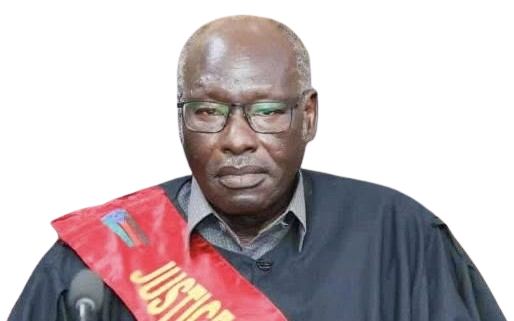
However, Presiding Judge Dr. James Alala told the court that upon reviewing the expert’s report, the judicial panel was taken aback by what it described as poor organisation and a lack of alignment between documents and the evidence they were meant to support.
“The panel was surprised to find that the documents do not correspond properly,” Judge Alala said, indicating that the inconsistencies raised serious concerns about the integrity and usability of the material before the court.
Following the remarks, the presiding judge invited both the defence and prosecution teams to approach the bench for a closed discussion and ordered members of the public to leave the courtroom or wait outside, effectively suspending open proceedings.
The development comes after repeated objections from the defence, which has argued that the forensic evidence is compromised.
Defence lawyers have previously accused the prosecution of mixing original documents with altered or amended versions, creating discrepancies between reports submitted to the court and copies provided to the accused.
According to the defence, such inconsistencies undermine the credibility of the digital evidence and make meaningful cross-examination impossible.
After deliberations, the court adjourned the matter to Monday, 16 February 2026, to allow time for the issues surrounding the expert reports to be addressed before proceedings can resume.
The trial, which has drawn significant public and political attention, has been repeatedly delayed due to procedural disputes over digital evidence, with Friday’s adjournment marking the latest setback in the high-profile case.