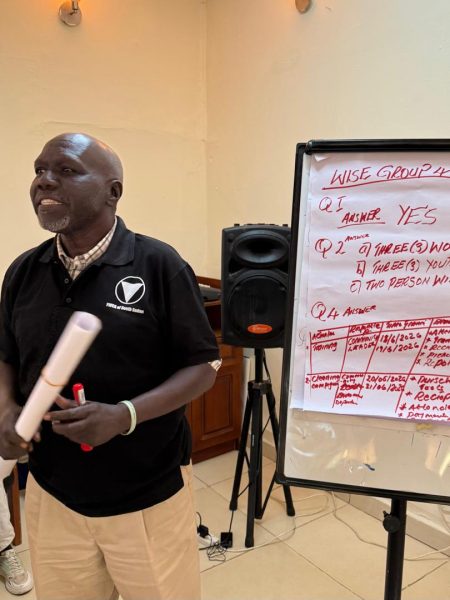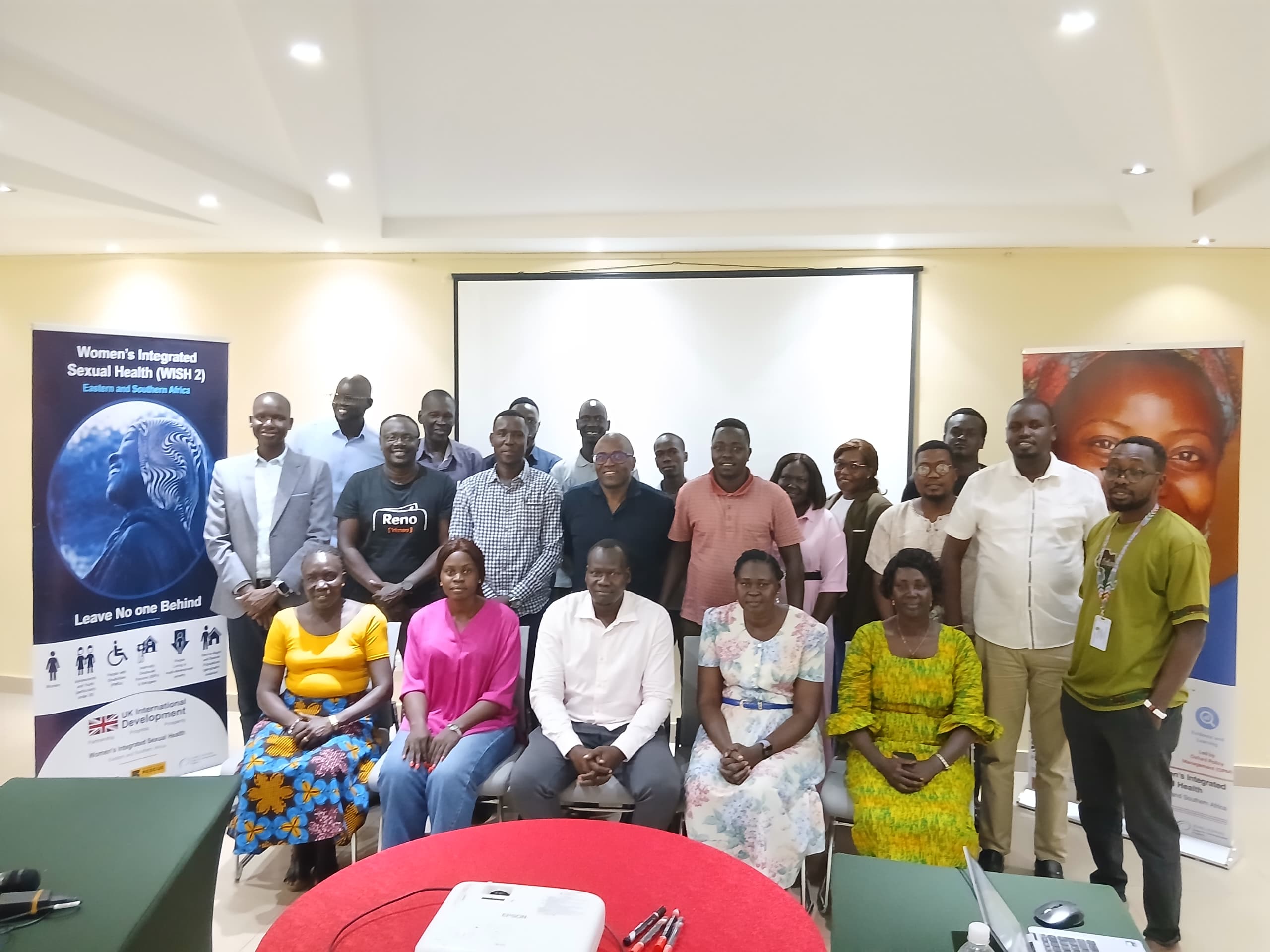
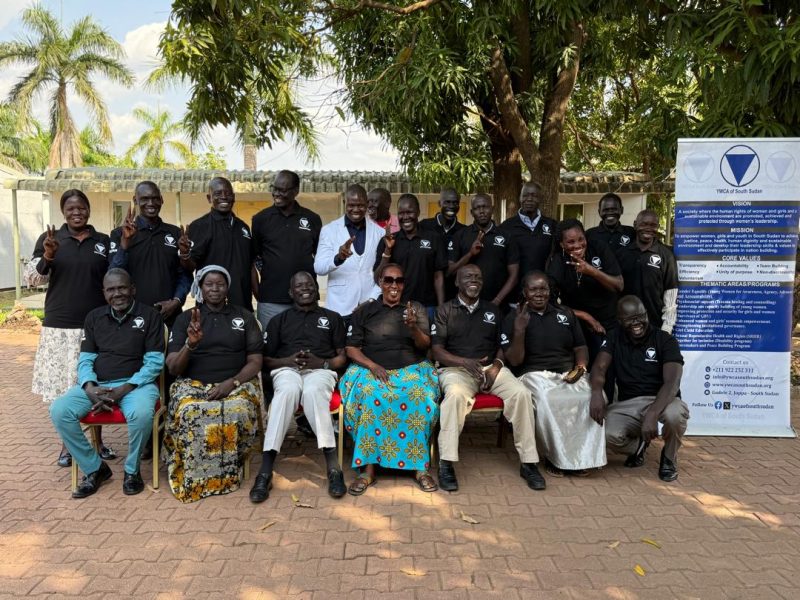
Community leaders from across Juba County have pledged to strengthen peacebuilding efforts, promote social inclusion, and enhance accountability within their communities after completing a three-day capacity-building workshop organized by the Young Women’s Christian Association (YWCA) with support from Oxfam South Sudan.
The training brought together quarter council chairpersons and members of local peace committees from various neighborhoods in Juba to strengthen their leadership capacity, improve conflict resolution skills, and encourage greater community participation in addressing insecurity and social challenges.
Participants said the workshop provided practical tools for resolving disputes through dialogue, mediation, and community engagement, enabling them to better respond to conflicts at the grassroots level.
James Albino Juma, Chairperson of Gudele Block 6, described the training as timely and relevant, noting that it had enhanced his understanding of peaceful conflict management.
“Our communities face different challenges due to their diversity, but this training has equipped us with the skills to bring people together and address disagreements through dialogue rather than confrontation,” Juma said.
He emphasized that sustainable peace can only be achieved when communities work collectively to resolve disputes and promote mutual understanding.
Several participants highlighted growing insecurity, youth-related challenges, and social tensions as key concerns affecting local communities.
Rahma Saif Rajalai Kisu, Chairperson of Nimra Talata and Ainim Quarter Council, pointed to the increasing number of street children, alcohol abuse, and limited coordination between communities and security agencies as factors contributing to instability.
She said community leaders often report incidents to the relevant authorities but require stronger institutional support to effectively address recurring security concerns.
“Peacebuilding requires cooperation from everyone. Communities must feel safe to report incidents, while authorities should respond promptly to concerns raised by residents,” Rahma said.
The workshop also focused on strengthening leaders’ ability to listen to community members, identify underlying causes of disputes, and facilitate peaceful solutions before conflicts escalate.
For Cecilia Idrissi Luar, Chairperson of Juba Nabari West Quarter Council, the training reinforced the importance of early intervention in resolving disputes, particularly land-related conflicts that frequently arise among residents.
“Many disagreements can be settled through dialogue if community leaders, youth, and residents work together before situations become serious,” she said.
Luar pledged to share the knowledge gained during the workshop with other community members to expand awareness of peaceful conflict resolution approaches.
Participants further underscored the need for transparency, accountability, and inclusive leadership in community governance. Emmanuel Clement Armethegale, Chairperson of Little Quarter Council Block 5, said effective leadership requires proper planning, openness, and responsiveness to the needs of all residents.
He stressed the importance of ensuring that women, youth, and persons with disabilities are actively involved in decision-making processes and community development initiatives.
“Inclusive leadership strengthens communities because everyone has a role to play in building peace and development,” Armethegale said.
Speaking on behalf of YWCA, Project Officer Nemisho Joye-Bage said the training was designed to strengthen the capacity of community leaders who serve as the first line of response to many local disputes.
“Quarter council leaders and peace committees are critical actors in promoting peaceful coexistence. By strengthening their leadership, accountability, and conflict management skills, we are helping communities develop local solutions to local challenges,” she said.
According to Joye-Bage, the training covered leadership and accountability, participatory community assessments, conflict management, resource mapping, and community engagement.
Participants also discussed emerging issues such as criminal gangs, domestic violence, and insecurity, while exploring practical approaches to community-led responses.
YWCA pledged to continue supporting the peace committees through mentorship, follow-up visits, and additional training aimed at sustaining grassroots peacebuilding efforts.
The workshop was conducted under the Rights and Resilience Project, supported by Oxfam South Sudan, which seeks to strengthen community leadership, improve local conflict prevention mechanisms, and promote peaceful coexistence across South Sudan.