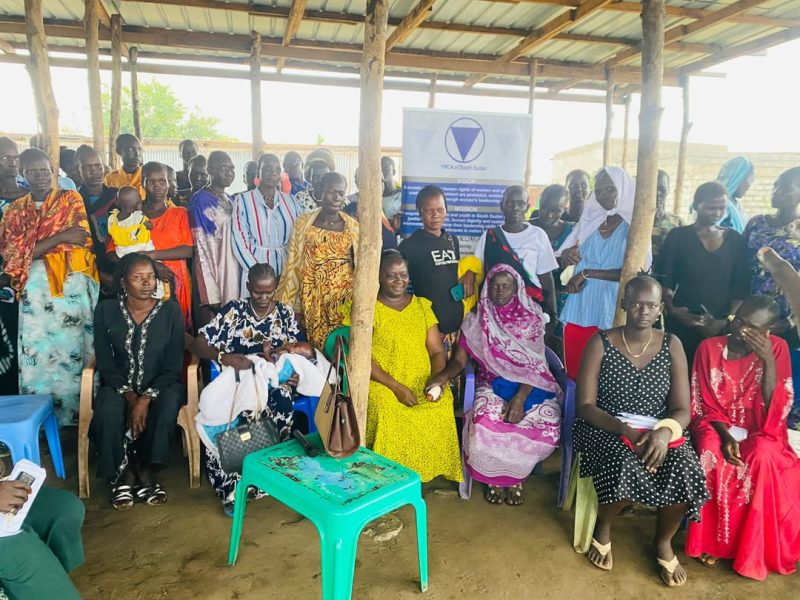
Women in Matangai village on the outskirts of Juba are turning to community savings groups as a way to protect their livelihoods amid persistent land disputes, economic uncertainty and the rising cost of living.
For many families in the area, owning land remains uncertain.
Years of boundary disputes, insecurity and displacement have discouraged long-term investment in property, leaving many households vulnerable to financial shocks.
Instead, women are increasingly relying on Village Savings and Loan Associations (VSLAs), where members pool savings and access small loans for emergencies, household needs and income-generating activities.
Many of the participants are returnees from neighbouring Sudan, trying to rebuild their lives while living in an area where land ownership remains unresolved.
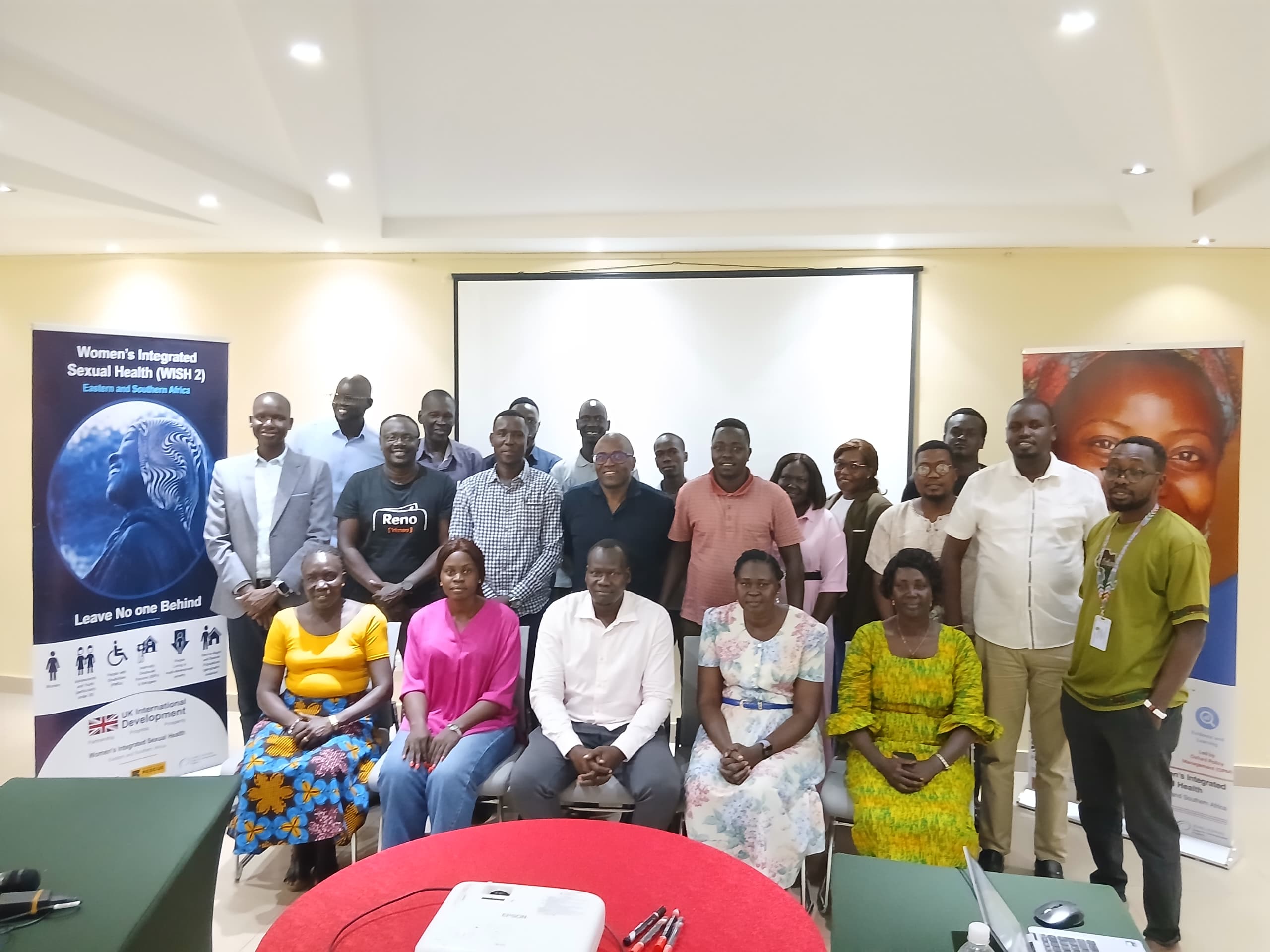
During a three-day financial literacy workshop, women discussed how savings groups could provide a more secure and portable form of wealth than investing in physical assets that may be lost through displacement or land disputes.
YWCA South Sudan, which organised the training, introduced participants to VSLA principles, including group savings, emergency lending and transparent financial management.
“The women of Matangai exist at the intersection of economic dependency and land insecurity,” said Namisio Joy, a Project Officer at YWCA South Sudan.
“By treating savings as liquid wealth that can be moved during times of instability, families are better able to protect themselves from economic shocks.”
Participants said the initiative addressed challenges that extend beyond access to finance.
Many women depend on irregular incomes earned by their husbands or informal businesses, making it difficult to meet household expenses as living costs continue to rise in Juba.
Lina Koryom, a women’s representative in Matangai, said the savings model has helped families view financial contributions by women as a form of household security.
“Learning about emergency loans showed us that savings are like family insurance,” she said. “It also gave many of us the confidence to discuss financial decisions with our husbands and gain their support.”
The workshop brought together long-term residents and recent returnees, with participants translating discussions from Arabic into local languages to ensure everyone could take part.
Young women also said the training encouraged them to participate more actively in community decision-making and financial planning.
Participants later formed savings groups of between 15 and 30 members, elected group leaders and adopted a three-key system to safeguard their savings boxes, with different members holding separate keys to promote accountability.
They also explored business opportunities that could increase household incomes, including grain storage, small-scale processing and other value-addition activities suited to local markets.
The organisers said linking newly formed groups with established savings associations and expanding access to formal financial services could help strengthen the initiative over time.
For many women in Matangai, collective savings are becoming more than a financial tool. In a community where land ownership remains uncertain, they are increasingly seen as a practical way to build resilience against displacement, economic hardship and an unpredictable future