Medical charity Médecins Sans Frontières (MSF) has opened three cholera treatment centres in Bentiu, Unity State, as part of efforts to contain the spread of the disease and provide lifesaving care to affected communities amid a growing outbreak.
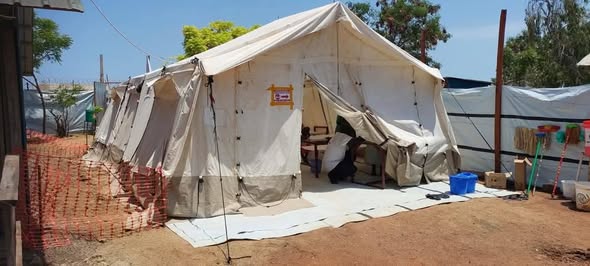
The newly established facilities include two 20-bed Cholera Treatment Centres (CTCs) operating at Bentiu State Hospital and in Rubkona in support of the Ministry of Health and the County Health Department.
MSF is also managing a larger 40-bed cholera treatment centre at the former Protection of Civilians (PoC) site in Bentiu, with the capacity to expand to 75 beds if the number of patients continues to increase.
According to MSF, the centres are providing free and rapid treatment to patients in an effort to prevent severe illness and reduce deaths linked to the outbreak.
Health officials reported that as of 22 May, Bentiu had recorded 36 new cholera infections, bringing the cumulative number of confirmed cases to 344.
Most of the reported infections have been concentrated in Sector 2 of the former PoC site, where overcrowding and poor sanitation conditions continue to increase the risk of transmission.
Additional patients are also receiving treatment at Bentiu State Hospital and the Yoayang Cholera Treatment Centre.
Since the emergency response began, health authorities say 48 patients have recovered and been discharged from treatment centres, while one patient remains hospitalized.
One cholera-related death has also been confirmed.
Cholera is a highly infectious disease that causes severe diarrhea and dehydration and can become fatal if not treated quickly.
The disease spreads rapidly in areas with limited access to clean water, poor sanitation, and overcrowded living conditions, posing serious risks to children, elderly people, and individuals with weakened immune systems.
MSF said it is continuing to work closely with health authorities and local communities to strengthen prevention measures and encourage residents to seek medical attention immediately when symptoms appear.
The organization also emphasized the importance of improving hygiene practices, access to safe drinking water, and early treatment to help prevent further spread of the disease.
The latest intervention comes as several communities across South Sudan continue to face recurring cholera outbreaks linked to flooding, displacement, and inadequate water and sanitation services.