MTN South Sudan has pledged to restore Juba Teaching Hospital’s CT scan machine after nearly five years of inactivity and install a solar backup system for its neonatal intensive care unit, boosting access to essential healthcare services for patients across the country.
The intervention forms part of the company’s annual Yellow Care Campaign, which was launched on Sunday under the theme, “Expanding Equitable Healthcare for Communities.”
This year’s campaign focuses on strengthening maternal and child healthcare services at South Sudan’s largest public referral hospital.
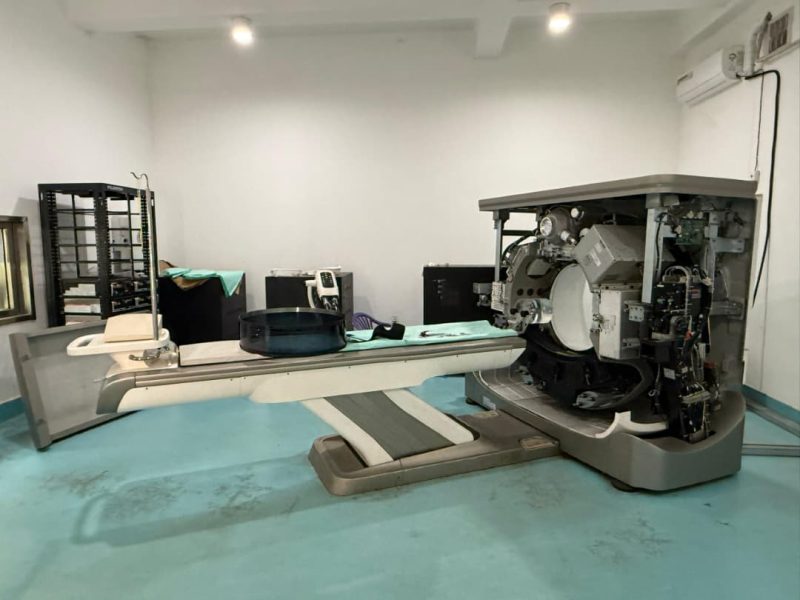
One of the most significant components of the initiative is the restoration of the hospital’s CT scan machine, which has remained out of service for nearly five years due to technical faults.
According to hospital officials, the machine was once the most affordable CT scanning service available in Juba, providing diagnostic imaging at a fraction of the cost charged by private healthcare facilities.
While patients currently pay between US$150 and US$250 for CT scan services at private hospitals in the capital, the machine at Juba Teaching Hospital previously offered the same service for less than US$50, making it accessible to low-income families and vulnerable patients.
The prolonged breakdown has forced thousands of patients to either seek expensive services from private facilities or go without critical diagnostic examinations altogether.
Speaking during the launch of the campaign, Juba Teaching Hospital Director General Dr. Gift Gibson Nathan described the planned repair as a major breakthrough for public healthcare delivery.
He said the CT scan machine plays a vital role in diagnosing a wide range of serious medical conditions, including head injuries, internal bleeding, fractures, tumors, strokes and other life-threatening illnesses.
“The CT scan is currently the standard of care for many serious conditions. Without it, patients are forced to seek services at private facilities at much higher costs, while others rely on less effective diagnostic alternatives,” Dr. Nathan said.
According to hospital management, repairing the machine is expected to cost approximately US$30,000, an amount that MTN South Sudan has committed to mobilizing through the Yellow Care Campaign and associated fundraising efforts.
Health professionals say the restoration of the machine will not only reduce the financial burden on patients but also improve the hospital’s ability to provide timely diagnoses and emergency medical care.
For many families, the return of the CT scan service could mean the difference between receiving life-saving treatment and delaying care due to unaffordable medical costs.
Beyond diagnostic services, MTN has also pledged to install a dedicated solar power backup system for the neonatal intensive care unit, where premature babies and critically ill newborns receive specialized care.
Hospital officials say frequent power interruptions remain a major challenge for the facility, particularly in wards that depend on continuous electricity to operate life-support equipment.
The planned solarization project is expected to ensure that incubators, oxygen concentrators and other essential neonatal equipment continue functioning even during power outages.
Dr. Nathan noted that premature babies are among the most vulnerable patients in the hospital and that even brief disruptions in electricity can place their lives at risk.
“A dedicated solar backup will ensure that incubators and life-saving equipment continue operating even when there are disruptions in the hospital’s main power supply,” he said.
MTN South Sudan Chief Executive Officer Mapula Bodibe said the company selected Juba Teaching Hospital after identifying urgent healthcare needs affecting mothers, newborns and vulnerable patients from across the country.
She noted that despite being located in the capital, the hospital serves as a national referral facility receiving patients from all ten states and administrative areas of South Sudan.
“South Sudan continues to face significant maternal health challenges, with high rates of maternal and child mortality. By supporting mothers and children, we are helping to build a healthier future for the country,” Bodibe said.
In addition to the infrastructure support, MTN plans to introduce digital healthcare solutions, including voice and SMS messaging platforms that will provide pregnant women and mothers with health information, medication reminders, appointment notifications and maternal health guidance.
The company has also established a Mobile Money donation line to allow customers, staff and members of the public to contribute toward healthcare improvements at the hospital.
The initiative has received support from UNICEF, which praised MTN’s continued investment in health and community development.
Officials say the combined interventions are expected to strengthen maternal and child healthcare services, improve access to affordable diagnostics and enhance emergency care for thousands of South Sudanese patients who rely on Juba Teaching Hospital every year.
For many patients, however, the repair of the CT scan machine may represent the most immediate relief restoring an affordable service that has been unavailable for half a decade and reducing dependence on costly private healthcare providers.