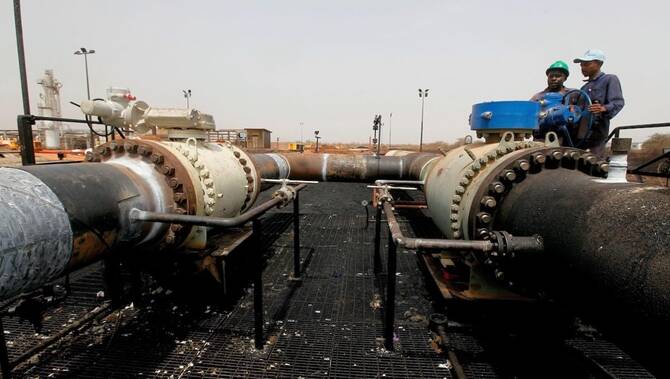
Sudan’s paramilitary Rapid Support Forces (RSF) reportedly seized control of the country’s largest oil hub, the Heglig field, on Monday, forcing all staff to evacuate across the border into South Sudan, according to an engineer at the facility.
The Heglig field, located in the southern Kordofan region, is a vital processing and export hub for South Sudan’s oil, which accounts for nearly all of Juba’s government revenue.
Production at the field and its associated processing plant was immediately halted following the takeover.
In statement, the RSF said its fighters moved into Heglig after what it called the withdrawal of the “Muslim Brotherhood’s terrorist army,” describing the capture as a major milestone given Heglig’s role in Sudanese oil production and South Sudan’s export pipeline.
The group vowed to secure the facilities and protect workers. RSF-linked pages later posted videos allegedly showing fighters in the fields, though these could not be independently verified.
While reaffirming its self-declared humanitarian truce, the RSF said it retains the right to self-defense. The Sudanese army and Energy Ministry have yet to comment on the claims or the shutdown of Heglig.
Since April 2023, Sudan has been engulfed in a deadly conflict between the RSF and the regular army, killing tens of thousands, displacing 12 million, and further crippling the country’s fragile infrastructure.
Heglig, in southern Kordofan, has become a focal point of the conflict as both sides struggle for territorial control.
Last week, a drone strike in the same region, attributed to the RSF, hit a kindergarten and a hospital, killing dozens, including children.
In October, RSF forces ousted the army from western Darfur, forcing the military onto the defensive as the paramilitary continues its push toward Khartoum.
Today, Sudan is effectively split: the army controls the north, east, and center, while the RSF dominates the west and large parts of the south.