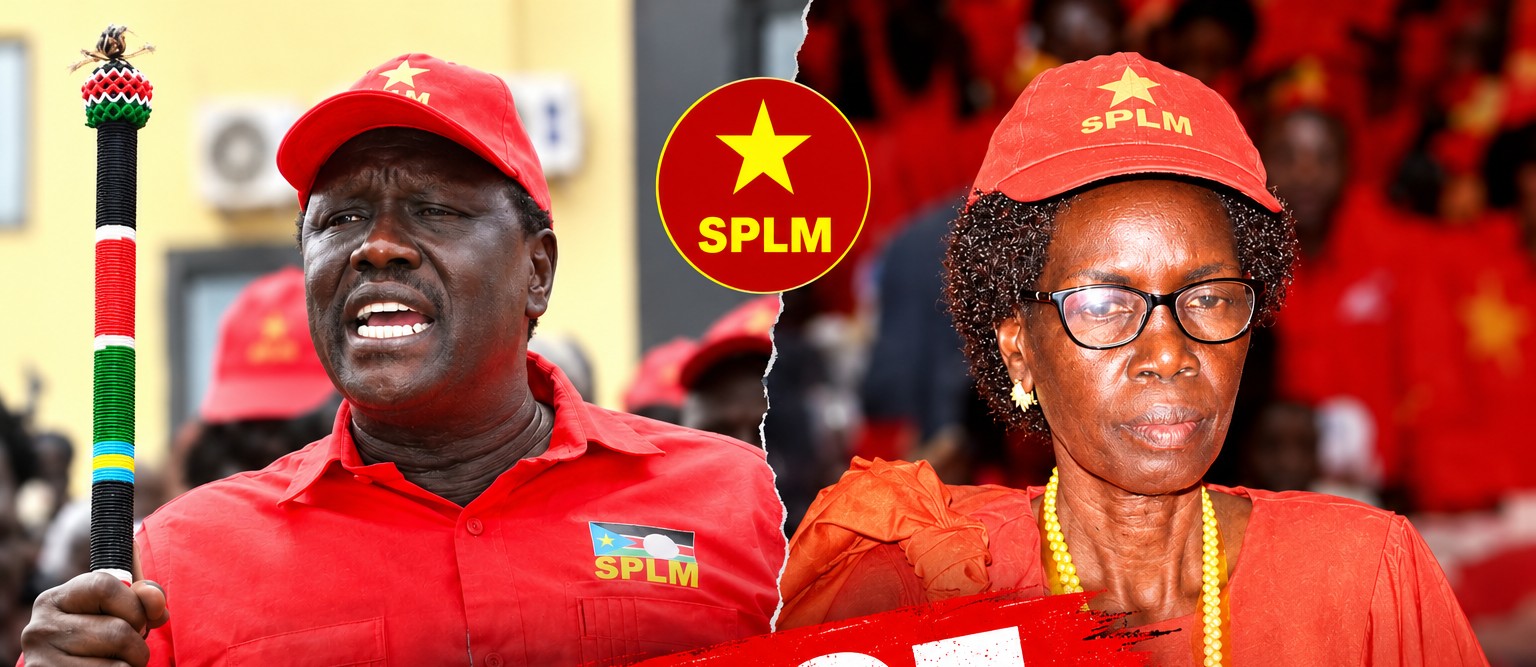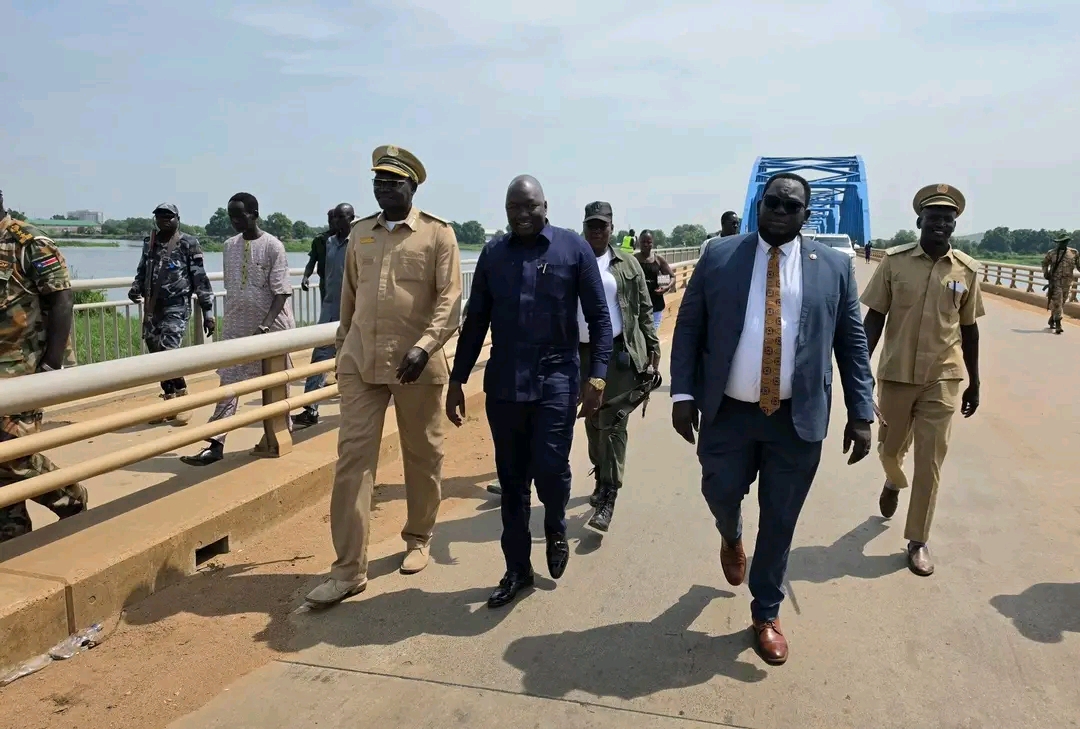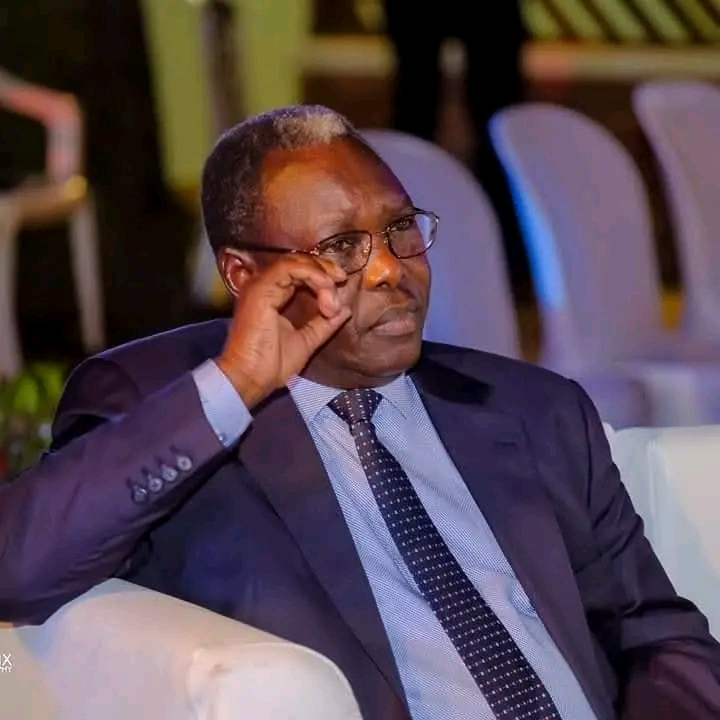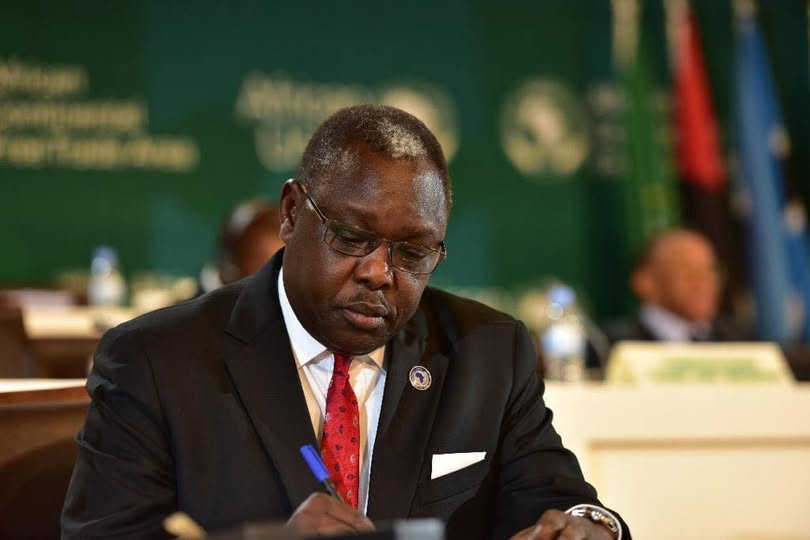
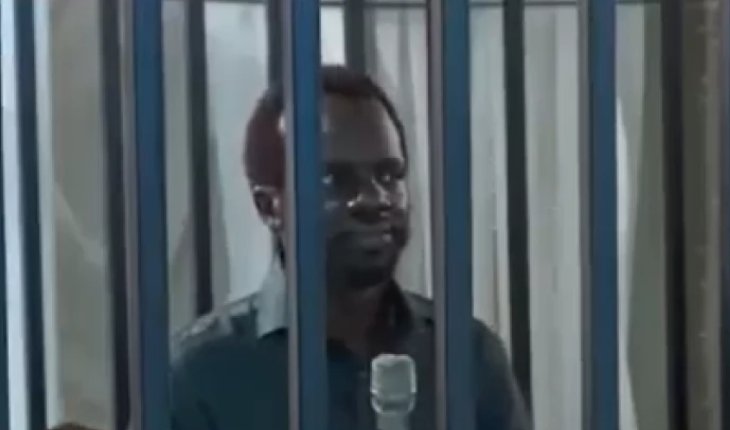
Detained senior SPLM-IO official and suspended Petroleum Minister Puot Kang Chol has told a court in Juba why he believes fellow opposition leader Stephen Par Kuol was released shortly after his arrest while others remained in detention.
Appearing before the court during proceedings related to his detention, Puot recounted the events surrounding the arrest of senior SPLM-IO members in March, saying Stephen Par was taken into custody alongside him and other officials but was freed the following day under circumstances that raised questions among those who remained behind bars.
According to Puot, Stephen Par, who was serving as a member of the SPLM-IO Political Bureau, was arrested on the same day as Brig. Gen. Camilo Gatmai and himself and transported to the Blue House detention facility in Juba.
Puot told the court that Par’s release came unexpectedly after an officer visited him at the detention center.
“Your Lordships, it is important to mention that Hon. Stephen Par Kuol, who was a member of the SPLM-IO Political Bureau, was arrested and taken to the Blue House detention facility on the same day as Brig. Gen. Camilo Gatmai and myself,” Puot told the court.
“He was released the next morning after an officer visited him at the facility.”
The former minister said detainees were never officially informed why Par had been released while others remained in custody.
However, he told the court that the circumstances led him to draw his own conclusions.
“One can only speculate and conclude that he was released because he agreed to accept the agenda of our peace partners,” Puot said.
The remarks offered a rare glimpse into what opposition figures claim were attempts to pressure detained SPLM-IO leaders during the political tensions that followed the arrest of several senior officials earlier this year.
Puot further alleged that security officers sought to convince him to distance himself from SPLM-IO leader Riek Machar and align himself with a different political position. He maintained that he rejected such proposals despite being held in detention.
The testimony is likely to add a new dimension to the ongoing legal proceedings, as it raises questions about the criteria used to determine which detainees were released and which remained behind bars during the crackdown on opposition figures.
Stephen Par’s release at the time attracted attention within political circles because it came while a number of senior SPLM-IO officials continued to be detained amid heightened tensions between the peace partners in the transitional government.
Neither the government nor security authorities have publicly confirmed the reasons for Par’s release or responded to Puot’s assertion that political considerations may have played a role in the decision.
The court is continuing to hear testimony from Puot and other parties as legal proceedings surrounding the detention of senior opposition officials move forward.
While presenting his account, Puot stressed that his conclusion regarding Stephen Par’s release was based on his observations as a fellow detainee and not on any official explanation from the authorities.
“One can only speculate and conclude,” he told the court, emphasizing that no formal reason was ever communicated to those who remained in custody.
His testimony is expected to fuel further debate over the treatment of opposition figures during one of the most politically sensitive periods in South Sudan’s transitional process.