Refugees in South Sudan have called for stronger protection, easier access to essential services and greater recognition of their rights amid concerns over movement restrictions, documentation, registration and livelihoods.
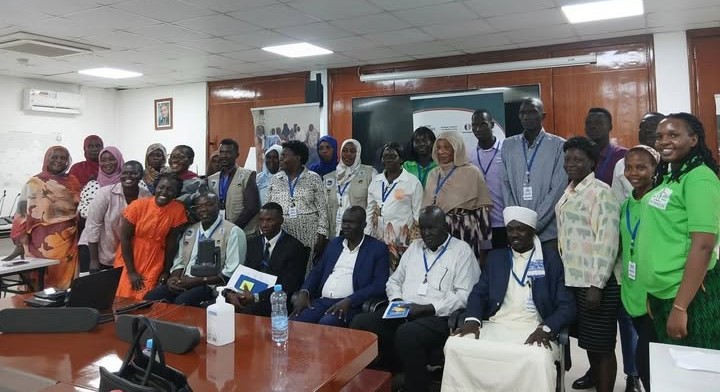
The concerns were raised during a refugee dialogue held on Friday, October 2, 2026, at the UNHCR Compound in Juba, bringing together refugee representatives, government officials, the United Nations High Commissioner for Refugees (UNHCR), national and refugee-led organisations, women-led groups and civil society.
The dialogue was convened by Women for Justice and Equality (WOJE) in collaboration with SIHA Network, with support from the Black Feminist Fund.
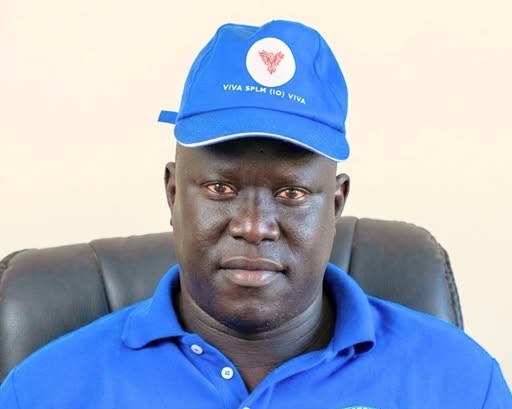
Omot Obang, Chairperson of Gorom Refugee Settlement, said some refugees travelling to Juba for business, shopping or work face the risk of arrest when their identification documents are questioned by security personnel.
He called for refugee identification documents to be clearly recognised by security authorities to allow refugees to move freely without discrimination.
Obang also raised concerns about newly arrived refugees who remain unregistered, saying the lack of documentation makes it difficult for them to access healthcare and other essential services.
He said Gorom Refugee Settlement currently hosts about 18,802 registered and verified refugees from around 11 nationalities and has been in existence for nearly 16 years.
Food insecurity was also highlighted during the dialogue, with Obang saying refugees had been informed that cash assistance would end after September, leaving many families uncertain about how they would meet their basic needs.
He further warned that increasing pressure on health facilities serving both refugees and host communities could force vulnerable families to make difficult choices between accessing medical treatment and meeting other household needs.
Raga Gabriel Berberi, Executive Director of the Commission for Refugee Affairs, reaffirmed South Sudan’s open-door policy towards refugees and said the government has a responsibility to protect refugees and facilitate their access to essential services.
The dialogue provided a platform for refugee representatives and stakeholders to discuss challenges affecting refugees and call for stronger coordination to address protection, documentation, registration, healthcare, food security and livelihoods.
Participants urged authorities and humanitarian partners to strengthen measures that enable refugees to move safely, obtain proper documentation and access essential services without discrimination.