A new gender audit has found that women remain significantly underrepresented in South Sudan’s political parties, despite longstanding commitments to inclusive governance and equal participation.
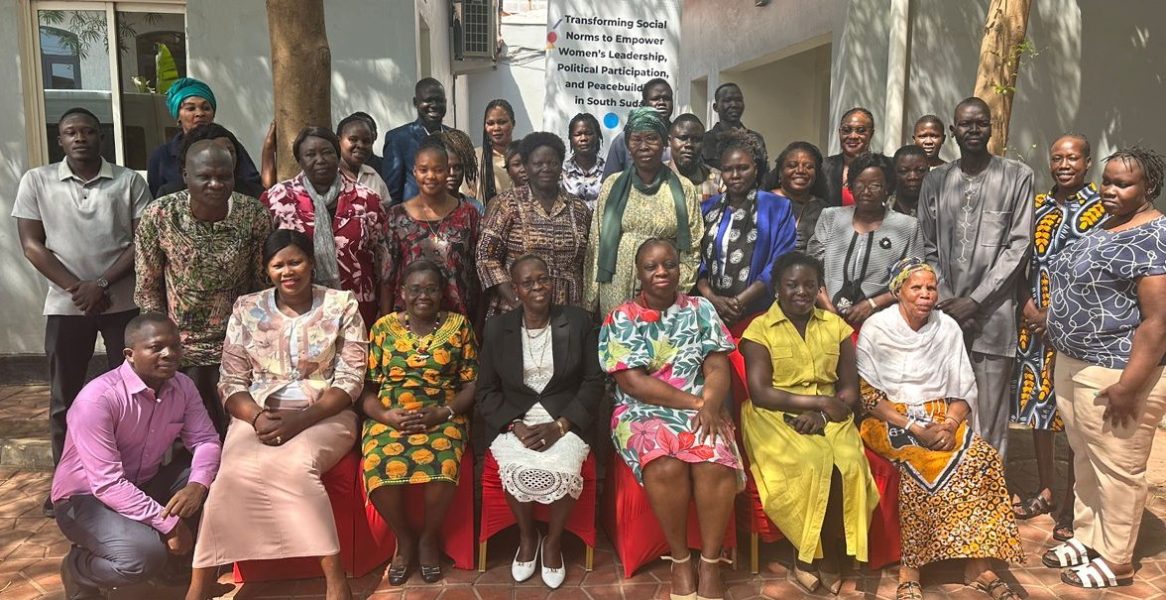
The findings were presented during the launch of the Gender Audit of Political Parties, Internal Policies and Mapping of Women Leaders report in Juba, where stakeholders renewed calls for reforms to party structures that continue to limit women’s access to leadership positions.
Speaking at the event, Dr. Lorna Elia, Deputy Chairperson of the Political Parties Council, said the audit goes beyond technical assessments to examine how power is distributed within political parties.
“This is about power how it is structured, how it is accessed, and how women continue to navigate systems that were not designed with their leadership in mind,” Elia said.
The audit assessed internal regulations, nomination procedures and leadership structures across seven political parties, alongside a national mapping of women political aspirants.
It found that while women are actively organizing and contesting for leadership roles, party systems remain inconsistent in supporting their advancement.
Data cited in the report shows that only 6.25 percent of chairpersons across 21 assessed political parties are women, with many female leaders concentrated in administrative or treasurer positions rather than top executive roles.
“Leadership is not a favor for us. It is a right,” Elia said, urging women across party lines to organize strategically ahead of the anticipated December 2026 elections.
UN Women Deputy Country Representative Huda Ouma echoed the call for action, warning that weak women’s representation in decision-making structures undermines democratic legitimacy and long-term peace.
“These findings highlight the urgent need to turn commitments into action,” Ouma said, noting that women remain underrepresented in executive leadership at both national and state levels.
The half-day launch event was organized by Men 4 Women in partnership with UN Women South Sudan, with support from Norway, the European Union and the UN Peacebuilding Fund, bringing together political actors, civil society groups and development partners to reflect on pathways toward more inclusive political parties