
The Civil Society Coalition on Natural Resources (CSCNR) has called for greater transparency and strict adherence to the law in the government’s newly approved “Gold-for-Road” infrastructure project, warning of potential financial, environmental, and sovereignty risks if safeguards are not observed.
In a press statement issued Tuesday, the coalition questioned the decision to use South Sudan’s gold reserves as collateral for a $2 billion road construction arrangement.
The project, announced by the Office of the President of South Sudan on February 20, involves the construction of 1,031 kilometers of roads at a reported cost of $2.3 million per kilometer.
The contract was awarded to Shamrock Global Group.
While acknowledging the urgent need to improve road infrastructure across the country, CSCNR expressed concern over what it described as limited publicly available data on South Sudan’s gold reserves.
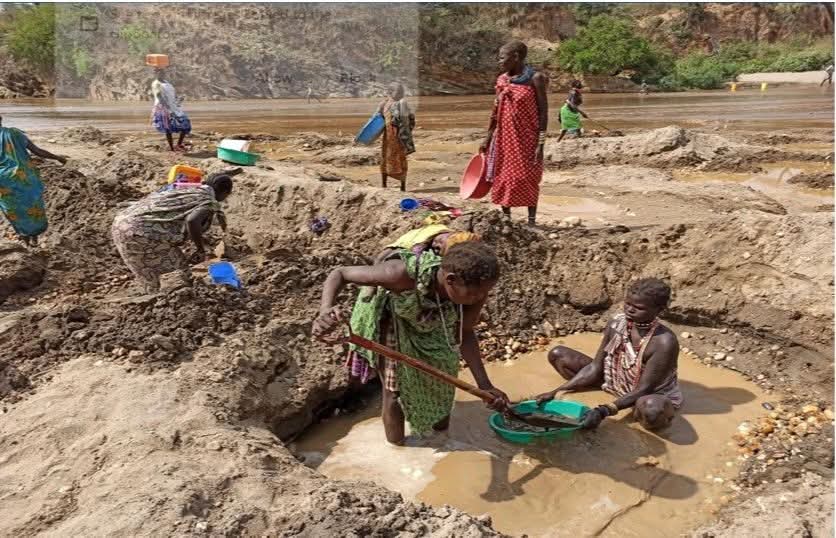
The coalition noted that much of the country’s mineral wealth remains unmapped and insufficiently verified, raising questions about how the government determined the quantity and value of gold being used as security for the deal.
“Without credible and publicly verified data on gold reserves, it is difficult to assess the long-term implications of committing these resources as collateral,” the statement said, adding that transparency is essential to safeguard national assets.
The coalition also raised concerns about the procurement process, citing provisions in the Public Procurement and Disposal of Assets Act 2018, which prioritize open and competitive bidding.
CSCNR questioned why the contract was awarded through single sourcing instead of a competitive process that could potentially ensure better pricing and value for money.
Particular attention was drawn to the reported unit cost of $2.3 million per kilometer, which the coalition described as comparatively high when measured against similar road projects in the region.
It urged the government to provide a detailed cost breakdown and technical justification for the pricing structure.
Beyond procurement and pricing issues, CSCNR warned of the risk of a potential “debt trap” if repayment obligations tied to gold reserves are not met.
The group called on authorities to disclose contingency plans in the event of production shortfalls or fluctuations in global gold prices, emphasizing the need to protect the country from unsustainable debt exposure.
Environmental and community concerns were also highlighted. CSCNR stressed that any large-scale mining activities linked to the project must comply with the Mining Act 2012, which requires Community Development Agreements prior to the commencement of operations.
The coalition further called for comprehensive environmental impact assessments and the establishment of dedicated funds for post-mining rehabilitation to prevent long-term ecological damage.
The group underscored the importance of meaningful consultations with communities in gold-producing areas, noting that failure to engage local stakeholders could lead to social tensions and undermine public confidence in the project.
CSCNR reiterated that it supports efforts to expand and modernize South Sudan’s road network, describing infrastructure development as vital for economic growth, trade, and national integration.
However, it maintained that such initiatives must be implemented transparently, accountably, and in full compliance with existing legal and environmental frameworks to ensure that national resources are protected for current and future generations.