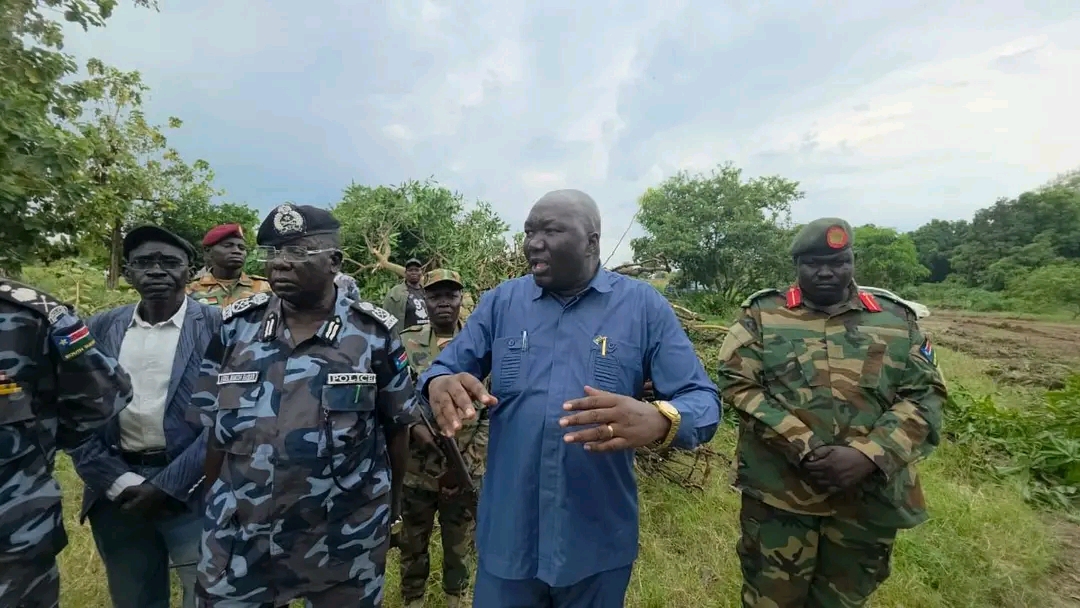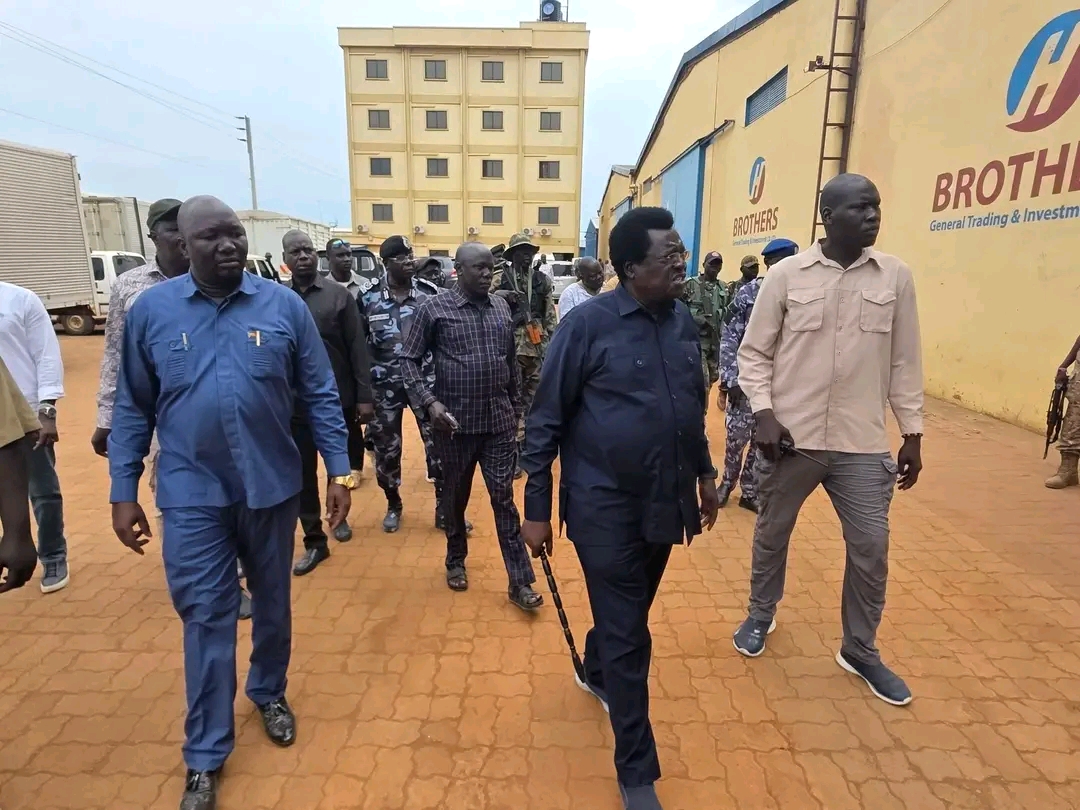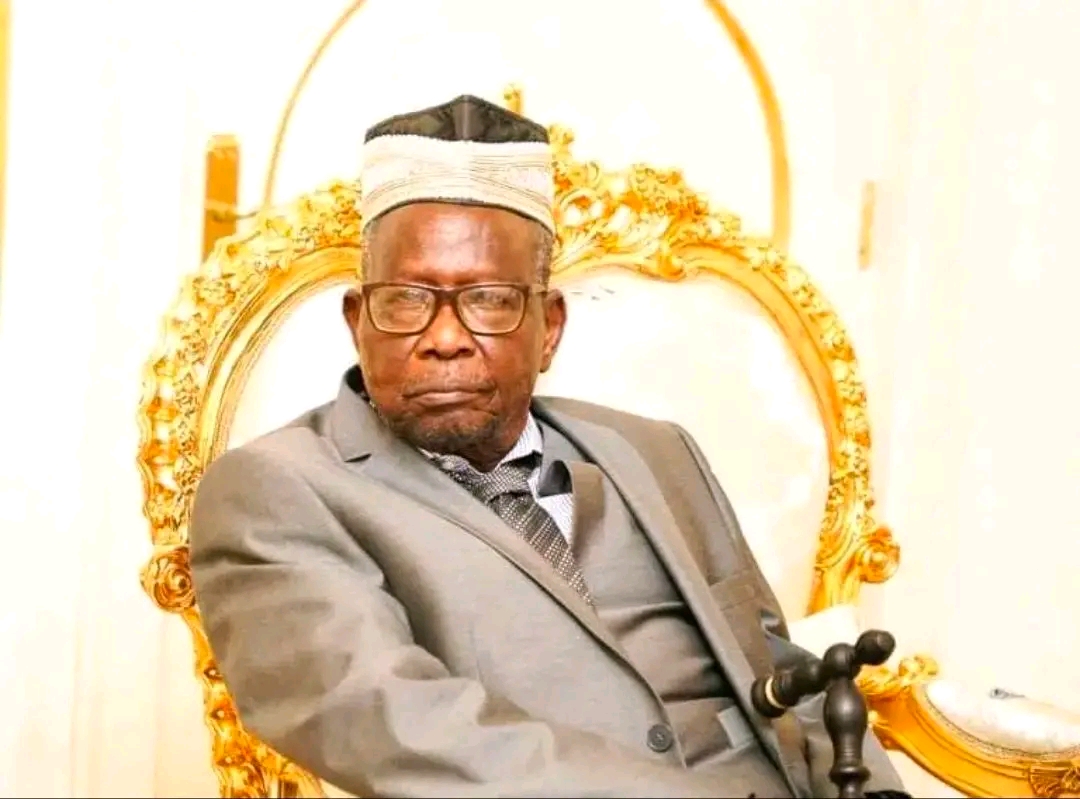
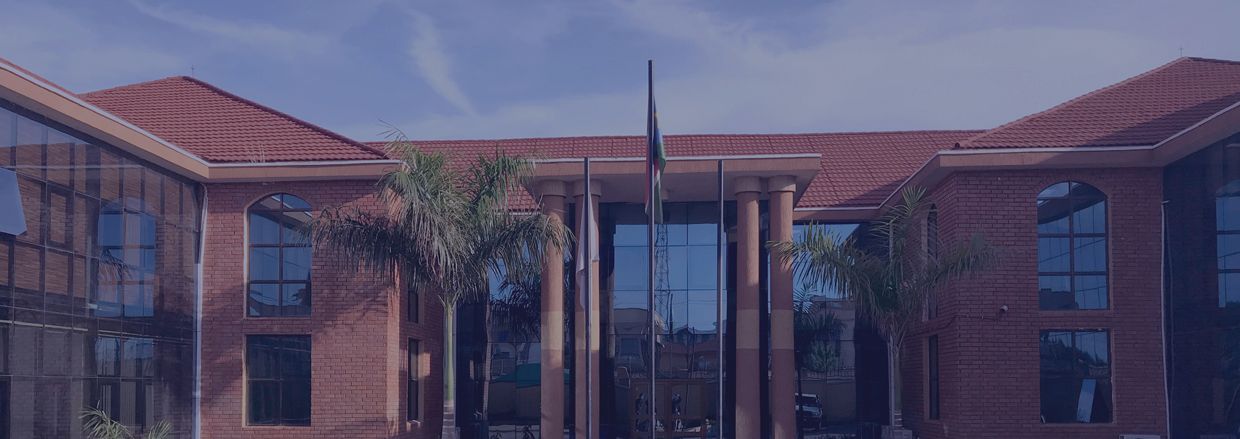
South Sudan’s National Security Service (NSS) has moved to investigate senior officials within the South Sudan National Revenue Authority over the alleged withdrawal of more than $2 million, in a development that has intensified scrutiny over financial management in key government institutions.
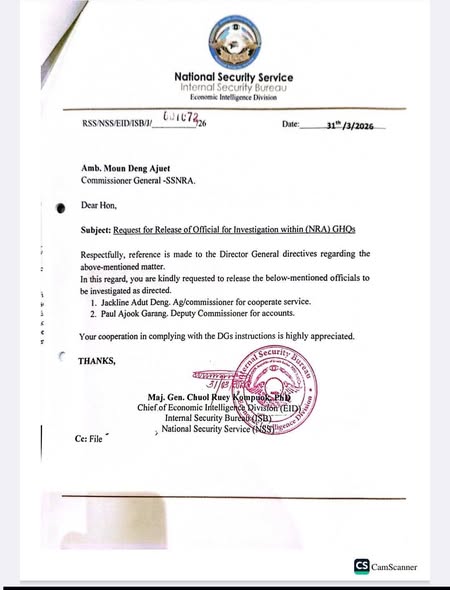
The security agency has formally requested the release of three high-ranking officials from the revenue authority to facilitate investigations into what it describes as suspected financial irregularities involving public funds.
According to official correspondence, the directive follows instructions from the NSS Director General, signaling a widening probe into the handling of state resources within the country’s primary tax collection body.
In a letter dated April 7, 2026, and addressed to Commissioner General Moun Deng Ajuet, the NSS requested the release of Mr. Benjamin Yom Bol, Deputy Commissioner for Administration and Finance, for questioning.
The request follows an earlier communication dated March 31, 2026, in which the agency also sought the release of two other senior officials: Ms. Jackline Adut Deng, Acting Commissioner for Corporate Services, and Mr. Paul Ajook Garang, Deputy Commissioner for Accounts.
Both letters were signed by Chuol Ruey Kompubk, Chief of the Economic Intelligence Division at the NSS, who emphasized the need for full cooperation from the revenue authority to ensure the investigations proceed without obstruction.
The probe centers on the suspected mismanagement or unauthorized movement of funds exceeding $2 million, raising fresh concerns about accountability and oversight within institutions responsible for domestic revenue mobilization.
The South Sudan National Revenue Authority plays a critical role in financing government operations, making the allegations particularly significant at a time when the country continues to face economic pressures and relies heavily on non-oil revenue collection.
As of now, officials from the revenue authority have not publicly responded to the NSS request, and it remains unclear whether the individuals named have been released for questioning.
Analysts say the case underscores persistent challenges in public financial management and anti-corruption efforts in South Sudan, where calls for greater transparency and institutional reform have been growing louder.
The investigation is expected to shed light on internal controls within the revenue authority and could have broader implications for governance and public trust, depending on its outcome.
For now, attention remains fixed on how both the NSS and the revenue authority handle the unfolding probe, as the country watches closely for accountability in the management of public funds.