South Sudan’s National Security Service (NSS) has warned that individuals who deliberately create or spread fake news and misinformation on social media could face arrest.
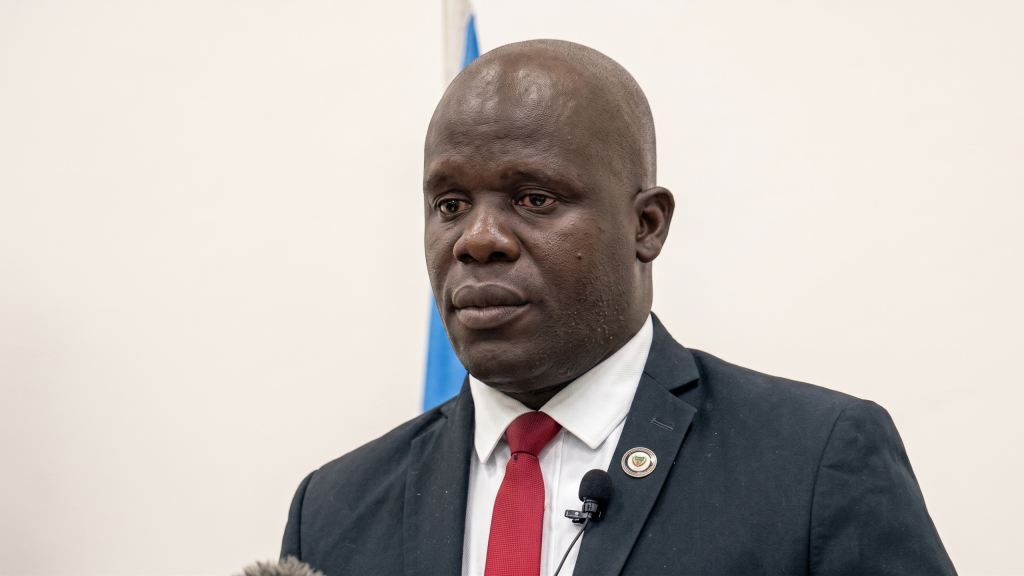
The warning was issued by NSS spokesperson John David Kumuri, who said the agency has deployed advanced digital forensic technology capable of identifying and tracing people responsible for producing and circulating false information across digital platforms.
He said the technology enables investigators to gather electronic evidence that can be used in criminal investigations and prosecutions.
Kumuri urged members of the public to verify information before sharing it online, avoid spreading unconfirmed reports and use social media responsibly.
“Freedom of expression is protected by law, but it does not include the deliberate dissemination of false or misleading information that endangers public safety, peace or national security,” Kumuri said, warning that those found violating the law would face legal action.
The warning comes amid growing concern among South Sudanese authorities over the rapid spread of misinformation on social media, particularly during periods of political tension, insecurity and communal violence.
Officials have previously argued that false or misleading online content can fuel panic, incite violence and undermine efforts to maintain public order.
South Sudan’s Transitional Constitution guarantees freedom of expression and freedom of the press. However, these rights are subject to restrictions set out in law, including provisions aimed at protecting national security, public order and the rights of others.
In recent years, authorities have repeatedly cautioned against the circulation of unverified information online.
Government institutions, including the National Security Service and the Ministry of Information, have issued public advisories urging citizens to rely on official sources and to refrain from sharing rumours, particularly during security incidents or politically sensitive periods.
At the same time, civil society organisations, journalists and media rights advocates have argued that measures to combat misinformation should be implemented in a manner that safeguards constitutional freedoms, including freedom of expression and access to information.
They have called for any enforcement actions to be transparent, proportionate and consistent with the rule of law.
Kumuri said the NSS would continue monitoring digital platforms and urged the public to exercise caution and responsibility when using social media, warning that those who deliberately spread false information could be arrested and prosecuted under applicable laws.