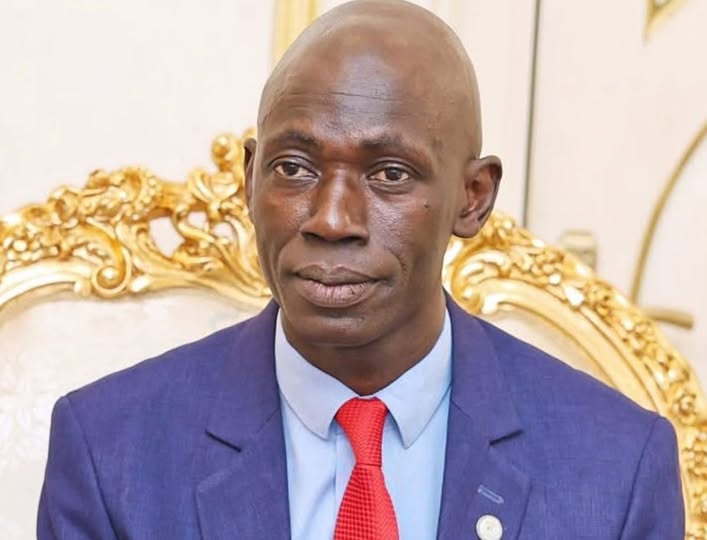
South Sudanese civil society activist Edmund Yakani has welcomed the growing unity among African diplomats and regional bodies on the South Sudan peace process, saying a common African position is essential for achieving lasting peace and stability in the country.
Yakani made the remarks following recent calls by African diplomats in Juba urging South Sudan’s transitional government to release political detainees and embrace inclusive political dialogue ahead of elections scheduled for December.
The appeal was made during a press conference held on Sunday ahead of Africa Day celebrations, where senior African diplomats stressed the need for political openness, stability and full implementation of the 2018 revitalized peace agreement.
Among those who spoke was South Africa’s Ambassador to South Sudan, Mahlodi Samuel Muofhe, who said the unconditional release of political detainees remains one of the key resolutions adopted by the African Union Ad Hoc High-Level Committee on South Sudan, known as the C5.
“Political detainees should be released unconditionally. I think that was the main thing as far as C5 is concerned. I think that is still the call,” Muofhe told journalists.
South Africa currently chairs the AU C5 mechanism, which supports the implementation of South Sudan’s peace agreement and preparations for democratic elections.
The 2018 peace deal ended five years of civil war between forces loyal to President Salva Kiir Mayardit and First Vice President Riek Machar.
However, implementation of several key provisions of the agreement has faced repeated delays amid political tensions, insecurity and disputes among the parties.
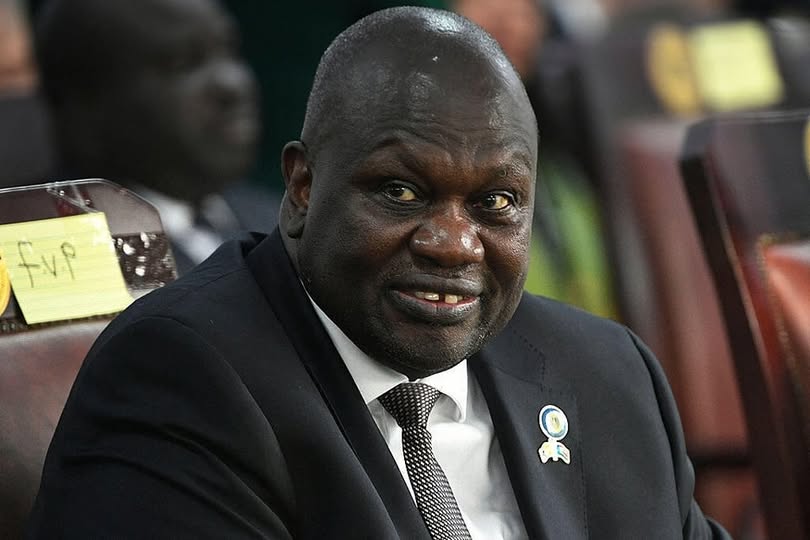
Machar, one of the principal signatories to the peace agreement, is currently under detention in Juba, a development that has raised concern among regional and international actors about the future of the peace process.
Muofhe also emphasized the need for broad political participation, saying credible elections can only be achieved through an inclusive political environment involving all stakeholders.
“South Sudan must ensure that it embarks on an inclusive dialogue process involving all political parties in South Sudan,” he said.
The African Union Commission’s Special Representative to South Sudan, Abdiwali Mohammed Ali, said the continental body had intensified diplomatic engagement in support of peace and stability in the country.
Ali noted that South Sudan had recently hosted several high-level AU delegations, including the AU C5, former Tanzanian President Jakaya Kikwete and members of the AU Peace and Security Council.
He added that the AU Panel of the Wise is also expected to visit South Sudan as part of ongoing regional efforts to encourage dialogue and political stability.
“This is the amount of attention that South Sudan is getting. AU is pushing very hard for South Sudan to achieve peace and stability,” Ali said.
Reacting to the statements, Yakani described the united position taken by African diplomats and institutions as “encouraging” and “motivating.”
He said the growing unity among African countries on South Sudan’s peace process was important for both national and regional stability.
“The unity for peace and stability in South Sudan among the African diplomats and missions and countries and governments is very important,” Yakani said in a recorded statement.
According to him, disagreements among African leaders on the direction of the South Sudan peace process could undermine regional peace efforts and negatively affect ordinary citizens.
“Any disagreement among Africans on what defines peace and stability in South Sudan is a disaster for the common interest of South Sudanese citizens and for the regional peace and security agenda,” he stated.
Yakani said he was encouraged by what he described as a “one voice” approach by African diplomats and envoys regarding South Sudan’s political future.
He noted that the recent positions taken by the AU C5 and the AU Peace and Security Council reflected increasing unity among African actors on the need for dialogue, accountability and political inclusivity.
The activist urged South Sudan’s political leaders, both in government and opposition, to respect and honour the calls made by African diplomats for inclusive dialogue and peaceful political engagement.
“I would like to urge our leaders at their various capacities in the government and in the opposition parties to respect and honour the call of our own brothers and sisters, African diplomats and envoys,” Yakani said.
He described inclusive political dialogue as a necessary homegrown approach for moving the country away from violence and toward peace and stability.
Yakani also linked the release of political detainees to broader efforts aimed at rebuilding trust among political actors and creating conditions for meaningful national dialogue ahead of elections.
“The call for release of all political detainees is a stepping stone for rolling out an inclusive political dialogue,” he added.
The remarks come amid mounting concern over delays in implementing the revitalized peace agreement and fears that unresolved political disputes and insecurity could undermine preparations for the country’s first elections since independence in 2011.