South Sudan’s Transitional National Legislative Assembly has approved controversial amendments to the 2018 Revitalized Peace Agreement, removing the requirement to complete a permanent constitution and a national population and housing census before the country can hold general elections.
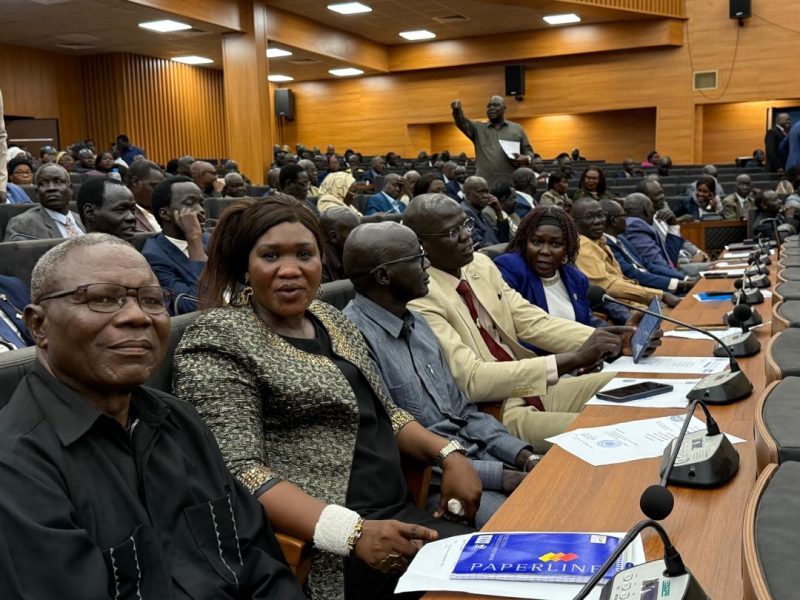
The amendments were passed during a Tuesday sitting chaired by Speaker Joseph Ngere Paciko, despite objections from some lawmakers who argued that the changes alter key provisions of the peace agreement intended to guide the country’s transition.
The decision follows the presentation of a report by the Chairperson of the National Legislature’s Committee on Legislation and Legal Affairs, Dengtiel Ayuen Kuur, who urged members of parliament to adopt the Revitalized Agreement on the Resolution of the Conflict in the Republic of South Sudan (R-ARCSS), 2018 (Amendment) 2026.
Lawmakers voted to approve the amendments, effectively paving the way for elections to proceed without first completing two of the agreement’s previously stipulated benchmarks a permanent constitution and a nationwide population and housing census.
Supporters of the amendments say the changes are intended to prevent further delays to South Sudan’s long-awaited elections, which have been repeatedly postponed since the country’s independence in 2011.
Parliament spokesperson Oliver Mori described the passage of the amendments as “a major milestone” towards organizing what would be South Sudan’s first general elections since gaining independence.
“The amendments represent an important step in implementing the roadmap towards democratic elections,” Mori said following the parliamentary sitting.
However, the decision drew criticism from some legislators, who questioned whether removing the constitutional and census requirements could undermine the spirit of the 2018 peace agreement.
Some argued that the constitution-making process and a credible population census were intended to provide the legal and demographic foundations for free, fair and inclusive elections.
The amendments come as South Sudan continues to implement the transitional roadmap agreed by the peace parties after elections scheduled for December 2024 were postponed by two years to allow more time to complete outstanding provisions of the peace agreement.
Among the pending tasks are the drafting of a permanent constitution, electoral preparations, security sector reforms and the unification of forces issues that regional and international partners have repeatedly described as critical to a credible electoral process.