South Sudan government has criticized recent U.S. visa restrictions imposed on members of its transitional government and affiliated entities, warning that the measures could strain diplomatic relations and negatively affect ordinary citizens.
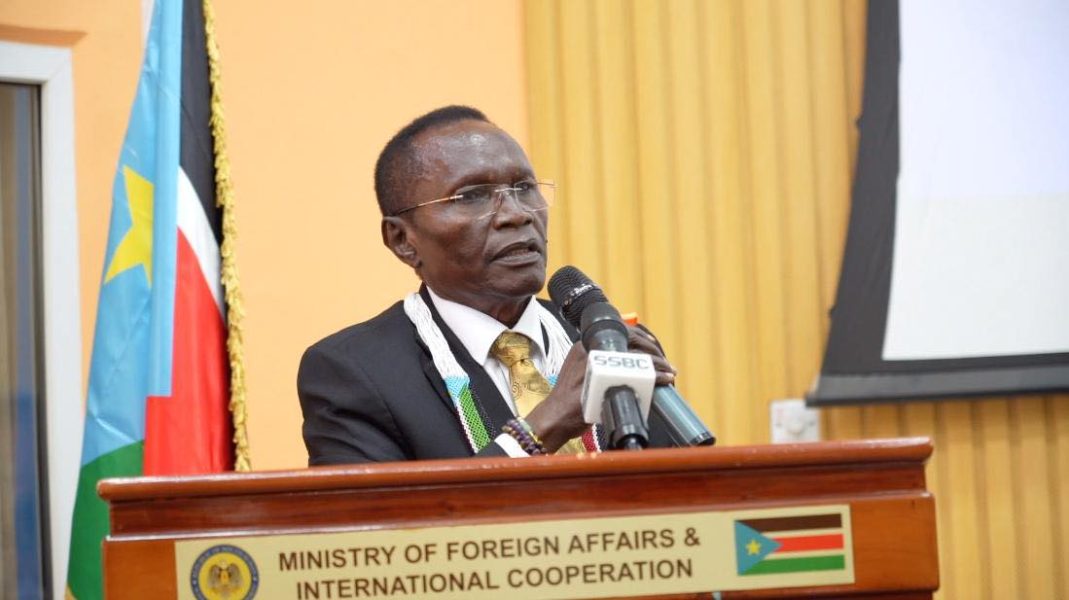
In a statement issued by the Ministry of Foreign Affairs and International Cooperation on May 13, 2026, Juba said it received the U.S. decision “with grave concern” and rejected what it described as mischaracterizations of the country’s progress in implementing the Revitalized Agreement on the Resolution of the Conflict in South Sudan (R-ARCSS).
The response comes after the United States announced visa restrictions targeting South Sudanese officials and sanctions against Crawford Capital Ltd., accusing individuals and entities of corruption, undermining the peace process, and contributing to instability.
In its announcement, U.S. Secretary of State Marco Rubio said Washington was acting against those it believes have obstructed the implementation of the 2018 peace agreement, warning that South Sudan was “on the brink of a return to all-out war” due to continued political and security setbacks.
The U.S. also accused officials and affiliated business entities of siphoning public funds and diverting international assistance intended for civilians affected by conflict and economic hardship.
Under the measures, individuals deemed responsible for impeding the ceasefire agreement or engaging in corruption-linked violence will face visa restrictions under Section 212(a)(3)(C) of the U.S. Immigration and Nationality Act.
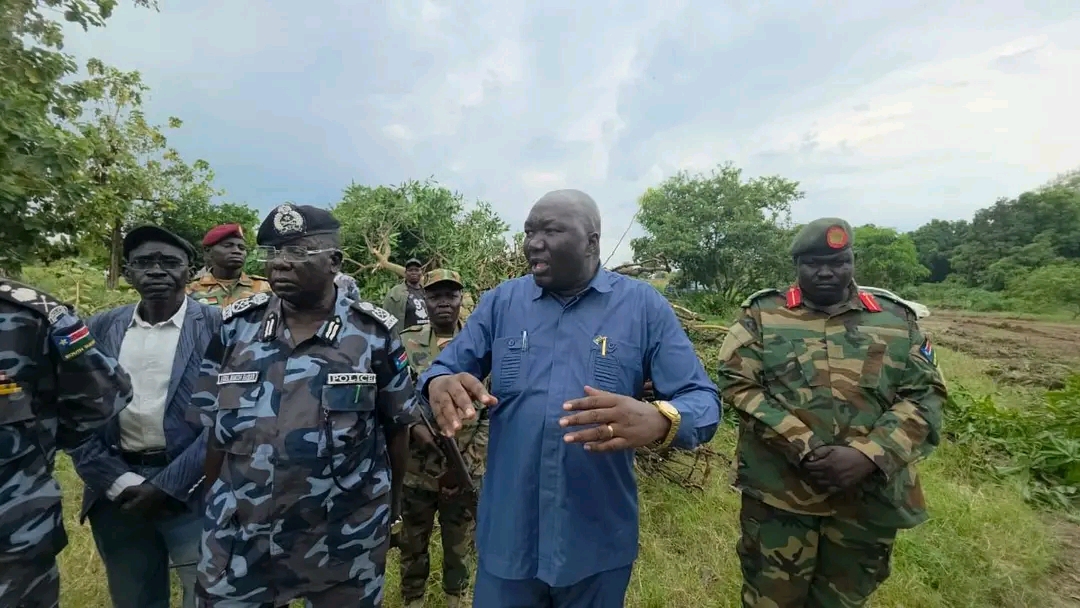
Washington further alleged that operations by the South Sudan People’s Defense Forces (SSPDF) in northern Jonglei State contributed to large-scale displacement, affecting an estimated 300,000 people and worsening humanitarian conditions in an already fragile region.
It also cited reports of alleged human rights abuses and ethnically motivated killings targeting members of the Nuer community.
The U.S. statement said the Revitalized Peace Agreement, signed in 2018 to end a five-year civil war, remains only partially implemented, with key provisions such as security sector reforms, transitional justice mechanisms, and electoral preparations still outstanding.
In response, the South Sudanese government rejected the allegations, including claims of corruption and ethnic targeting, describing them as “unsubstantiated” and politically misleading.
“The Republic of South Sudan regrets the recycled and unsubstantiated claims made by the United States Department of State regarding humanitarian assistance and governance issues,” the Foreign Ministry said.
Juba also defended the conduct of the SSPDF, stating that its operations in Northern Jonglei were carried out in response to attacks by armed groups, including opposition-aligned forces, and were intended to restore security.
“The SSPDF is the national army mandated to protect life, property, and the territorial integrity of the Republic of South Sudan,” the statement noted, adding that the forces acted with “restraint and professionalism” during operations.
The government further rejected claims of ethnically motivated violence, insisting that such accusations lacked credible evidence and risked inflaming tensions.
Officials warned that the U.S. decision to restrict visas could have unintended consequences on ordinary citizens, particularly students on scholarships, athletes, and others who rely on international mobility opportunities.
“The sovereign decision to restrict visas affects not only officials but also ordinary South Sudanese citizens who depend on international travel for education and development opportunities,” the ministry said.
The Foreign Ministry urged Washington and other international partners to engage constructively with South Sudan under the framework of the peace agreement rather than adopting punitive measures that could undermine ongoing dialogue.
Despite the criticism, Juba reiterated its commitment to maintaining diplomatic engagement with the United States.
Following the statement, Minister of Foreign Affairs Dr. James Pitia Morgan held talks with U.S. Ambassador Michael J. Adler in Juba, where both sides reportedly discussed ways to strengthen bilateral relations and improve cooperation.
The development highlights growing diplomatic tensions between Juba and Washington at a time when international partners continue to press for full implementation of the 2018 peace agreement ahead of planned elections in December 2026.