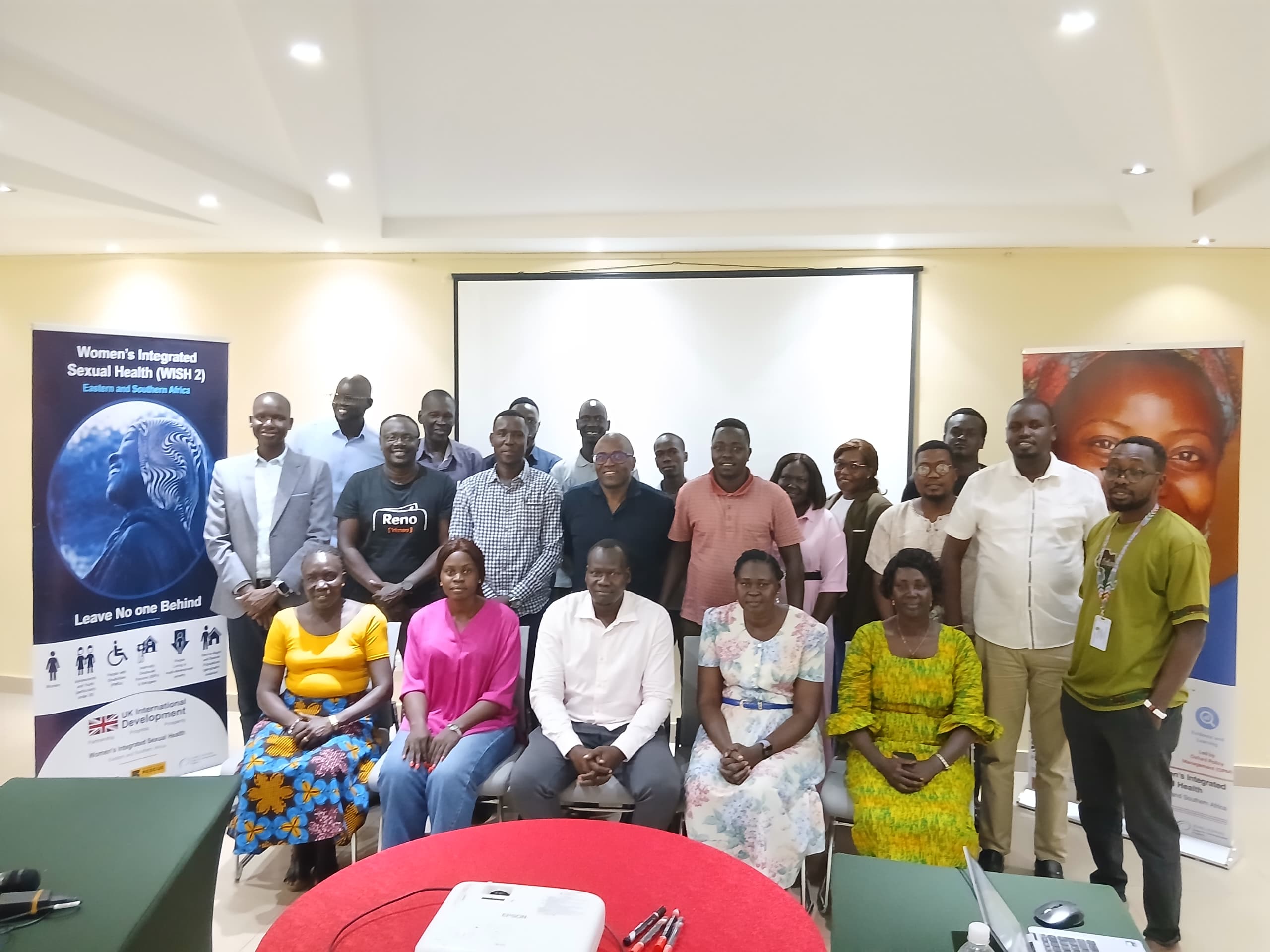
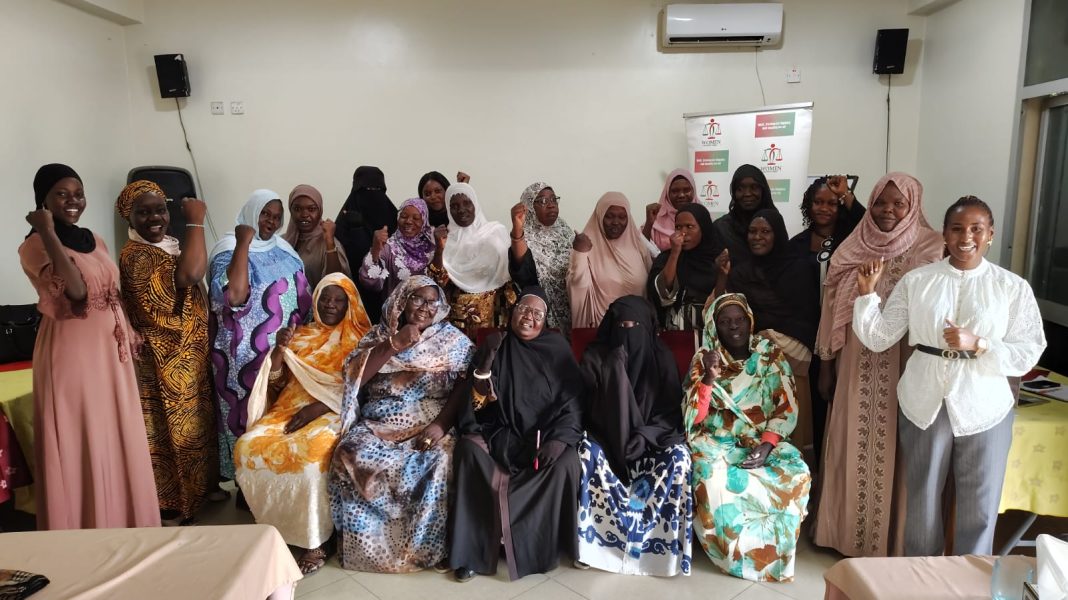
Muslim women in South Sudan are calling for greater inclusion in efforts to address gender-based violence (GBV) and in shaping family law, following a dialogue held in the capital, Juba.
The half-day engagement, organised by the Women for Justice and Equality, brought together women leaders from mosques and Islamic institutions to discuss early marriage, women’s rights, and their role in community advocacy.
Organisers said the aim was to amplify voices from communities that are often underrepresented in national conversations on GBV and legal reform.
“We are engaging communities that have remained largely silent,” said the group’s executive director, Zabib Musa Loro. She said discussions focused on the links between faith, human dignity and human rights, particularly in addressing harmful practices.
Participants identified early marriage as a major concern, citing poverty, limited access to education and a lack of economic opportunities as key drivers.
Some said families marry off their daughters due to high school costs and limited scholarship opportunities.
Several speakers described early marriage as both a social and legal issue, calling for stronger community-based prevention measures, including awareness campaigns within religious spaces.
Women at the meeting also highlighted the need for economic empowerment, saying financial independence would allow women and girls to make more informed choices about their futures.
Salma Haider said the discussion had been an “eye-opener”, particularly on the impact of early marriage and early pregnancy on girls’ education.
“We learned that young girls are being married before they are ready to manage families,” she said, urging parents to prioritise schooling. “Education, then education, then education—girls should not leave school early.”
Others said the dialogue had challenged long-held assumptions. Awatif Abbas Suleiman said some cultural practices were followed without fully understanding their consequences.
“This workshop opened my eyes,” she said. “Some traditions are followed without understanding their impact.”
She warned that girls married at a young age often face difficulties raising families and have limited opportunities for education and economic stability.
She urged parents to guide their children and delay marriage until they are ready.
The discussion also touched on South Sudan’s proposed family bill, with participants expressing interest in contributing to legal frameworks that affect their communities.
Organisers say future initiatives will focus on expanding consultations and strengthening women’s participation in policymaking, as part of broader efforts to ensure more inclusive approaches to addressing GBV in South Sudan.