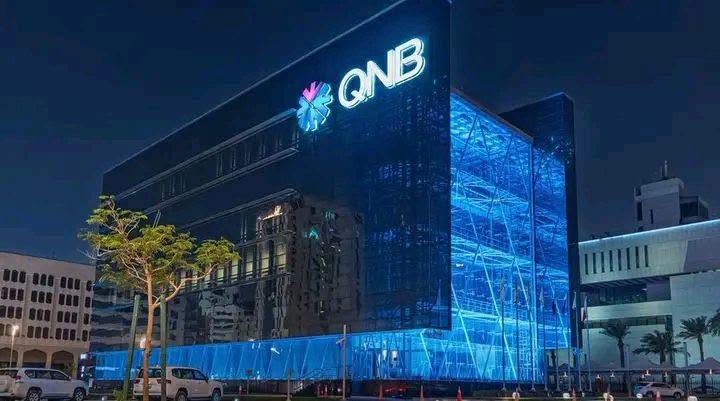
A United States federal court has ordered South Sudan to pay more than $1.02 billion to Qatar National Bank (QNB), enforcing an international arbitration award over the country’s failure to repay a sovereign loan.
The ruling by the U.S. District Court in Washington, D.C., confirms an award issued by the International Centre for Settlement of Investment Disputes (ICSID), clearing the way for the Qatari lender to seek enforcement against South Sudanese assets that fall under U.S. jurisdiction.
The dispute dates back to 2018, when Qatar National Bank extended a $700 million loan to South Sudan to help ease mounting financial pressures as the country grappled with the economic consequences of years of conflict.
According to court records, South Sudan later defaulted on its repayment obligations, prompting the bank to initiate arbitration proceedings before ICSID in 2020.
The arbitration tribunal ruled in favour of the bank and subsequently awarded $1.021 billion, reflecting the unpaid principal, accumulated interest, fees and legal costs.
Seeking to prevent the award from being enforced in the United States, South Sudan argued that the underlying loan agreement had been tainted by corruption and should therefore be declared unenforceable.
However, the federal court rejected that argument, finding no legal grounds to overturn the arbitration decision.
The judge held that U.S. courts have only limited authority to review international arbitration awards and cannot revisit the merits of disputes that have already been determined by an arbitral tribunal, except in narrowly defined circumstances.
By confirming the award, the court reinforced the legal standing of ICSID decisions, which are recognised and enforceable in many jurisdictions under international treaties governing investment disputes.
The judgment is one of the largest financial awards ever enforced against South Sudan and represents a significant setback for the government as it confronts a prolonged economic crisis marked by inflation, currency depreciation and declining public revenues.
Legal analysts say the decision could complicate South Sudan’s future access to international credit, as sovereign borrowers’ compliance with financial obligations is closely monitored by international lenders and investors.
The ruling also strengthens Qatar National Bank’s ability to pursue South Sudanese commercial assets abroad were permitted under U.S. law, although sovereign assets protected by immunity remain subject to separate legal considerations.
The case highlights the growing role of international arbitration in resolving disputes involving sovereign debt and demonstrates that governments may face substantial financial consequences when commercial obligations remain unpaid.
South Sudan has not publicly indicated whether it will pursue further legal avenues following the U.S. court’s decision. :::