South Sudan has ordered an end to illegal tax waivers as part of a wider effort to increase domestic revenue and curb the misuse of tax exemption privileges.
The directive follows a Republican Decree issued by President Salva Kiir Mayardit on 6 July, establishing a high-level ministerial committee to review and revoke all tax exemptions granted without a legal or statutory basis.
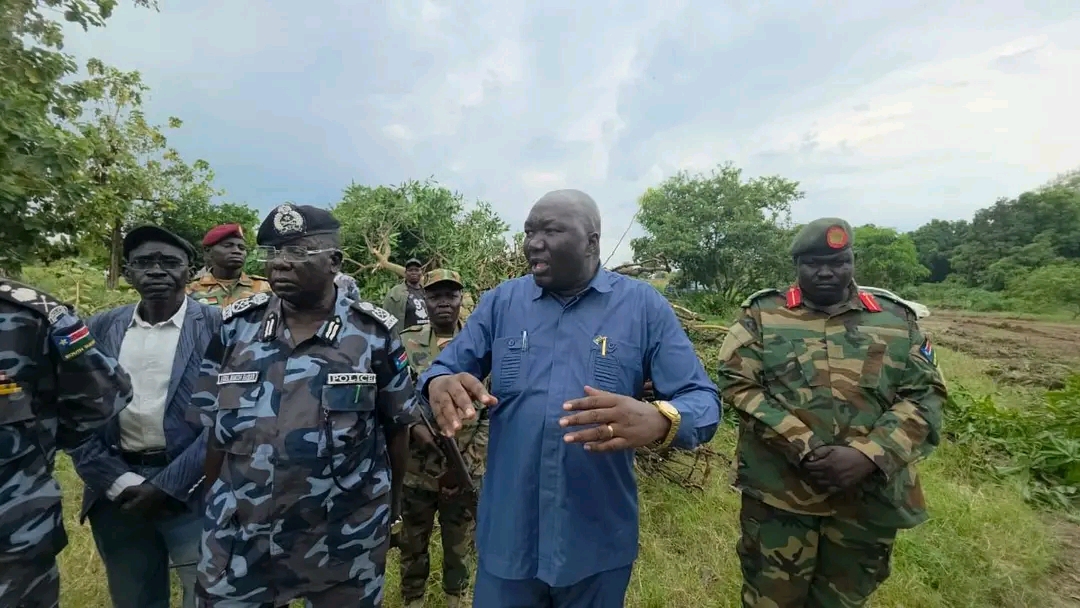
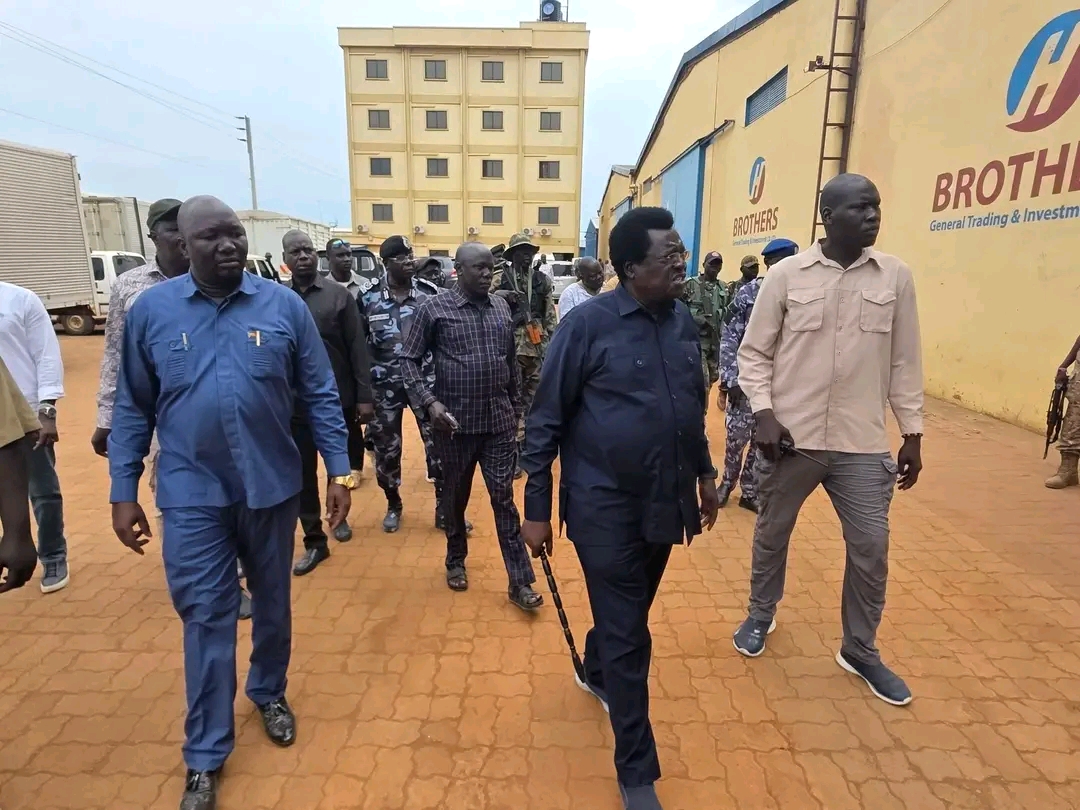
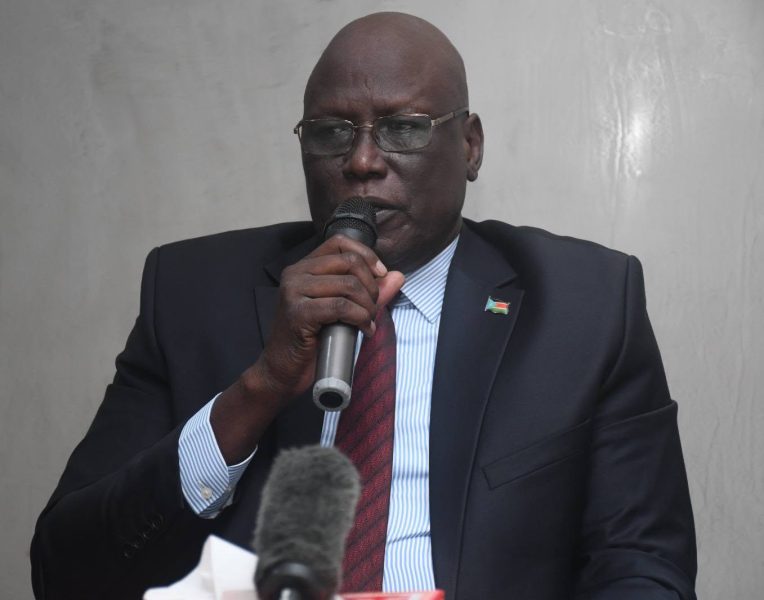
Speaking to customs officers and members of the organised forces in Nimule on Friday, the Commissioner General of the South Sudan Revenue Authority (SSRA), Ambassador Moun Deng Ajuet, said unlawful tax exemptions had become a major source of revenue loss.
He said South Sudan recognises tax exemptions under only two legal frameworks: the Status of Forces Agreement (SOFA), which applies to the United Nations, international organisations and humanitarian agencies, and the Vienna Convention, which grants diplomatic privileges and immunities to accredited foreign missions.
Mr. Deng said some contractors and businesses had been abusing the system by importing vehicles and other goods under the names of individuals or institutions legally entitled to tax exemptions, despite the imports being intended for commercial use.
He declared that the practice would no longer be tolerated, saying all illegal tax waivers had been abolished and that contractors and individuals would no longer be allowed to exploit exemption privileges outside the law.
According to the SSRA chief, the presidential committee chaired by the Minister of East African Community Affairs, General Pieng Deng Kuol has been tasked with identifying unlawful exemptions, cancelling them, and strengthening compliance with the country’s tax laws.
“We want to collect the revenue because our country needs resources,” Mr. Deng said, urging customs officials to enforce the directive without exception.
The Commissioner for Customs, John Mading Bol, said the new measures followed consultations between the SSRA leadership and the presidency aimed at improving domestic revenue mobilisation.
He called on customs officials to implement the directive fully.
At the Nimule border post, Assistant Commissioner for Customs Malith Jacob Apiu said widespread use of tax exemptions had significantly reduced government revenue, with many companies diverting imports through exemption arrangements instead of paying the required duties.
He expressed confidence that ending unlawful tax waivers would increase customs collections and ensure more revenue reaches government accounts.
Under the presidential decree, the review committee has also been mandated to recommend legal action and disciplinary measures against public officials, companies or individuals found to have unlawfully issued, facilitated or benefited from non-statutory tax exemptions.