The Ministry of Health has reassured the public that South Sudan has not recorded any confirmed cases of Ebola Virus Disease (EVD), despite outbreaks reported in parts of the region, saying the country has significantly strengthened its preparedness measures to prevent any possible importation of the virus.
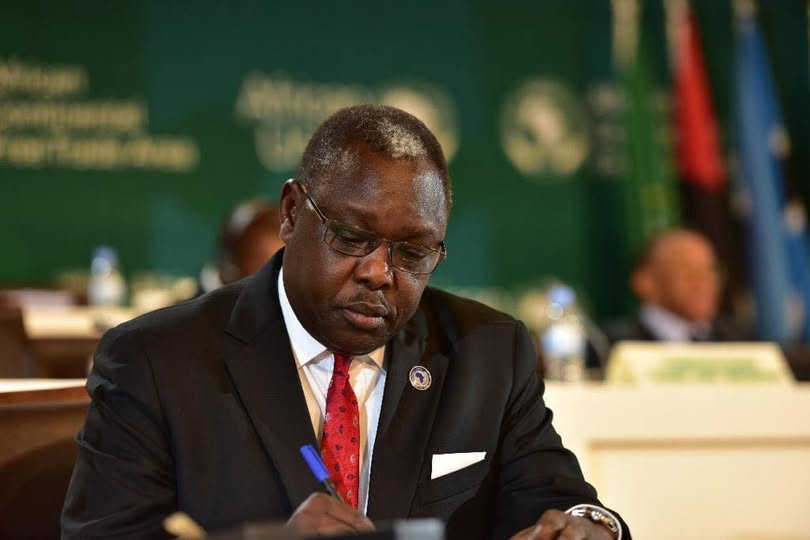
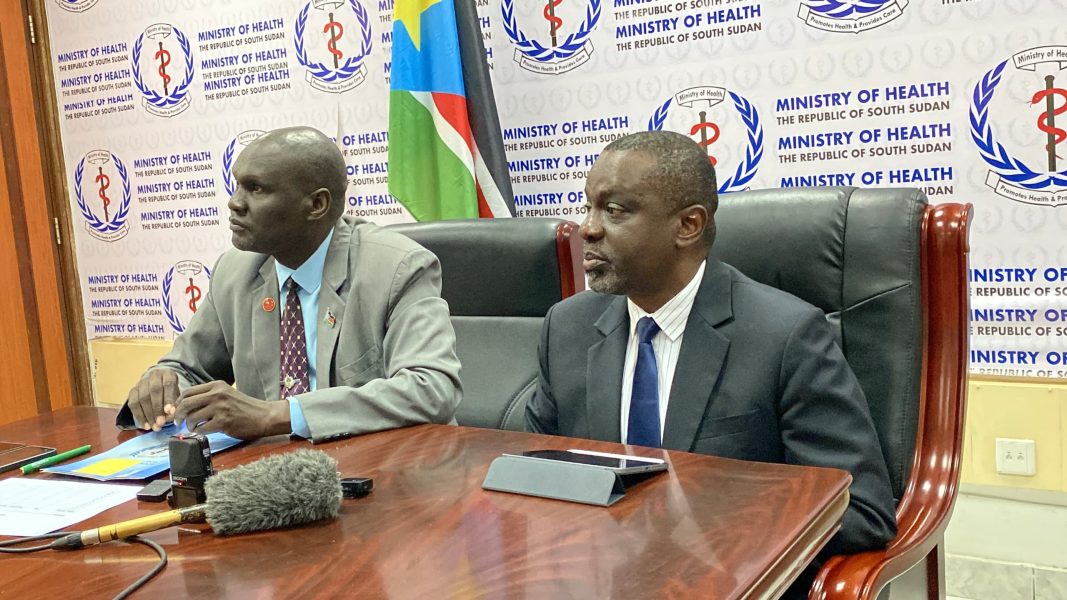
Speaking during a press conference in Juba on Thursday, the Undersecretary in the Ministry of Health, Dr. Orom Francis, said the government had activated the National Ebola Virus Disease Preparedness and Response Plan and was working closely with the World Health Organization (WHO), United Nations agencies, health partners, neighboring countries, and regional public health institutions to enhance the country’s readiness.
Dr. Orom said laboratory testing has so far ruled out Ebola infections in South Sudan.
“To date, the national laboratory has tested seven suspected samples, and all have returned negative results for Ebola Virus Disease. South Sudan has not recorded any confirmed case of Ebola,” he said.
He explained that the government’s ongoing preparedness activities are precautionary and should not be interpreted as an indication that the virus has entered the country.
According to Dr. Orom, South Sudan’s geographical location and its extensive cross-border movement with neighboring countries make it necessary to remain vigilant, particularly following recent Ebola outbreaks in the region.
He said the Ministry has intensified surveillance systems across the country, strengthened alert management and laboratory readiness, and equipped rapid response teams to ensure any suspected cases can be detected and contained quickly.
The preparedness measures also include targeted health screening at priority points of entry and along major population movement corridors, improved infection prevention and control measures, enhanced coordination between national and state health authorities, and expanded risk communication and community awareness campaigns.
Dr. Orom said South Sudan continues to collaborate closely with regional and international partners, including the WHO, the Africa Centres for Disease Control and Prevention (Africa CDC), the East African Community (EAC), and neighboring countries to monitor disease trends and share timely public health information.
He emphasized that responses to public health emergencies should be guided by scientific evidence and internationally accepted health regulations, warning that excessive restrictions can negatively affect humanitarian operations, trade, and the movement of essential medical personnel.
“We encourage countries to adopt proportionate, risk-based public health measures that protect communities without unnecessarily disrupting international travel and trade,” he said.
The Undersecretary also appealed to countries and diplomatic missions to lift visa and travel restrictions imposed on South Sudanese citizens over Ebola concerns, noting that the country has not detected any case of the disease.
“The Government of South Sudan reiterates its call on countries around the world and diplomatic missions accredited to South Sudan to remove visa and travel restrictions imposed on our citizens because there is no confirmed Ebola case in the country,” Dr. Orom said.
He reaffirmed the Ministry’s commitment to transparency, timely public communication, and evidence-based decision-making, while urging members of the public to remain calm, follow official health updates, and continue observing recommended disease prevention measures as the country strengthens its preparedness against potential cross-border health threats.