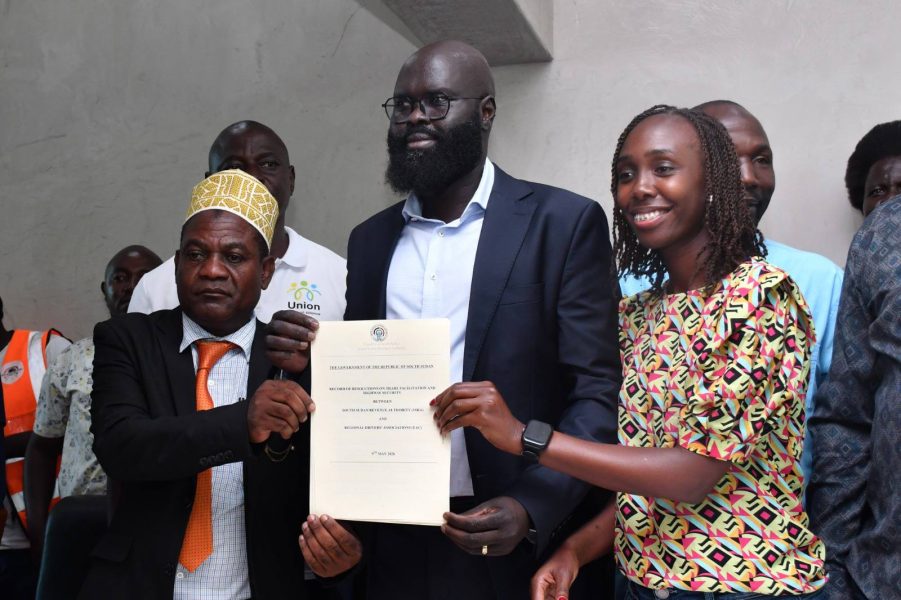
The South Sudan government and regional long-distance truck drivers have signed an agreement aimed at ending a two-week strike that disrupted cargo transportation and trade along the vital Juba–Nimule Highway.
The agreement followed three days of negotiations between a high-level government delegation and representatives of transport unions from across the region, raising hopes for the resumption of cargo movement into South Sudan.
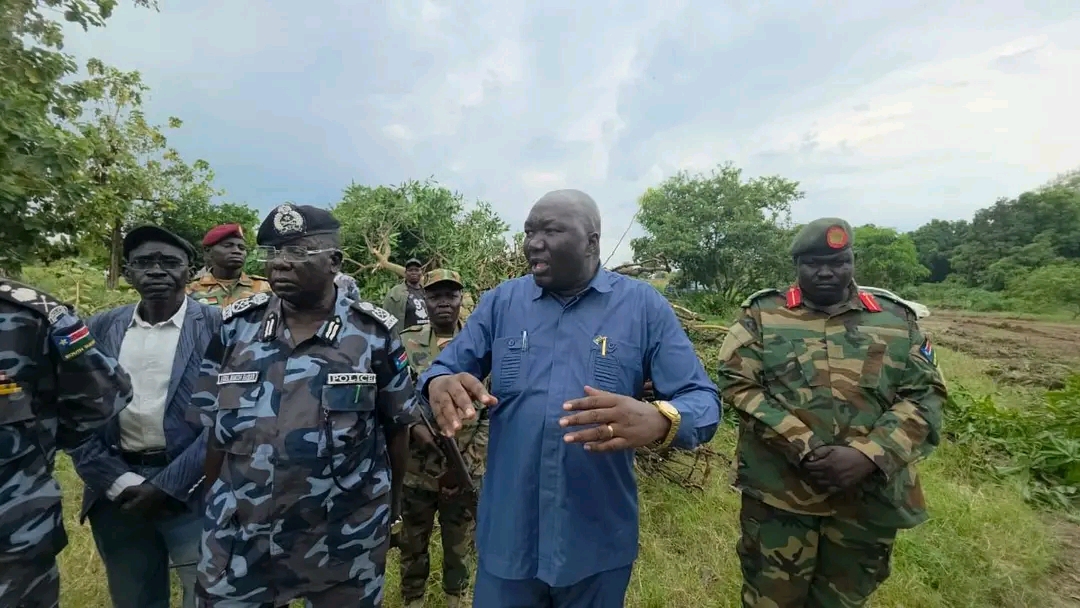
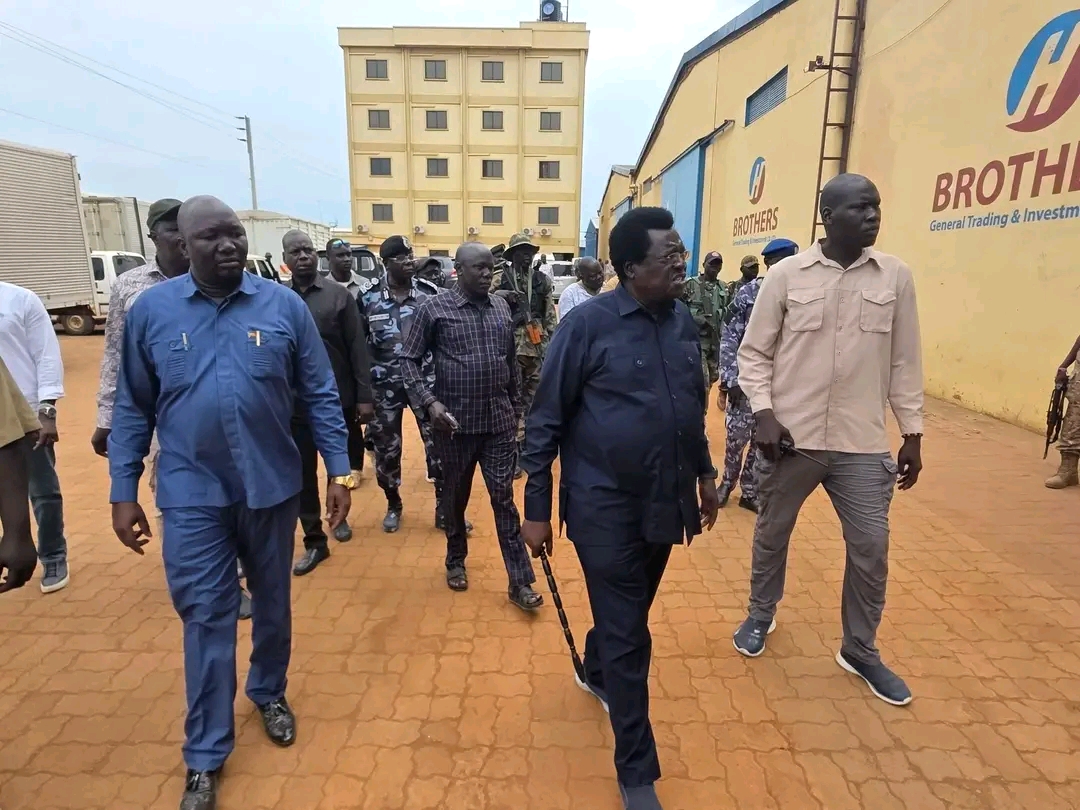
The government delegation was led by Deputy Commissioner General of the South Sudan Revenue Authority (SSRA), Solomon Ariik Manyok, alongside officials from organized forces and other authorities.
The strike involved truck drivers mainly from Kenya, Uganda, and Somalia, who halted transportation services over growing insecurity, alleged attacks on drivers, illegal charges, and harassment along the Juba–Nimule route South Sudan’s main commercial corridor linking the country to East African markets through Uganda.
Under the agreement signed Saturday in Nimule, the government committed to removing unnecessary checkpoints and abolishing illegal fees and unauthorized collections imposed on truck drivers along the highway.
Authorities also pledged to deploy additional security personnel to improve protection for drivers, passengers, and communities living along the route.
The deal further stated that only legally recognized taxes, duties, and levies would be collected, while unlawful charges imposed by some security personnel and agencies would be stopped immediately.
Among the fees abolished are illegal immigration charges, unlawful CID collections, unauthorized checkpoint fees at Nimule, Jebel, Aru Junction, Nesitu, and Juba Bridge, as well as the SSP 90,000 stamp duty fees reportedly charged at exit gates.
The agreement also ordered the immediate end to extortion, intimidation, harassment, robbery, and assault targeting truck drivers operating along the highway.
In addition, the government promised to engage relevant ministries on the rehabilitation of the Juba–Nimule Highway, which transporters say has deteriorated and contributed to insecurity and delays.
Authorities also agreed to review and remove unnecessary checkpoints within Juba City, Bor, and roads leading to Bahr el Ghazal, where drivers alleged they were frequently subjected to extortion and repeated taxation.
To ensure implementation of the resolutions, the parties agreed to establish an ad hoc joint task force committee tasked with monitoring compliance and addressing future grievances.
The agreement was signed on behalf of the government by SSRA Deputy Commissioner General Solomon Ariik Manyok and Major General Akuei Ajou Akuei.
Representing the regional transport associations were Mercy Murungi Ireri, Sudi Kauli Mwatela, Asadu Musisi, Joseph M. Nzuva, Isaac Katabazi, Joseph Sewaguma Golo, Abbas Twesigye, Geoffrey Ssebyala, Jaafar Wardere, and Patrick Morris Okech.
Speaking to journalists after the signing ceremony, Long Distance Drivers Union Chairperson Sudi Kauli Mwatela welcomed the agreement but stressed that implementation would determine its success.
“What we want to see is implementation and protection of our drivers because security is in the hands of the South Sudan authorities,” Mwatela said.
He added that truck operations would resume once the unions finalize movement arrangements and communicate with drivers.
In his closing remarks, Solomon Ariik Manyok reaffirmed the government’s commitment to implementing all aspects of the agreement and restoring confidence among regional transporters.
“On our side, we are committed to implementing everything that we have signed today,” he said.
The Juba–Nimule Highway serves as South Sudan’s most important trade corridor, handling the majority of imported goods entering the country. The prolonged strike had raised fears of shortages and rising prices of essential commodities in markets across the country.