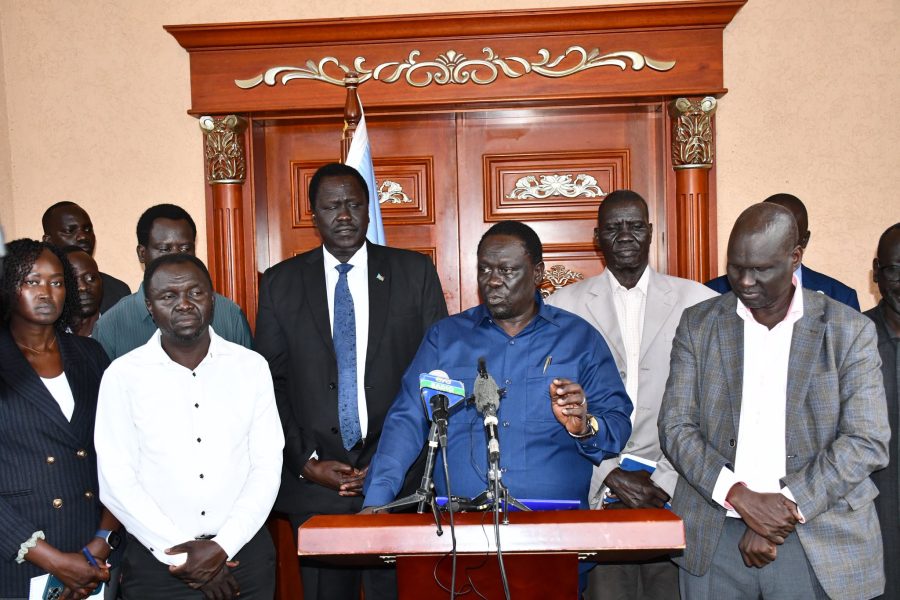
South Sudan says it has intensified Ebola prevention and surveillance measures at border entry points and airports following reported outbreaks of the deadly virus in neighboring Uganda and the Democratic Republic of Congo.
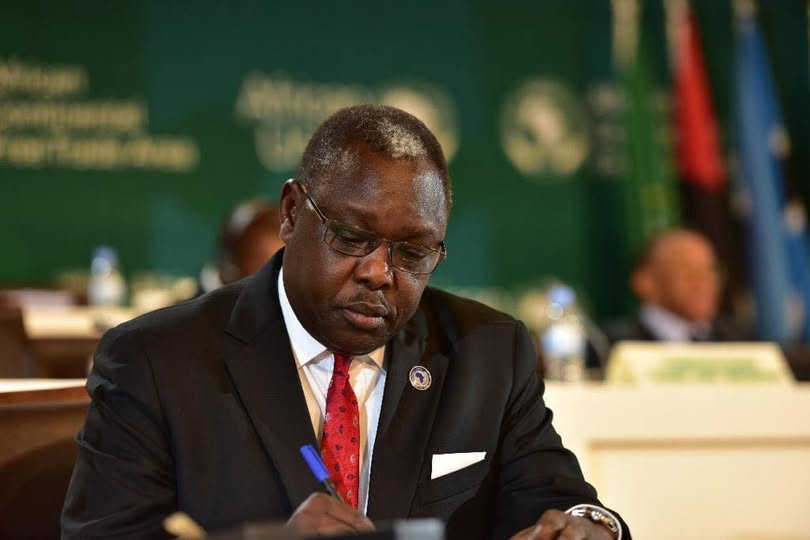
The announcement was made in a press statement issued by Vice President Hussein Abdelbagi Akol, who also chairs the Service Delivery Cluster.
Abdelbagi said the government is closely monitoring the situation and has directed health authorities and local administrations to strengthen preparedness efforts across the country to prevent any possible spread of the disease into South Sudan.
He noted that although no Ebola case has been confirmed in South Sudan, the movement of people across regional borders increases the risk of transmission, making vigilance and public cooperation essential.
The Vice President urged citizens to remain calm but alert, stressing that Ebola is a highly infectious disease that spreads through direct contact with infected persons, bodily fluids, or contaminated materials.
Authorities have now increased health screening and monitoring at border crossings, airports, and other public entry points as part of nationwide preventive measures.
Citizens were advised to observe strict hygiene practices, including frequent handwashing with soap and clean water or the use of alcohol-based sanitizers.
The government also discouraged unnecessary physical contact such as handshakes and urged the public to immediately report anyone showing symptoms associated with Ebola, including fever, vomiting, diarrhea, bleeding, or sudden weakness.
Abdelbagi further appealed to communities to avoid handling dead bodies without proper medical guidance and to cooperate fully with health screening teams deployed across the country.
State governors and chief administrators have also been instructed to raise public awareness on Ebola prevention measures and strengthen local preparedness efforts.
The government, through the Ministry of Health and its partners, says it continues to enhance surveillance, emergency response systems, and public health coordination nationwide.
Officials also warned against the spread of rumors and misinformation, urging citizens to rely only on official communication channels for updates and health guidance.
The Vice President emphasized that protecting South Sudan from Ebola requires collective responsibility, discipline, and strict adherence to preventive measures by all citizens and residents.