South Sudan has renewed its commitment to eliminating obstetric fistula, a debilitating childbirth injury that continues to affect women and girls across the country, with officials pledging increased investment in maternal healthcare, skilled birth attendance and reproductive health services.
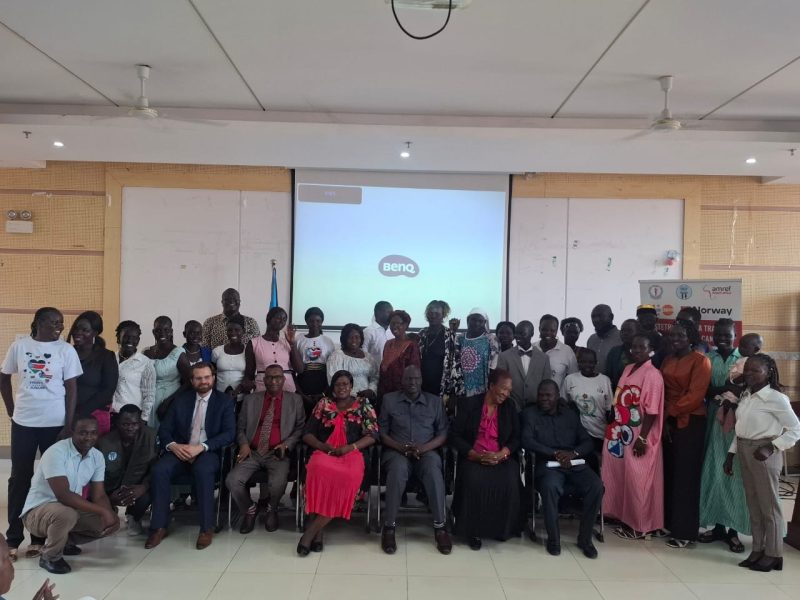
The pledge was made during national commemorations of the International Day to End Obstetric Fistula 2026 in Juba, where government officials, healthcare workers, development partners and survivors called for stronger efforts to prevent and treat the condition.
Obstetric fistula is a serious childbirth injury usually caused by prolonged and obstructed labour without timely medical intervention.
The condition can leave women with chronic incontinence and other health complications, often resulting in social isolation, stigma and economic hardship.
Speaking at the event, Undersecretary in the Ministry of Gender, Child and Social Welfare, Adeng Andrew Malual, described obstetric fistula as both a public health challenge and a human rights issue.
“Every woman and girl has the right to quality healthcare, dignity and safety during pregnancy and childbirth,” she said.
“Ending fistula requires collective action to ensure women can access the services they need, regardless of where they live.”
Malual said many women in South Sudan continue to face significant barriers to maternal healthcare, particularly in rural areas where health facilities are scarce and access to skilled medical personnel remains limited.
She pointed to poverty, insecurity, long distances to health centres, child marriage and adolescent pregnancy as some of the factors contributing to obstetric complications and preventable childbirth injuries.
The government official called for increased investment in emergency obstetric care, improved health infrastructure and greater public awareness on the risks associated with early marriage and teenage pregnancy.
She also urged support for survivors through medical treatment, counselling and livelihood programmes aimed at helping women rebuild their lives after recovery.
Officials say progress is being made despite ongoing challenges.
Representing the Ministry of Health, Undersecretary Dr Oromo Francis said South Sudan has expanded access to fistula treatment and strengthened maternal healthcare services in recent years.
According to the ministry, more than 3,000 trained midwives are now serving communities across the country, helping to improve access to skilled birth attendance and reduce the risk of childbirth complications.
Dr Oromo said the government is also moving away from relying solely on periodic surgical campaigns and is integrating fistula treatment into routine hospital services.
He noted that both Juba Teaching Hospital and Wau Teaching Hospital are now capable of conducting fistula repair surgeries on a regular basis, allowing more women to receive treatment closer to home.
Health officials reported that 554 fistula cases were repaired during 14 surgical campaigns conducted in 2025.
The ministry says the expansion of services has reduced waiting times for surgery from between two and three years to about three months.
In addition, 67 healthcare professionals have been trained in fistula management, while focal persons have been established in all 79 counties to strengthen case identification and referrals.
Authorities also say 370 survivors received counselling, vocational skills training and economic support to facilitate their reintegration into society.
Despite these gains, health experts caution that prevention remains the most effective strategy.
Dr Oromo urged expectant mothers to seek delivery services in health facilities staffed by trained healthcare workers and called for greater investment in family planning, reproductive health education and community awareness programmes.
“We must move from emergency operations to sustainable services,” he said. “Prevention is better than repair, and every woman deserves safe childbirth supported by skilled healthcare professionals.”
The event was organised by the Ministry of Health in partnership with the South Sudan Nurses and Midwifery Association, Amref Health Africa and the United Nations Population Fund (UNFPA), with support from the Government of Norway.
Participants concluded the commemoration by calling for closer collaboration between government institutions, healthcare providers, development partners and communities to ensure that no woman suffers preventable childbirth injuries.
For many advocates, the goal is not only to treat fistula but to prevent it altogether by ensuring every woman has access to safe pregnancy and delivery services a challenge that remains central to improving maternal health outcomes in South Sudan.