The US warned that UN peacekeeping missions must adapt or face closure, citing frustration with long-running operations in fragile states like South Sudan.
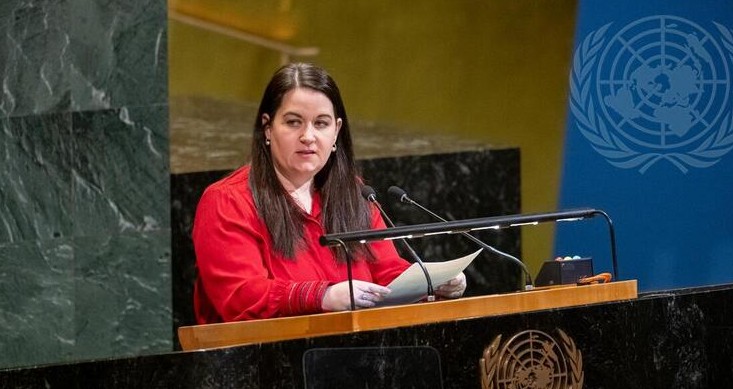
Speaking at the Council, US representative Ambassador Jennifer Locetta said peacekeeping missions were never intended to be permanent fixtures, stressing that they should help countries navigate crises only until they are able to manage their own security.
“When conditions change, peacekeeping missions need to adapt or close,” she said, arguing that some operations have drifted into “open-ended commitments” that consume billions of dollars while delivering limited political progress.
The remarks singled out the United Nations Interim Security Force for Abyei (UNISFA), deployed along the disputed Sudan–South Sudan border, as a clear example of a mission that has outlived its intended purpose.
According to the US, the force has operated for more than 15 years with little progress on key issues, including border demarcation, the demilitarisation of Abyei, and a final agreement on the region’s status.
Washington also accused both Sudan and South Sudan of undermining the mission’s effectiveness through bureaucratic obstruction, including delays in approving key appointments and denying visas to mission personnel.
The US warned that unless tangible progress is made on these benchmarks, continued renewal of such missions should not be assumed. “Renewal must be earned—never automatic,” the ambassador said.
The statement reflects growing concern among some Security Council members that peacekeeping operations are being maintained without clear outcomes, even as host governments fail to meet their commitments.
However, the US also pointed to the UN mission in the Central African Republic (MINUSCA) as a more positive example.
It welcomed recent efforts to reposition forces following elections and called for a gradual handover of responsibilities to national authorities in more stable areas.
Analysts say the US position could signal a tougher approach in upcoming mandate negotiations, particularly for missions seen as stagnant or obstructed.
For South Sudan and the wider region, the message is clear: greater cooperation and measurable progress will be required if international peacekeeping support is to continue.