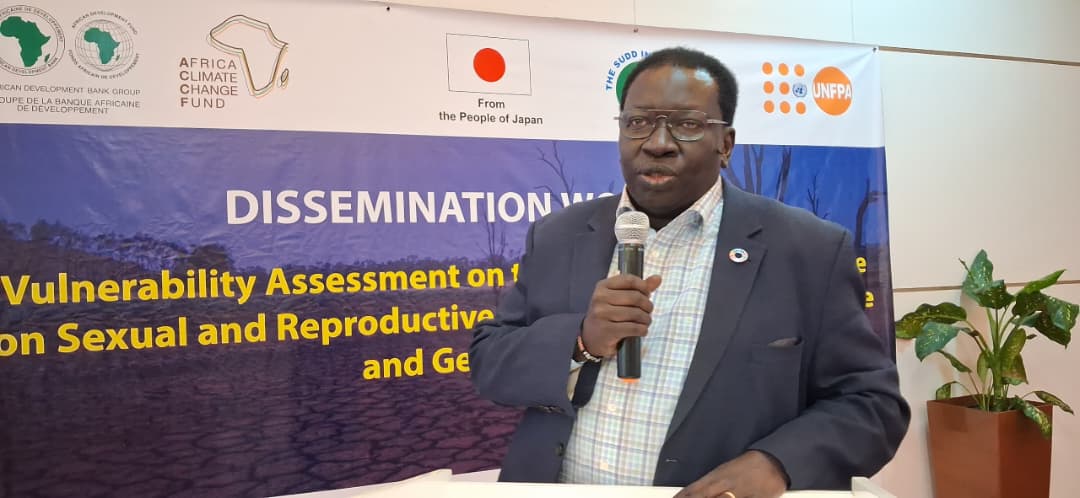
South Sudan will require an estimated $100 billion to protect itself from the escalating impacts of climate change, according to Joseph Africano Bartel, Undersecretary at the Ministry of Environment and Forestry.
Bartel emphasized that the country is already experiencing a climate crisis despite contributing minimally to global greenhouse gas emissions.
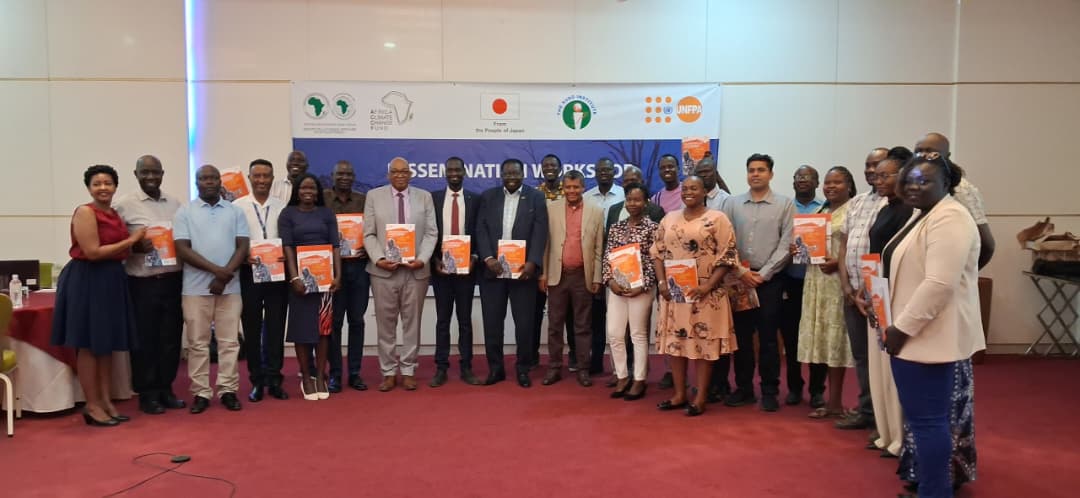
The remarks were made in Juba during the dissemination of a national vulnerability assessment examining the effects of climate change on sexual and reproductive health (SRH), gender-based violence (GBV), and gender equality, with a focus on women and girls.
“Climate change is an existential threat. We are close to overshooting the 1.5 degrees Celsius target agreed in Paris in 2015. If that happens, the impacts will triple, and countries like South Sudan will suffer the most,” Bartel said.
Over the past five to six years, South Sudan has faced recurrent flooding, which has affected more than two million people, killed millions of cattle, and destroyed vast areas of crops.
Bartel said these floods have displaced families into camps and open areas, increasing the vulnerability of women and girls to abuse as they search for water and food.
The report also highlighted prolonged droughts in eastern regions such as Kapoeta and rising heatwaves in the capital, Juba, which have forced school closures for two consecutive years.
“These are lived realities,” Bartel noted. “Yet our emissions are negligible. We did not cause this crisis.”
Speaking at the event, Innocent Modisaotsile, UNFPA Country Representative a.i., described the assessment as more than a research exercise, calling it a turning point in understanding how climate change is reshaping lives in South Sudan.
“Floods, droughts, and extreme heatwaves are not just environmental issues; they are human rights issues,” Modisaotsile said.
“They destroy food security, displace families, restrict access to healthcare, and heighten the risk of gender-based violence.”
The study is considered one of the first comprehensive assessments of its kind in the country. Its findings have been shared at Africa Climate Week in Addis Ababa and the COP in Brazil, positioning South Sudan as a reference point for other nations facing similar climate vulnerabilities.
Bartel stressed that the report’s findings will inform South Sudan’s NDC 3.0, ensuring that gender and social vulnerabilities are reflected in national climate commitments.
“Without financing, reports remain reports,” he said, highlighting the urgent need for international climate support.
The report also pointed to severe energy poverty in the country, with less than 3 percent of the population having access to electricity and only 56 megawatts generated nationwide, mostly concentrated in Juba.
Both speakers called for increased international climate finance, emphasizing that climate-proofing South Sudan is not optional but essential for the survival of its people, particularly women and girls who are disproportionately affected by climate shocks.
Bartel concluded by urging global partners to take immediate action, warning that without sufficient funding and climate adaptation measures, South Sudan risks facing worsening humanitarian, social, and economic crises in the coming years.