South Sudan’s home-based stakeholders and political parties have officially opened the long-awaited Consultative Dialogue in Juba, with the ruling SPLM-IG and its allied political groups leading the first phase of discussions.
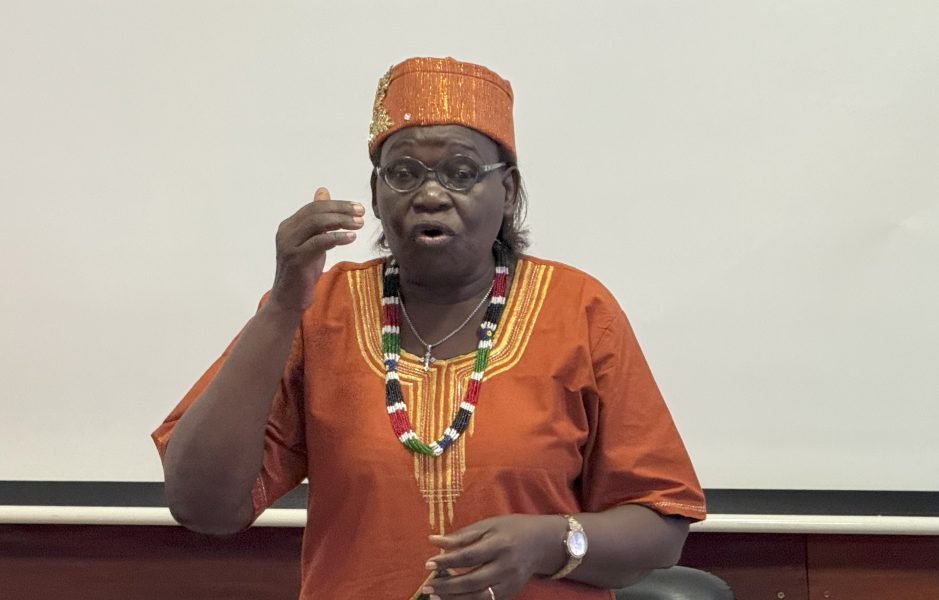
Speaking during Monday’s opening session, SPLM Second Deputy Chairperson Mary Apayi Ayiga described the dialogue as a critical undertaking as the country prepares for the upcoming elections.
“It is time for us as politicians to be patriotic to the country, and that comes with us putting the country first. The people and our own interest come last,” Apayi stated. She urged her group to engage constructively and generate a path forward that would usher the country into lasting peace.
The four-day consultative workshop has brought together key SPLM officials, including Bol Makueng, the SPLM National Secretary for Political Affairs, Mobilization, and Organization, Secretary for Information Daniel Badagbu Rimbasa, and other senior party members alongside their allied political organizations.
Monday’s discussions were also attended by representatives from political parties, civil society groups, the European Union, faith-based organizations, and UNMISS Political Affairs Division, all aiming to collectively move the country forward.
The dialogue is being conducted in two phases, with the first running from Monday to Friday this week. Phase two will take place from 1–5 December, bringing together all parties and stakeholders for joint deliberations aimed at renewing political commitments and resolving persistent obstacles hindering the full implementation of the peace agreement.
According to activist Edmund Yakani, Executive Director of CEPO, the consultative dialogue is designed to break the ongoing stalemate over key provisions of the peace deal. He noted that the process will include SPLM-IO under the suspended First Vice President Dr. Riek Machar, SSOA under Josephine Lagu, the OPP, and the Former Detainees.
Yakani added that the dialogue will also extend beyond the signatories to engage all registered political parties and emerging splinter groups. “We want to talk to every political establishment as an entity to generate national consensus,” he said.
He warned that any political actor seeking to obstruct the process would be publicly named as a spoiler and profiteer of violence, stressing that citizens deserve leaders committed to peace. Yakani reaffirmed that dialogue remains the only viable path to resolving the current political deadlock.
He further noted that the sessions will be open to the media and hosted at the South Sudan Council of Churches Conference Hall.
The ongoing discussions are sponsored by CEPO and its partners, who have pledged to provide regular updates throughout the consultative meetings.