
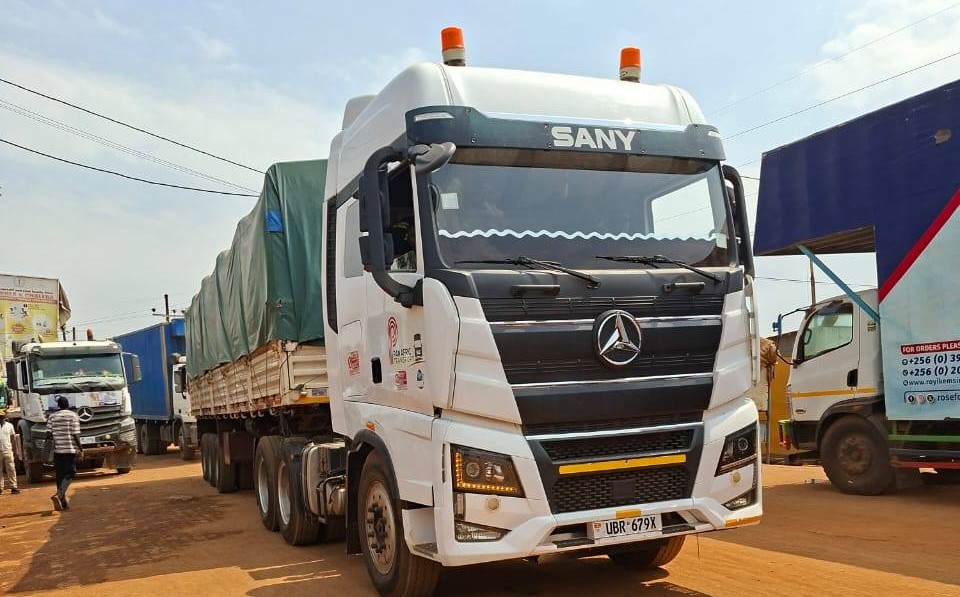
The South Sudan National Bureau of Standards (SSNBS) has turned back 16 trucks carrying food consignments at the Nimule Border Station after the goods failed to meet the country’s required national quality standards.
According to information shared on the official SSNBS page, inspectors stationed at the Nimule port of entry conducted routine conformity assessment checks on imported goods and found that several consignments did not comply with the bureau’s safety and quality requirements.
The rejected cargo included 14 trucks of maize grains, one truck of maize flour, and one consignment of beans. As a result, the trucks were ordered to be re-exported to the country of origin in line with national regulations governing imports.
SSNBS said the exercise is part of its ongoing mandate to ensure that all goods entering South Sudan meet the country’s approved standards for quality, safety, and consumer protection.
The trucks that were denied entry carried the following registration numbers: UBD 598 Q, UBD 648 Q, UBS 071 G, UBR 680 X, UBR 679 X, UBN 527 W, UBR 701 X, UBR 724 X, UBR 467 X, UBD 551 Q, UBR 697 X, UBR 699 X, UBA 375 H, UBQ 884 P, UAT 422 U, and SSD 707 AG.
In its statement, the bureau noted that inspections at border entry points are conducted regularly to verify that imported products comply with national standards before being allowed into the local market.
The Nimule Border Station, located along the South Sudan–Uganda frontier, serves as the country’s busiest trade gateway, handling a large volume of imports including food commodities and essential goods destined for markets across South Sudan.
SSNBS inspectors at the border carry out conformity assessment procedures that include reviewing documentation, conducting physical inspections, and verifying product standards to ensure that goods meet the required specifications.
The bureau emphasized that consignments found to be substandard or non-compliant are not allowed into the country and are either returned to their country of origin or handled according to regulatory procedures.
Authorities say the strict enforcement of quality standards is intended to protect consumers from unsafe or low-quality products and to promote fair trade practices within South Sudan’s markets.
The bureau also noted that not all photos related to the inspection exercise were attached in the initial update.
SSNBS continues to urge importers and traders to ensure their goods meet South Sudan’s national standards and certification requirements before shipment in order to avoid losses resulting from rejected consignments at border entry points.