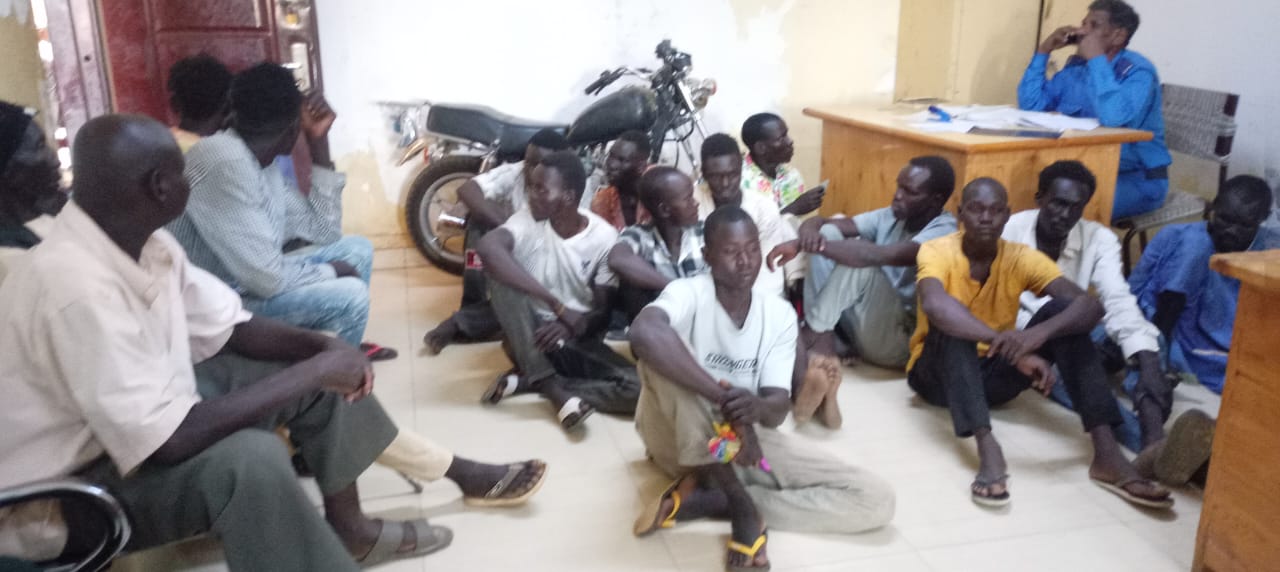
A criminal court in Al Dabbah in Sudan’s Northern State has ordered the deportation of 23 South Sudanese nationals, raising concerns among hundreds of South Sudanese residents who fear they could also be forced to leave the area.
According to preliminary information, the court issued the deportation order after the 23 individuals were arrested from their homes.
Relatives and community members said those detained were not allowed to take their personal belongings or household property with them.
The legal grounds for the court’s decision remain unclear, and Sudanese authorities have not publicly disclosed the charges against the individuals or indicated when the deportation order will be carried out.
The ruling comes days after the Committee for the Registration and Control of Foreign Presence reportedly issued an eight-day deadline requiring foreign nationals to leave Al Dabbah, prompting anxiety among South Sudanese families who have lived in the town for decades.
Many residents say they own homes, businesses and other property, while their children attend local schools, making the prospect of relocation particularly difficult.
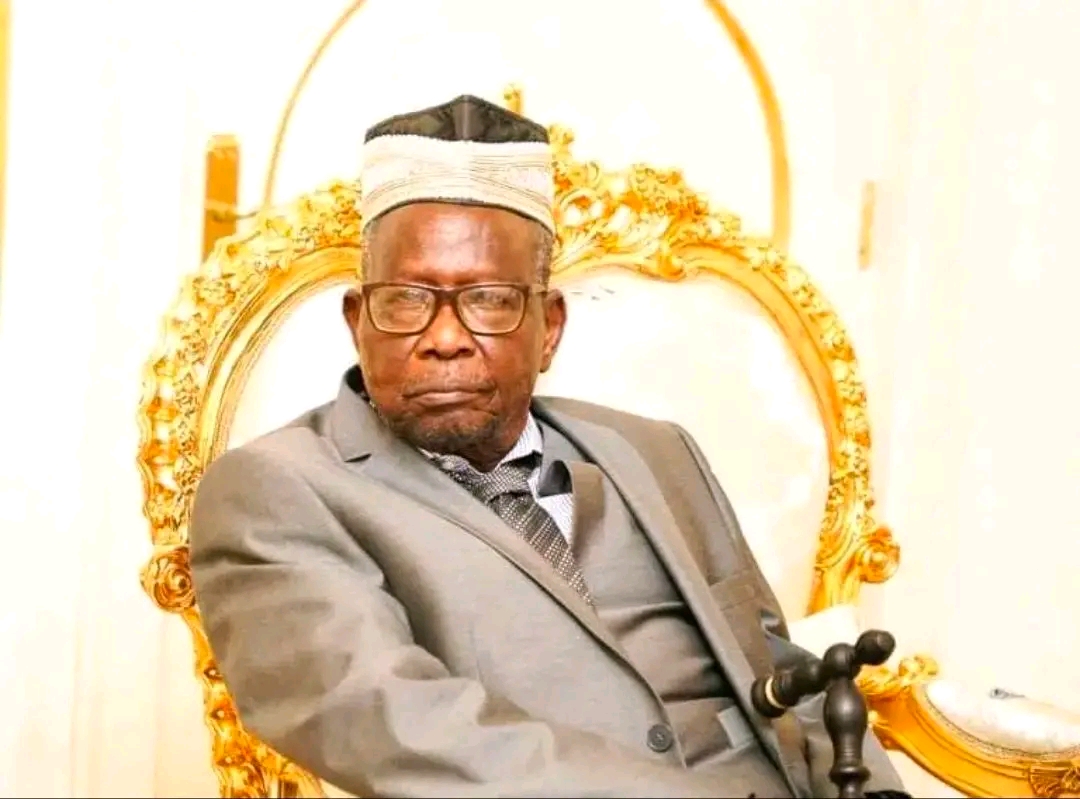
Speaking on behalf of the community, Sultan John Julius said South Sudanese residents had been instructed to leave the town within one week and were told they would not be allowed to take their property with them.
He questioned what would become of homes, businesses and other assets owned by South Sudanese families, noting that many had purchased their properties before South Sudan gained independence in 2011 and have lived in the area legally for years.
“We are worried that people will lose everything they have worked for over many years,” he said, calling on the authorities to ensure that any measures taken respect the rights of affected residents and provide adequate legal protections.
Residents also expressed concern that the latest developments appear to contradict recent remarks by Sudan’s Ambassador to South Sudan, who encouraged citizens of both countries to regularize their legal status rather than face punitive measures.
As of Wednesday, Sudanese authorities had not clarified whether the deadline applies to all foreign nationals or whether exemptions would be considered for long-term residents.
Officials have also not publicly responded to concerns over the fate of homes, businesses and other property owned by South Sudanese families.
The developments have heightened uncertainty for hundreds of South Sudanese living in Northern State, many of whom are now awaiting further clarification from the Sudanese government while appealing for a solution that safeguards their legal rights and livelihoods.